
Automotive innovations to improve aerodynamics
Aerodynamics plays a key role in the design of modern cars. Optimizing aerodynamic characteristics not only improves the speed and control of the car, but also helps to reduce fuel consumption. Choose accessories to optimize the aerodynamics of your car here. Let's take a look at the latest innovations in the field of car aerodynamics.
🌬️ Aerodynamic design
Modern cars are designed taking into account aerodynamic principles:
- Streamlined body shapes. Car bodies are designed in such a way as to minimize air resistance.
- Use of lightweight materials. Composite materials and aluminum are used to reduce the weight of the car and improve its aerodynamic characteristics.
🏎️ Aerodynamic elements
Car manufacturers use various aerodynamic elements to improve performance:
- Spoilers and diffusers. They increase downforce, improving road grip at high speeds.
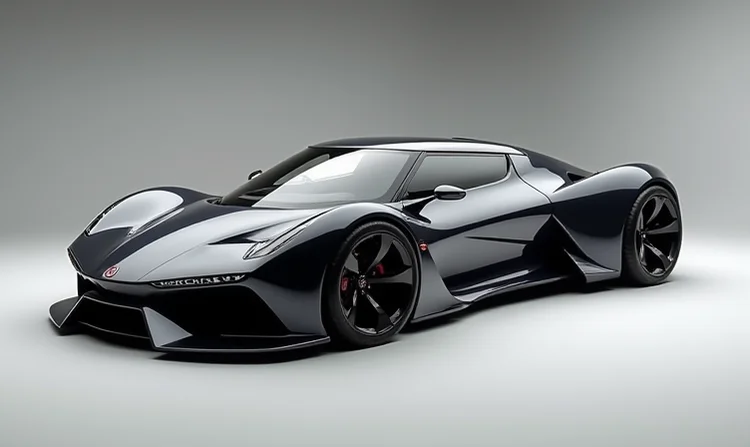
- Active aerodynamics: Systems that automatically change the aerodynamic profile of the car depending on speed, improving handling and fuel economy.
🌐 Improving aerodynamics through technological innovation
Advances in automotive technology have resulted in significant improvements in the aerodynamic properties of cars:
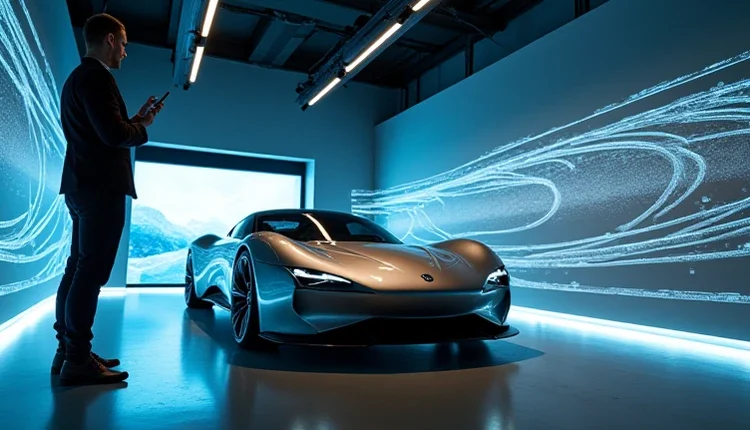
- Aerodynamic testing: Using advanced technologies such as wind tunnels and computer modeling, engineers can optimize the shape of the car for minimal air resistance.
- Adaptive systems: Cars with adaptive systems, such as movable spoilers or adjustable air intakes, automatically change their aerodynamics depending on driving conditions.
🚗 Aerodynamic accessories
Additional accessories can help improve the aerodynamic performance of your vehicle:
- Body kits and spoilers. They not only give the car a sporty look, but also improve downforce and reduce air resistance.
- Specialized tires and wheels. The use of design-optimized tires and lightweight alloy wheels also contributes to improved aerodynamic properties.

🌿 Environmental impact of improved aerodynamics
Improving the aerodynamics of vehicles also helps reduce their environmental impact:
- Reduced fuel consumption: More aerodynamic cars use less fuel, which results in lower carbon dioxide emissions.
- Increasing the driving range of electric vehicles. For electric vehicles, improved aerodynamics help increase the driving range on a single charge.
📈 Table: Comparison of Aerodynamic Technologies
To better understand how different aerodynamic technologies affect a car's performance, consider the following table:
This chart shows how innovations in aerodynamics contribute to improved environmental performance and overall vehicle performance.
🌏 The Impact of Aerodynamics on the Future of Automotive Industry
The automotive industry is constantly looking for new ways to improve aerodynamics to achieve the following goals:
- Sustainability and ecology. Improved aerodynamics lead to lower emissions and better environmental performance of cars.
- Future Innovations: Research in aerodynamics paves the way for more efficient and economical vehicles.
🚀 Advanced Developments in Aerodynamics
Continued innovation in vehicle aerodynamics opens up new horizons for improved performance and fuel economy:
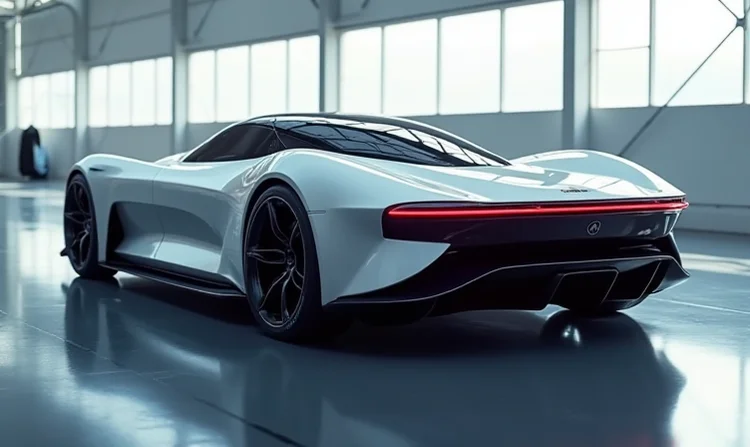
- Active aerodynamics. This technology includes moving body elements that automatically adjust to optimize aerodynamic properties at different driving speeds.
- New materials: Research into new lightweight and strong materials is helping to create more aerodynamically efficient cars.
📚 Training and awareness
Raising awareness and educating drivers about the importance of aerodynamics is also a key aspect:
- Information campaigns: Spreading information about the benefits of aerodynamically optimized cars helps increase demand and interest in such technologies.
- Educational Programs: Educational programs and training for drivers on the efficient use of aerodynamic technologies help reduce overall fuel consumption and emissions.

🌟 Conclusion
Automotive aerodynamic innovations play a vital role in the development of sustainable and efficient automobiles. From active aerodynamics to driver training, these technologies not only help reduce fuel consumption and emissions, but also provide a more comfortable and safer driving experience. Continued innovation in this area promises even greater improvements in the future.
| Technology | Description | Advantages |
|---|---|---|
| Wind tunnels | Use for testing and optimizing body shape | Reducing air resistance |
| Adaptive spoilers | Automatic position change for improved aerodynamics | Improved handling and reduced fuel consumption |
| Body kits and spoilers | Additional body elements | Increased downforce, improved stability |
| Aerodynamic tires | Tires with optimized design | Reduced air resistance, improved fuel economy |
