
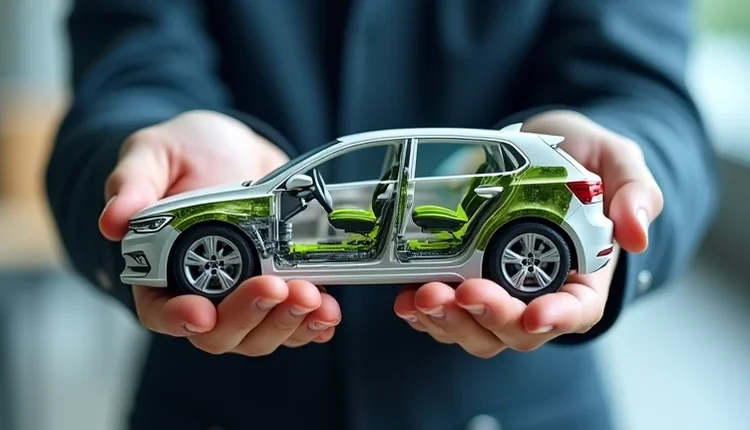
Automotive Innovations to Save Fuel
Fuel economy is a key topic in today's automotive industry. With rising fuel prices and growing concerns about environmental issues, automakers and drivers are actively looking for ways to make cars more efficient and economical. In this article, we will look at the latest automotive innovations aimed at saving fuel and improving energy efficiency.
🚗 Hybrid and Electric Technologies
One of the most significant advances in fuel economy is hybrid and electric vehicles. Hybrid vehicles combine a traditional gasoline engine with an electric motor, which significantly reduces fuel consumption. Electric vehicles eliminate the use of traditional fuels entirely, switching to electric energy. Both technologies reduce carbon dioxide emissions and reduce dependence on petroleum products.
🌱 Eco-friendly fuel systems
Innovations in fuel systems also contribute to reducing fuel consumption. The use of biofuels and synthetic fuels, which are more environmentally friendly, offer an alternative to traditional petroleum products. These fuels can reduce carbon emissions and improve the efficiency of a vehicle’s fuel system.
🛠️ Aerodynamic design and lightweight materials
Another area where significant fuel savings are achieved is through improved aerodynamics and the use of lightweight materials in vehicle construction. Aerodynamic improvements reduce air resistance, which in turn reduces engine load and fuel consumption. The use of lightweight composite materials also helps reduce vehicle weight, which directly impacts fuel efficiency.
📈 Smart Engine Management Technologies
Modern engine management technologies such as start-stop systems and fuel efficiency modes help vehicles use fuel more efficiently. A start-stop system automatically turns off the engine when the vehicle is stopped and quickly restarts it when you want to move on, saving fuel while the vehicle is idle.
🌿 Brake energy recovery
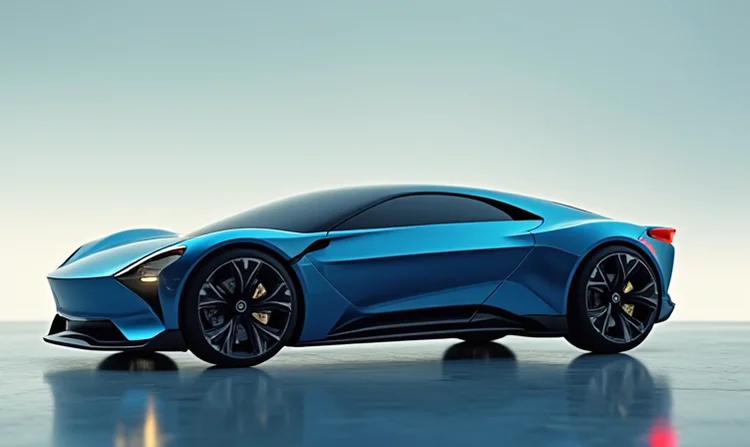
An innovation that is gaining popularity is brake energy recovery systems. This technology allows some of the energy to be returned to the battery when the car brakes or slows down. In hybrid and electric cars, this is especially effective, as it increases the overall range and helps to save fuel.
📊 Intelligent technologies
Modern cars are equipped with various intelligent systems aimed at improving fuel efficiency. These include driver assistance systems that analyze your driving style and offer recommendations on how to optimize it to reduce fuel consumption. In addition, intelligent navigation systems help you choose the most economical routes.
🚀 Development of autonomous technologies
Autonomous or semi- autonomous technologies also play an important role in fuel economy. Cars that can independently adjust their speed and distance from other cars on the road help to drive more smoothly without unnecessary acceleration and braking, which leads to lower fuel consumption.
📱 Fuel consumption monitoring apps
Modern technology allows drivers to use specialized applications to monitor fuel consumption. These applications can analyze driving style, provide recommendations for improving fuel efficiency, and even compare indicators with other drivers. This approach helps drivers to approach driving consciously and reduce fuel consumption.
🛠️ Engine and transmission improvements
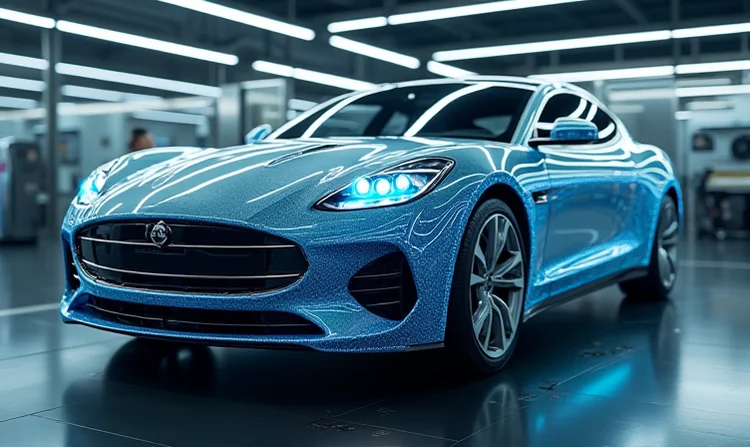
Improvements in engine and transmission design play a significant role in fuel economy. Modern engines are equipped with technologies that improve their efficiency and reduce fuel consumption. Examples of such technologies include turbocharging, direct fuel injection systems, and improved engine management.
Transmissions have also come a long way. Modern automatic and continuously variable transmissions are optimized for improved fuel efficiency, providing smoother, more economical gear shifting.
🌐 Integration with external systems
Integrating vehicles with external systems, such as smart traffic and traffic management systems, can also help save fuel. These systems help optimize urban traffic by reducing idling time in traffic jams and preventing frequent stops and starts that increase fuel consumption.
⚙️ Fuel management systems
Modern cars are equipped with advanced fuel management systems that can analyze and optimize engine performance in real time. These systems can automatically adjust fuel delivery based on factors such as speed, engine load, and driving conditions, ensuring the most efficient use of fuel.
🌟 The Future of Fuel Economy in the Automotive Industry
A look into the future of the automotive industry shows that fuel economy trends will continue to evolve. Research and development in alternative energy sources, such as hydrogen fuel cells, promises to open up new horizons in efficient and environmentally friendly use of cars. Existing technologies will also continue to improve, making cars even more fuel-efficient and affordable to the general public.
📝 Individual settings for fuel economy
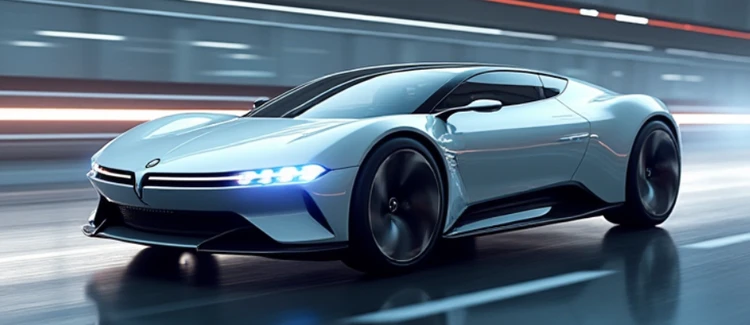
Modern cars offer drivers the ability to customize their systems to improve fuel economy. This may include selecting fuel-efficient driving modes that limit maximum power and speed, thereby optimizing fuel consumption. Such settings are especially useful in urban environments, where frequent stops and starts result in increased fuel consumption.
🌍 Global trends and fuel economy
Global environmental trends and the desire to reduce the carbon footprint are actively influencing the automobile industry. Many countries are introducing regulations to reduce carbon dioxide emissions, which stimulates manufacturers to create more fuel-efficient cars. As a result, fuel economy is becoming not only an economic benefit for drivers, but also an important factor in the sustainable development of the transport industry.
💡 Fuel Saving Tips for Drivers
- Maintain your vehicle: Regular maintenance and keeping your vehicle in good condition helps reduce fuel consumption.
- Optimize your driving style: Avoid sudden acceleration and braking, maintain a steady speed.
- Use fuel-saving modes: Many modern cars offer special modes optimized for fuel economy.
- Reduce weight and air resistance: Avoid unnecessary weight in your vehicle and reduce air resistance, such as by removing unused luggage racks and.
📚 Conclusion
Innovations in the automotive industry are aimed at improving fuel efficiency and reducing environmental impact. From hybrid and electric technologies to intelligent engine management systems, all these innovations make cars more fuel-efficient and environmentally friendly. In the future, we can expect further innovations that will make car travel even more efficient and sustainable. In addition to technological improvements, every driver can contribute by optimizing their driving style and choosing more fuel-efficient cars.
