
Electric Cars and Autonomous Cars: Development Prospects for 2024 🚗⚡🤖
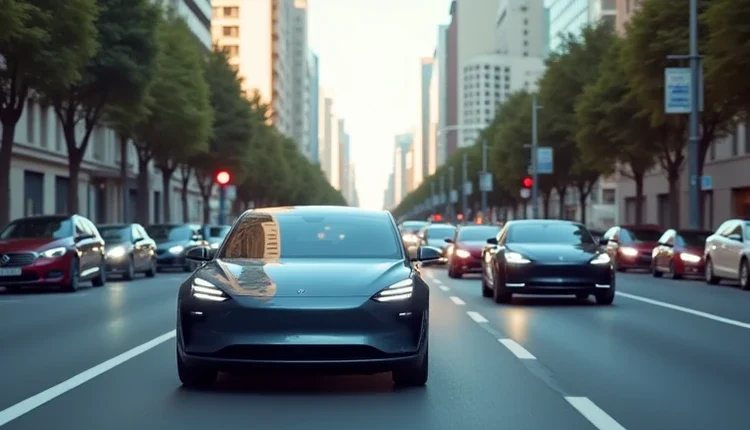
In 2024, the automotive industry is on the brink of revolutionary change. Electric and autonomous vehicles promise to not only revolutionize the way we think about transportation, but also fundamentally change our daily lives. In this article, we look at what innovations these two areas of technology are preparing and how they will affect the future of the automotive industry.
🌿 Electric Cars: Not Just Transport, But Part of the Ecosystem
Improved Batteries and Charging
In 2024, significant improvements in battery technology for electric vehicles are expected. Increasing battery capacity and reducing charging times will be key factors in the popularization of electric vehicles.
Expansion of Charging Station Infrastructure
The development of charging station infrastructure will facilitate the wider distribution of electric vehicles. The introduction of universal charging solutions and increased availability of charging in cities and on highways will significantly simplify the use of electric vehicles.
Environmental Impact
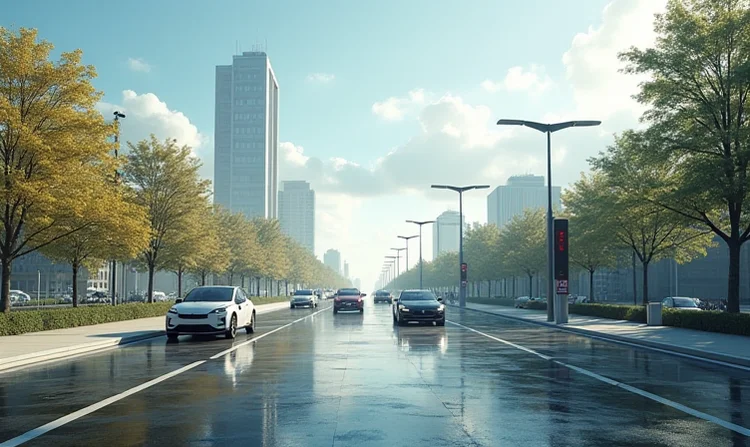
Electric vehicles significantly reduce their environmental footprint, especially when they are charged with renewable energy sources. This makes them an integral part of a sustainable future.
🚀 Autonomous Cars: Safety and Comfort
Improving Security Technologies
Autonomous cars of 2024 promise to be safer, with advanced collision avoidance systems and automatic response to road conditions.
Changing the Perception of Travel
Autonomous cars will change the way we travel by car. From control to entertainment, every aspect of the journey will be reimagined.
Integration with Smart Cities
Autonomous vehicles will become part of a larger ecosystem of smart cities, where every traffic flow will be optimized to reduce congestion and improve traffic efficiency.
🔄 Interaction of Electric Vehicles and Autonomous Technologies
Synergy of Technologies
The combination of electric vehicles and autonomous driving opens up new opportunities for improving environmental friendliness and safety. Cars will become not only a means of transportation, but also active participants in road traffic, capable of making independent decisions in difficult conditions.
Development of Autonomous Transport Networks
The advent of autonomous electric vehicles will create new transport networks where traffic and energy consumption data will be shared in real time, increasing efficiency and reducing the burden on road infrastructure.
🌍 Impact on Ecology and Society
Ecological Aspect
Electric and autonomous vehicles promise to significantly reduce emissions of carbon dioxide and other harmful substances. This will be an important step towards achieving global environmental goals.
Changes in Public Transport
The integration of these technologies into public transport will lead to increased accessibility and comfort of travel, reduced transport costs and improved quality of life in cities.
📈 Economic Prospects
Reducing Operating Costs
The use of electric and autonomous vehicles will reduce fuel and maintenance costs due to fewer moving parts and more efficient use of energy.
Business Opportunities
The industry will offer new opportunities for startups and established companies specializing in the production of autonomous and electric vehicles, as well as the development of software and infrastructure for them.

🚀 Problems and Challenges
Technical Problems
The need to address technical challenges such as improving battery efficiency, improving autonomous driving algorithms and ensuring cybersecurity.
Integration Problems
The challenges of integrating autonomous and electric vehicles into existing infrastructure, especially in regions with outdated or underdeveloped road networks.
🏁 Conclusions
Development Potential
Electric and autonomous vehicles have enormous potential to change the face of the transport industry and facilitate the transition to more sustainable and green transport solutions.
The Importance of Innovation
Innovation in these areas will be key to achieving global environmental goals and improving the quality of life in cities, while creating new economic opportunities.
