
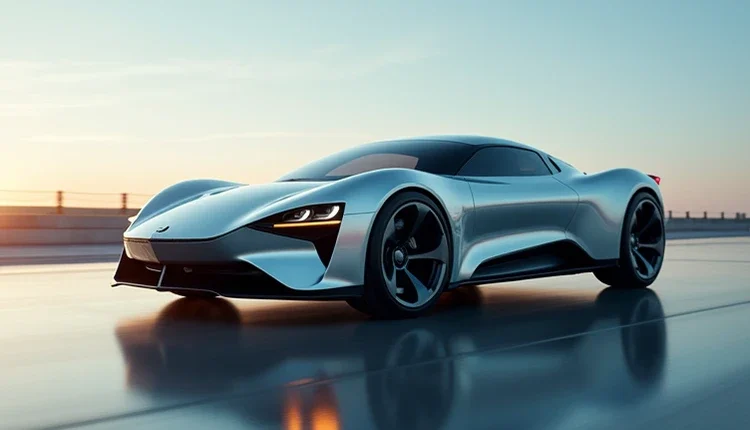
Flying cars: myth or reality?
Flying cars are a concept that may seem like science fiction, but they are now becoming part of our future. With the growing interest in innovative vehicles and the efforts of companies around the world, the idea of a flying car is moving from a dream to a reality. Here are some innovative car accessories that will help you stay on top of the latest trends.
🚀 Technologies that make it possible
Innovation in design and engineering
Flying cars are not just ordinary cars with wings. They are complex engineering systems that combine elements of aviation and automotive technology. The distinctive features of such cars are the ability to take off and land vertically, as well as effective control in the air and on the ground.
Breakthrough in battery technology
Advances in battery technology are key to the creation of flying cars. Modern lithium-ion batteries provide enough power and energy efficiency to lift a car into the air and provide it with long-term flight.
🌍 Ecological aspect
Reducing carbon footprint
Integrating flying cars into urban transport promises to reduce carbon emissions. Most concepts involve electric engines, making them more environmentally friendly than traditional cars.
Sustainable Development Prospects
The introduction of flying cars into the transport system opens up new horizons for sustainable urban planning. They can significantly reduce travel times and reduce the load on road infrastructure, which helps reduce pollution in large cities.
💡 Benefits for users
Changing the concept of mobility
Flying cars could radically change the way we think about personal mobility. Not only do they offer a new way to get around, they promise to make travel faster, more comfortable, and more affordable.
Safety and reliability
Safety issues are one of the key aspects in the development of flying cars. Modern technologies such as automated control and collision avoidance systems increase the safety of such vehicles.
🌐 World trends and projects
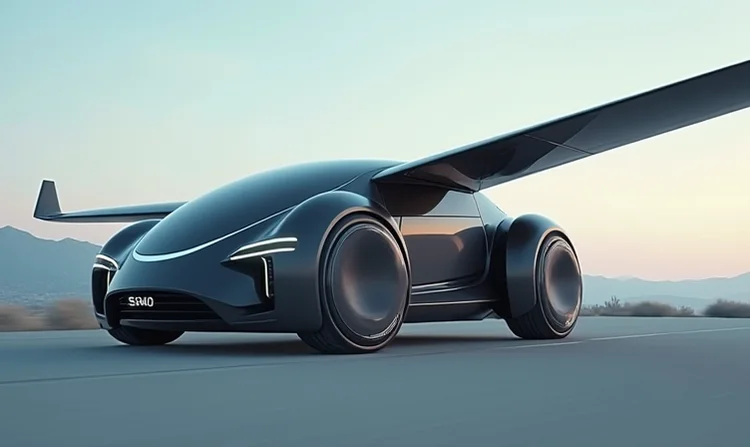
Pioneers of the industry
Leading automotive and technology companies are already investing in the development of flying cars. Projects such as Terrafugia, AeroMobil and others demonstrate the possibilities of integrating aviation technology into everyday life.
Regulation and legislation
One of the main barriers to the commercialization of flying cars is the lack of clear regulation and legislative framework. The issues of airspace management and certification of such vehicles remain open.
🚗 Reality or fantasy Asia?
Technical and financial challenges
Developing flying cars presents significant engineering and financial challenges. Creating reliable, safe, and affordable flying cars requires significant investment and time in research and development.
Impact on society
The introduction of flying cars will require rethinking many aspects of modern life, including urban planning, logistics, and even cultural norms. It could be one of the biggest technological and social upheavals in history.
🛠️ Development and innovation
Cutting-edge research
Many scientists and engineers around the world are working hard to improve the technologies needed to make flying cars a reality. This includes developing more efficient engines, improving aerodynamics, and creating new materials.
Partnerships and cooperation
Developing flying cars requires a collaborative effort between companies, governments and research organizations. Partnerships and collaborations across sectors can accelerate progress and help overcome technical and regulatory hurdles.
🌍 Global Impact
Potential for developing countries
Flying cars could have a significant impact on developing countries by facilitating access to remote areas and improving transport infrastructure. This could contribute to economic growth and social development.
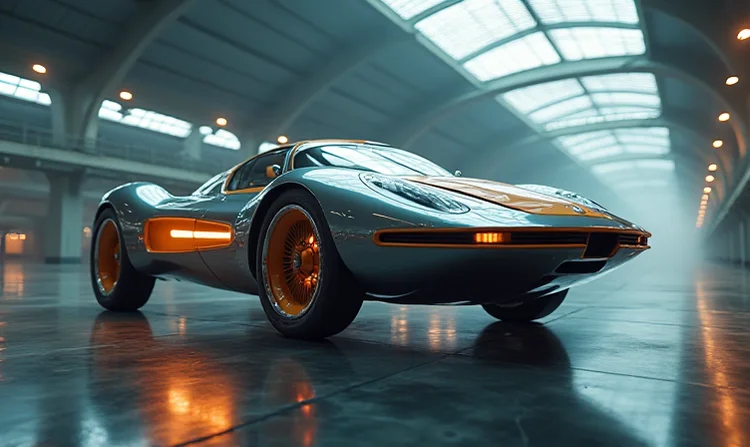
Environmental impact
The environmental impacts of flying cars need to be carefully studied. Their energy efficiency and power sources determine their impact on the environment and climate.
🌏 Regulation and legislation
Regulatory framework
Making flying cars efficient and safe will require new legislation and regulation. This includes air traffic rules, safety standards and liability rules.
International cooperation
International cooperation will be needed to develop common standards and regulations. This will help harmonize technical and legislative aspects in different countries and ensure the safe use of flying cars at the global level.
🚀 The Future of Technology
Integration with existing infrastructure
Flying cars must be integrated with existing transport infrastructure. This includes the creation of new helipads, air traffic control systems and service centers.
The Role of Artificial Intelligence
Artificial intelligence and machine learning will play a key role in the development and operation of flying cars. They will help automate flight control, improve safety, and optimize routes.
🌟 Conclusion
Reality or fantasy Asia?
Flying cars no longer seem like a distant dream. With advances in technology and growing interest in innovation in transportation, they are becoming an increasingly realistic vision of the future. However, many questions remain about safety, regulation, and environmental impact before they can be fully implemented.
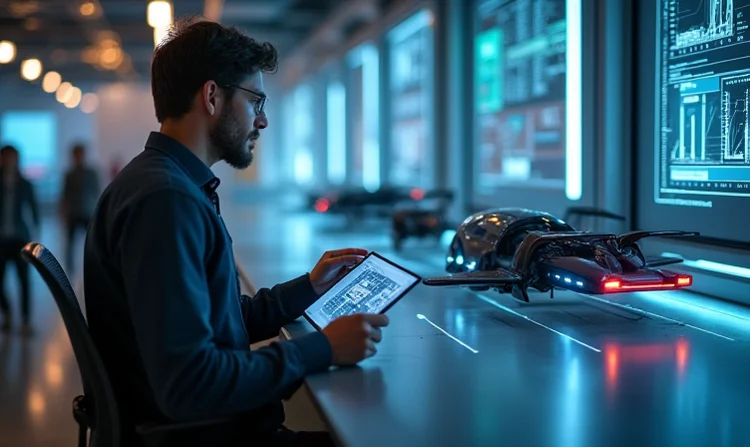
The way forward
The road to flying cars will be complex and require a collaborative effort between developers, policymakers, and the public. But with the right approach and a focus on safety and sustainability, flying cars could usher in a new era of transportation.
