
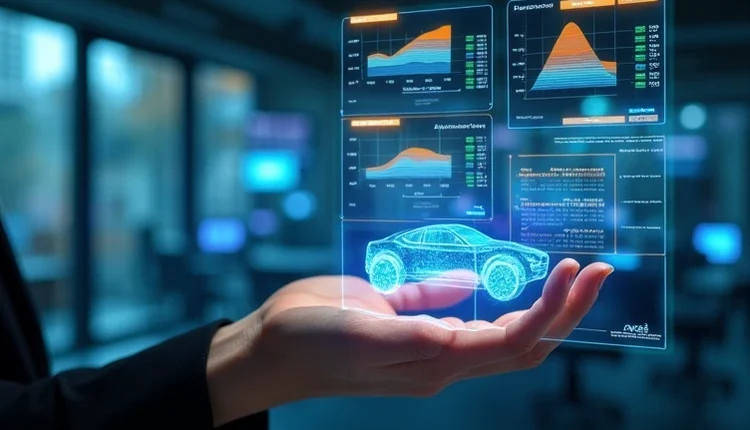
Autonomous Cars and Insurance Rates: The Future is on the Road 🚗🔍
Autonomous cars are no longer just science fiction, they are becoming reality. Their arrival promises to radically change the world of car insurance. Let's figure out how.
Changes in insurance due to autonomous cars 🔄💼
Reducing risks and reducing insurance premiums
- Safety: With the advent of autonomous technology, the number of accidents will decrease, which will lead to lower insurance premiums.
- Technology: Improvements in technology will allow insurance companies to more accurately assess risks.
New factors for determining the cost of insurance
- Technical condition of the vehicle: The degree of autonomy and the technical condition of the system will affect the cost of insurance.
- Software: Software updates and support will also be important factors.
Transfer of responsibility from the driver to the manufacturer
- Manufacturer's liability: In the event of a system failure, liability may shift from the driver to the vehicle manufacturer.
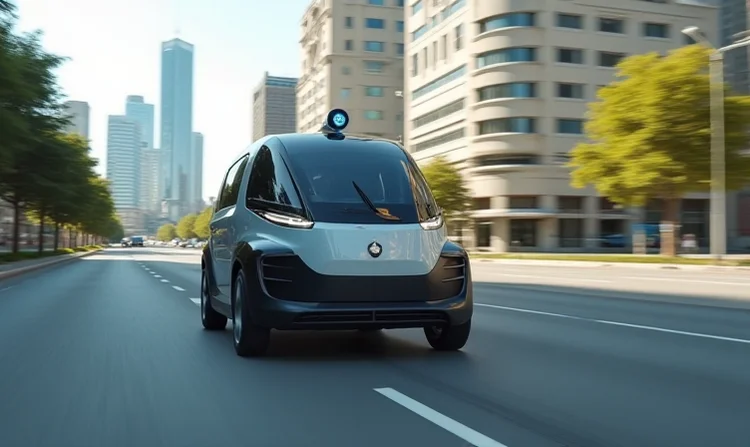
How to adapt to new realities? 🌟🛣️
For insurance companies
- Technology Research: New technologies need to be researched in depth to adequately assess the risks.
- Flexibility: It is important to be prepared for changes in legislation and insurance products.
For drivers and car owners
- Awareness: It is important to stay up to date with changes in insurance and technology.
- Choosing an insurer: You need to carefully approach the choice of an insurance company, focusing on their experience working with autonomous cars.
The Future of Car Insurance
- Personalization: New data about driving and vehicle behavior will enable the creation of personalized insurance products.
- Technology Integration: Insurance companies will integrate with automotive and technology companies to collect data and analyze risks.
Impact on legislation and regulation 📜🚘
New laws and standards
- Legislative initiatives: The need to adapt laws to new technologies. For example, changes to traffic regulations and safety standards.
- Technology Standardization: Creating uniform standards for autonomous vehicles internationally.
The role of governments
- Support for innovation: Government support for research and development in the field of autonomous technologies.
- Safety and efficiency: Governments must ensure that new technologies improveroad safety and efficiency.
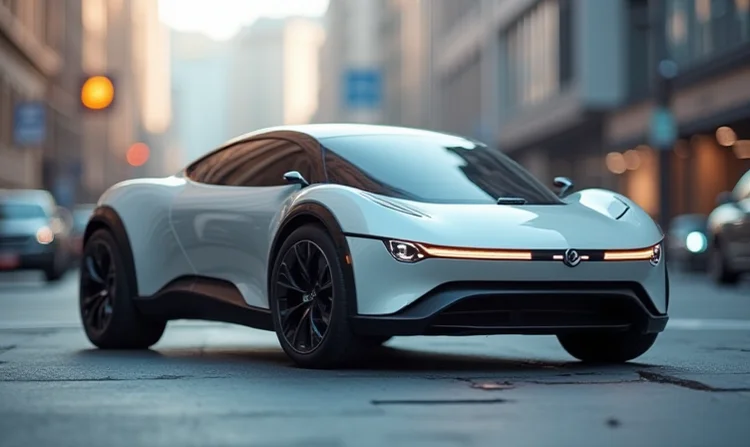
Prospects for autonomous cars 🌐🚗
Impact on public transport
- Integration with urban infrastructure: Autonomous vehicles can be integrated into public transport systems, increasing their efficiency.
- Accessibility: Increasing accessibility of transport for people with disabilities and older people.
Ecological aspect
- Reduced Emissions: Using autonomous electric vehicles helps reduce carbon dioxide emissions.
- Reduced congestion: More efficient traffic management reduces the time spent stuck in traffic jams.
Business Opportunities
- New business models: For example, the development of car sharing services with autonomous cars.
- Partnerships: Insurance companies partner with car manufacturers to develop new insurance products.
Ethical and social aspects of autonomous cars 🤖🚗
Ethical dilemmas
- Decision Programming: How to program cars to make decisions in critical situations? What ethical principles should be embedded in algorithms?
- Accident Liability: Who Will Be Liable in the Event of Accidents Involving Autonomous Cars?
Impact on the labor market
- Job losses: Taxi and truck drivers could lose their jobs due to automation.
- New professions: The emergence of new professions related to the maintenance and management of autonomous vehicles.
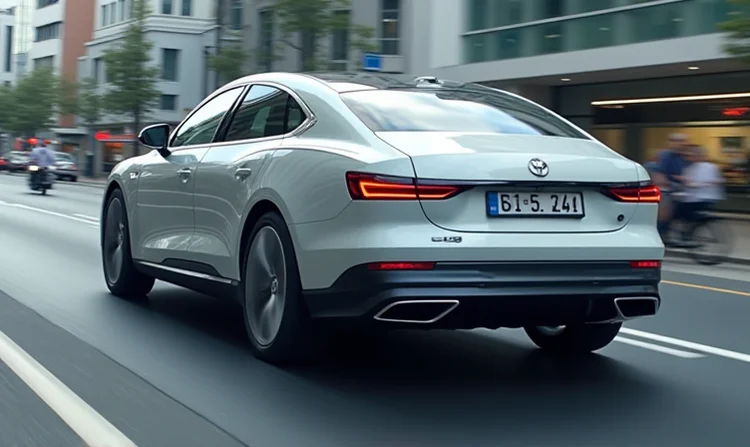
The future of autonomous cars 🚀🌌
Technological innovations
- AI Advancement: Continuously evolving artificial intelligence to improve the safety and efficiency of autonomous vehicles.
- IoT Integration: Interaction of autonomous vehicles with other devices and systems via the Internet of Things.
Forecasts and challenges
- Scaling up production: Moving from test models to mass production of autonomous vehicles.
- Public Perception: Overcoming public doubts and concerns about the safety of autonomous vehicles.
Contribution to sustainable development
- Reducing traffic problems: Reducing the number of accidents, improving traffic flow.
- Positive impact on the environment: Less air pollution and reduced noise levels.
