
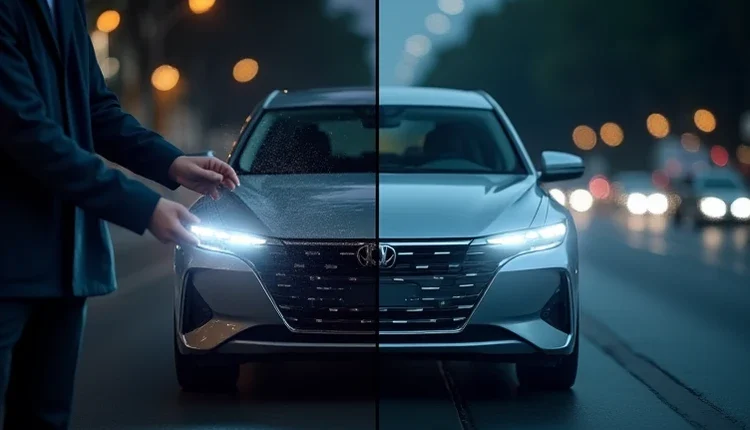
Automotive Innovations to Improve Lighting
A vehicle's lighting system plays a critical role in road safety. Modern lighting technologies, including headlights and LEDs, offer improved illumination and increased safety.
🚗 The Importance of the Lighting System in a Car
A quality lighting system provides better visibility for the driver and helps other road users notice the car. This is especially important in poor visibility conditions, such as at night or in bad weather.
🌟 Innovations in car lighting systems
Choose accessories to enhance your vehicle's lighting here and take advantage of the following innovations:
- LED Headlights: Provide bright, efficient lighting and have a long lifespan.
- Adaptive lighting systems: Automatically adjust the angle and intensity of the headlights depending on driving conditions.
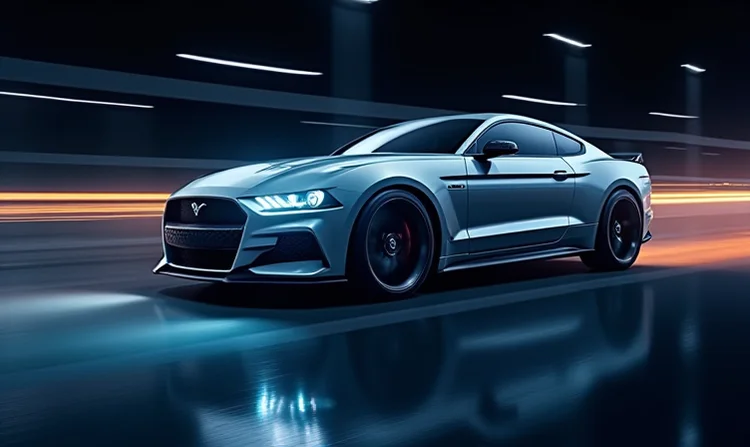
🛠 Intelligent Lighting Control Systems
Intelligent lighting control systems are able to automatically adapt to changes in the environment. They can turn the headlights on and off, switch between low and high beams, and even change the intensity of the lighting depending on driving conditions.
🔄 Integration with other security systems
Modern lighting systems are often integrated with other vehicle safety systems, such as lane departure warning systems or traffic sign recognition systems. This provides a comprehensive approach to driving safety.
🚀 Development of laser lighting technologies
Laser lighting is a cutting-edge technology in automotive lighting systems. Laser headlights provide a particularly bright and concentrated light output, significantly improving visibility over long distances. They also consume less energy and have a longer service life than traditional headlights.
- Advantages of laser lighting: Better visibility and energy efficiency.
- Application in high-end cars: Currently, it is most often used in premium car models.
📱 Smart lighting control via mobile apps
Mobile apps are starting to play a significant role in controlling car lighting systems. Drivers can use apps to adjust lighting intensity and modes, as well as remotely control headlights, which is especially convenient in the dark.
- Remote Headlight Control: Turn headlights on and off remotely for convenience and safety.
- Customizable lighting modes: Individual settings for different driving conditions.
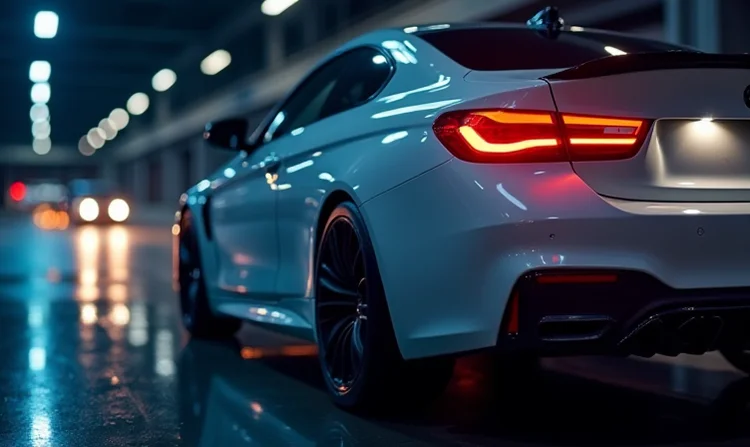
🌐 Integration with autonomous driving systems
Car lighting systems are integrating with autonomous driving technologies. Adaptive lighting can synchronize with sensors and cameras of autonomous systems, providing optimal illumination of the road and increasing driving safety.
- Synchronisation with autonomous driving sensors: To optimise lighting depending on the driving situation.
- Improving the safety of autonomous vehicles: Through optimized lighting and visualization of road conditions.
🏁 Conclusion: The Future of Automotive Lighting Systems
The future of automotive lighting systems promises to be even more innovative and integrated. The development of technologies such as laser lighting, smart control and integration with autonomous driving systems will contribute to improving safety and driving comfort in various road conditions.
🌟 Personalization and adaptability in lighting systems
Modern lighting technologies provide the ability to personalize and adapt light to driver preferences and traffic conditions. Intelligent lighting systems can automatically adjust the brightness and direction of light, improving visibility and driving comfort.
- Personalized Lighting Settings: Allows drivers to select their preferred light modes and intensity.
- Adaptive road lighting: Automatically changes lighting settings depending on weather, time of day and road conditions.
🚗 Development of OLED technologies in automotive lighting
OLED technology is beginning to be actively used in the automotive industry, offering new opportunities for lighting design and functionality. OLED lamps are characterized by high efficiency, uniform light distribution and the ability to create unique lighting effects.
- Advantages of OLED lighting: More uniform light distribution and low energy consumption.
- Innovative design: Allows you to create unique lighting effects and improves the appearance of your car.
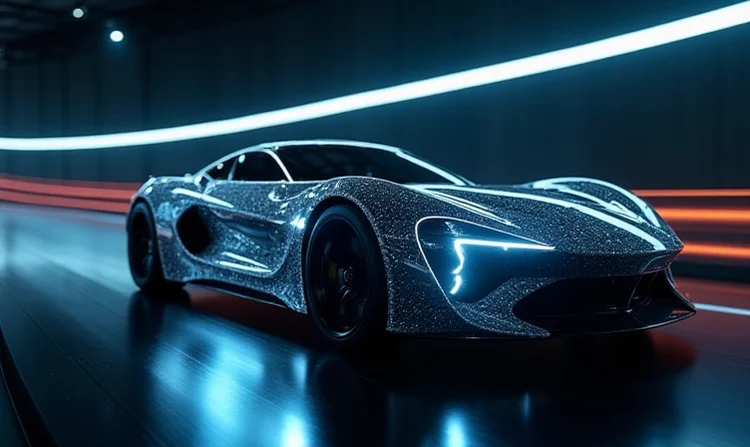
🌐 Impact on ecology and energy efficiency
Energy efficiency and environmental impact are becoming key factors in the development of automotive lighting systems. LED and OLED technologies significantly reduce energy consumption and extend the life of lighting systems, which helps reduce the environmental impact of cars.
- Reduced energy consumption: Reduces the environmental impact of vehicles.
- Long life of lighting elements: Reduces the need for frequent replacement and reduces waste.
🏁 Conclusion: Innovations in lighting systems as an important element of safety and style
Innovations in automotive lighting systems will continue to play a vital role in ensuring safety, efficiency and style. The development of LED and OLED technologies, integration with intelligent control systems and consideration of environmental aspects promise to bring new improvements to automotive lighting systems in the near future.
🛠 Integration of lighting systems with digital technologies
The integration of automotive mobile lighting systems with digital technologies and interfaces presents new opportunities for innovation. Digital lighting control allows drivers to adjust and control lighting systems via a smartphone or the vehicle’s digital control panel.
- Digital Lighting Control: Allows you to customize lighting settings via apps or built-in control systems.
- Interactive Lighting Features: Includes dynamic turn indicators, interactive interior lighting and other innovative features.
🌟 Improved safety thanks to modern lighting technologies
Modern lighting technologies such as dynamic headlights and adaptive lighting play a key role in improving road safety. These systems provide better road illumination and increase visual information for the driver, which is especially important in low visibility conditions.
- Dynamic headlights: Automatically adapt to road and traffic conditions, improving visibility without dazzling oncoming drivers.
- Adaptive lighting: Changes the intensity and direction of the light depending on the situation on the road.
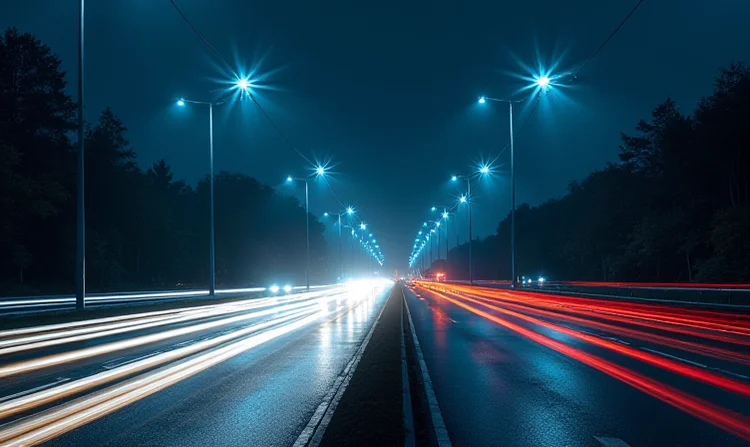
🚀 Trends and Future of Automotive Mobile Lighting
Automotive lighting trends point to further integration with digital and autonomous technologies, as well as the creation of more intelligent and adaptive lighting systems. The future of automotive lighting will focus on improving safety, comfort and aesthetics.
- Innovative lighting solutions: Aimed at creating more efficient and adaptive lighting systems.
- Integration with autonomous driving: Development of lighting systems that will synchronize with autonomous driving systems.
🏁 Conclusion: Continuous development of automotive mobile lighting technologies
Innovations in automotive lighting technologies are opening up new possibilities to enhance safety, comfort and driving style. From OLED and LED technologies to intelligent and adaptive systems, automotive lighting continues to evolve to meet the future needs of drivers and trends in the automotive industry.
