
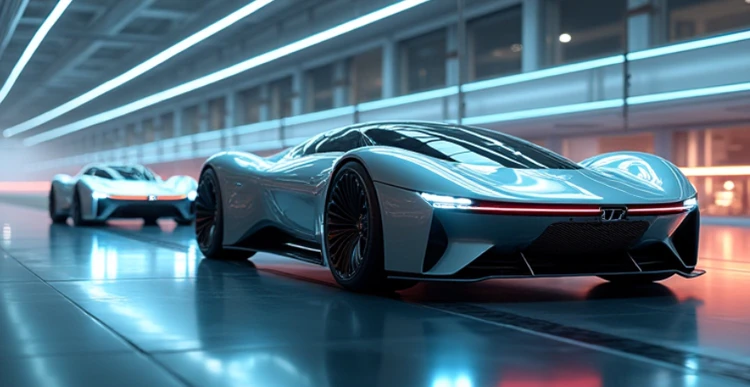
🚗 Cars of the Future: What Technologies Await Us?
The automotive industry is constantly evolving, introducing innovations that will change the way we think about driving. Let's look at the key innovations that will shape the cars of the future.
🚀 Autonomous Driving: Revolution on the Roads
Autonomous driving systems are becoming more advanced, promising to make driving safer and more convenient.
- Levels of Autonomy: From partially automated systems to fully autonomous vehicles.
- Safety: Reducing the number of road accidents by eliminating the human factor.
- Travel Comfort: The ability to relax or do business while traveling.
⚡ Alternative Fuel: A Step Towards Ecology
Using alternative energy sources in vehicles reduces dependence on fossil fuels and reduces the ecological footprint.
- Electric Cars: More Affordable and Efficient Thanks to Improved Batteries.
- Hydrogen Fuel Cells: Provide long range and fast refueling.
🌐 Integration with the Internet of Things
The integration of cars with the Internet of Things opens up new possibilities for the interaction of the car with the surrounding world.
- Smart Roads: Interaction with road infrastructure to optimize traffic.
- Personalization of Settings: Cars will adapt to the individual driver's preferences.
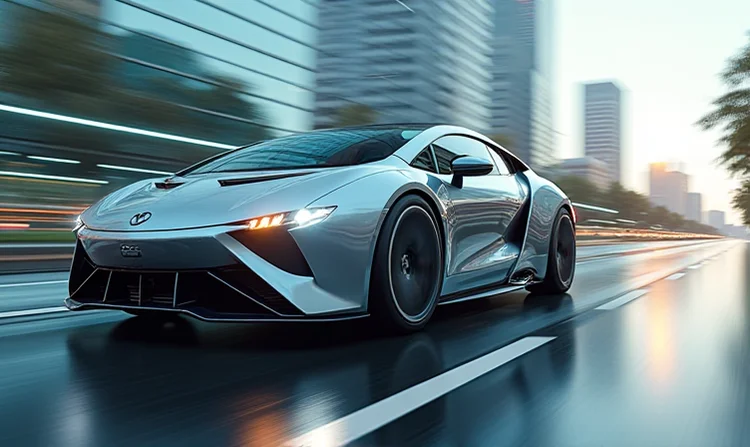
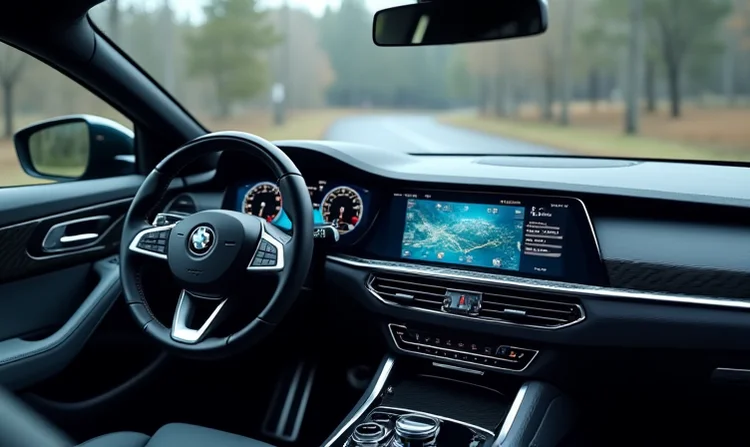
📱 Innovative Interfaces and Control Systems
Vehicle control interfaces will become even more intuitive and multifunctional.
- Voice Control: Full integration with voice assistants to control vehicle functions.
- Augmented Reality: Headlamps and windshield displaying important information and navigation.
🔄 Sustainable Production and Recycling
With increasing attention to the environment, automakers are focusing on sustainable production methods and recycling options.
- Eco-Friendly Materials: Using recycled and biodegradable materials in cars.
- Automobile Recycling: Development of methods for efficient recycling of automobile components.
📊 Impact on the Economy
Cars of the future have a significant impact on the economy, from creating new jobs to changing the landscape of urban spaces.
- Creation of New Jobs: Due to the development of new technologies and services.
- Changes in Urban Infrastructure: Adapting Cities to New Modes of Transport.
🌿 Environmental Impact
Awareness of environmental responsibility leads to the development of vehicles that have a smaller impact on the environment.
- Reduced Emissions: Electric and hybrid vehicles significantly reduce pollution levels.
- Resource Efficiency: Improvedrecycling and material utilization technologies.
🔄 Software Updates and Adaptability
The ability of vehicles to adapt to changing conditions and user needs through software updates.
- Constant Updates: Ability to update vehicle systems and functions via the Internet.
- Personalized Experience: Cars that “learn” and adapt to the owner’s preferences and driving style.
🚗 Cars As A Service
Rethinking car ownership: from individual ownership to cars as a service.
- Car Sharing and Subscription: Short-term car rental services or car service subscriptions.
- Integration with City Services: Interaction with city infrastructure to optimize traffic and parking.
🌎 Global Forecasts and Changes
Forecasting global trends and changes in the automotive industry related to new technologies and the needs of society.
- Changes in Legislation: Adoption of new laws and regulations governing the use of autonomous and electric vehicles.
- Global Trends: Tracking global trends and their impact on the automotive market.
🛠️ Technical Changes and Innovations
Developing new technologies that will change the way cars operate and service in the future.
- Advanced Diagnostic Capabilities: Self-diagnostic and maintenance alert systems.
- Advanced Materials: Use of lightweight and durable materials to increase efficiency and safety.
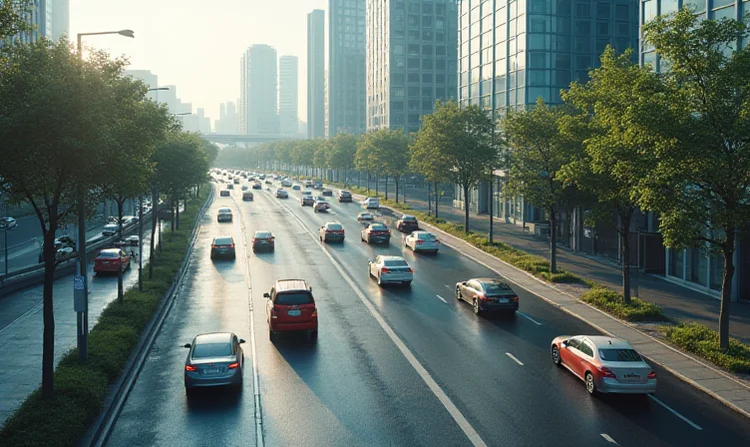
🌐 Interaction with Urban Infrastructure
Integrating vehicles with urban infrastructure to optimize traffic and improve safety.
- Smart Cities: Cars that interact with road signs, traffic lights and other vehicles to reduce congestion and prevent accidents.
- Wireless Charging: Advances in wireless charging technologies that allow electric vehicles to be charged while driving.
🔄 Sustainable Production and Recycling
Increased emphasis on environmentally friendly production and the possibility of recycling cars.
- Clean Production: Using sustainable production methods and renewable energy sources.
- Full Life Cycle of a Car: Designing cars to be fully recyclable and recyclable.
🚀 Future Technologies: Looking Ahead
Summary and prospects for the future development of the automobile industry.
- Innovation and Progress: Focus on continuous development and implementation of innovative technologies.
- Adapting to a Changing World: The flexibility and ability of the automotive industry to adapt to the changing needs of society and the environment.
🏁 Conclusion
Conclusions about the Future of the Automotive Industry
- Innovation and Sustainability: Innovations aimed at improving the sustainability and environmental friendliness of the automotive industrywill be key
- Integration with Technology and Infrastructure: Close integration of cars with urban infrastructure and advanced technologies will change the face of urban roads.
- Safety and Comfort: Improving safety anddriving comfort will be one of the main priorities of the developers.
- Environmental Aspect: Increasing the share of electric and hybrid vehicles in the vehicle fleet, as well as an emphasis on environmental sustainability of production and operation.
- Market Transformation: The automobile market will undergo significant changes driven by new technologies and consumer demands.
The automotive industry is constantly evolving, and it is important to keep up with new trends and technologies to stay ahead of the changes that are shaping the future of driving.
