
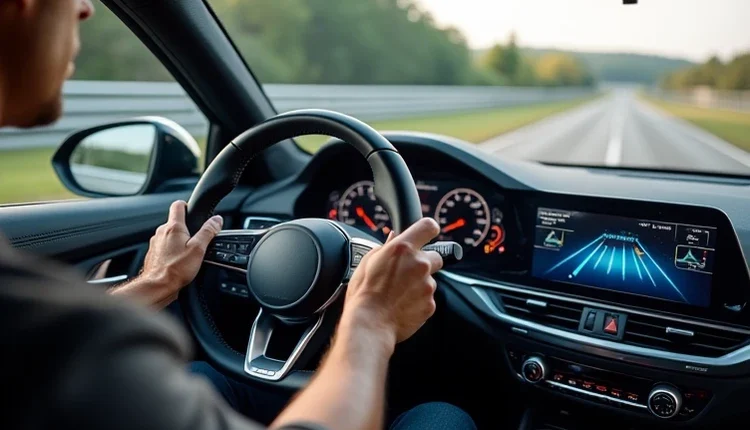
Technologies to improve vehicle handling
Car controllability is a key aspect of safe and comfortable driving. Modern car technologies offer many solutions to improve car control, increase its stability and maneuverability on the road.
🚗 The Importance of Car Handling
The controllability of a car affects not only the comfort of driving, but also the safety of passengers and other road users. Improved controllability helps to better control the car in various road conditions.
🌟 Modern technologies for improved controllability
Choose accessories to improve the handling of your vehicle here and take advantage of the latest advances in automotive technology:
- Stability systems: Help maintain control of the vehicle on slippery roads and during abrupt maneuvers.
- Electronic suspension control systems: Adapt suspension characteristics to road conditions and driving style.

🛠 Innovations in steering systems
Innovations in steering systems such as electronic power steering and adaptive steering systems provide better response and steering precision, making driving more intuitive and comfortable.
🔄 Adaptive control technologies
Adaptive control technologies automatically adjust vehicle parameters based on speed, driving style and road conditions, improving vehicle maneuverability and stability.
🏁 Driving assistance systems
Modern cars are equipped with driving assistance systems that provide additional safety and convenience. These systems include adaptive cruise control, collision avoidance systems and parking assistance, making driving more relaxed and safe.
- Adaptive Cruise Control: Automatically maintains a safe distance from the vehicle in front.
- Collision avoidance systems: Warns the driver of potential obstacles on the road.
🌐 Intelligent suspension systems
Intelligent suspension systems automatically adapt the suspension stiffness to current driving conditions, providing maximum comfort and vehicle stability. They are able to instantly respond to changes in the road surface, improving controllability.
- Adaptive suspension: Improves comfort and handling on different types of road surfaces.
- Active suspension control systems: Dynamically change settings for optimum performance.
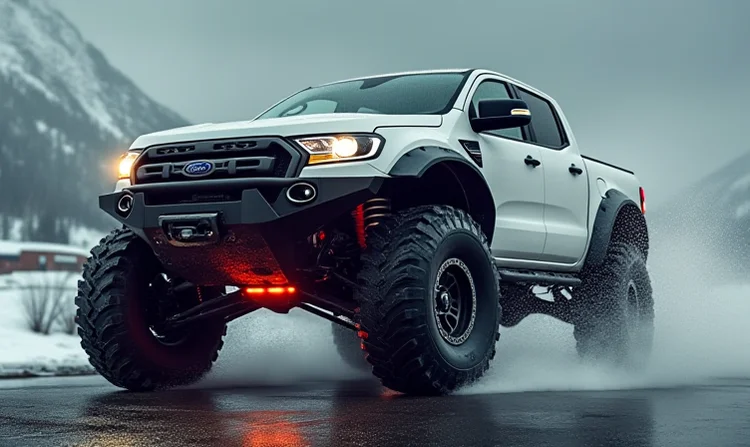
📡 Traction and stabilization control systems
Traction and stability control systems help prevent wheel slippage and loss of vehicle control, especially in adverse weather conditions or on slippery roads. They automatically adjust engine power and braking force to maintain vehicle stability.
- Traction control systems: Prevent wheel slip during acceleration.
- Electronic stabilization systems: Help maintain vehicle control in extreme conditions.
🚀 Vehicle Dynamics Enhancement Technologies
Modern automotive technologies improve the dynamics of a car, making it more responsive and easier to drive. This includes systems that improve acceleration, braking, and overall vehicle performance.
- Electronic engine management systems: Optimise engine performance to ensure better dynamics.
- Anti-lock brake systems (ABS): Prevents wheels from locking when braking, providing more effective braking.
🛠 Innovations in steering
Advances in steering technologies, including electronic power steering and adaptive steering systems, provide more precise and comfortable control over the vehicle. These systems provide improved steering response to driver input and adapt to various driving conditions.
- Electronic Power Steering: Provides easy steering at low speeds and more precise response at high speeds.
- Adaptive steering systems: Automatically adjust the steering angle of the wheels depending on the speed.
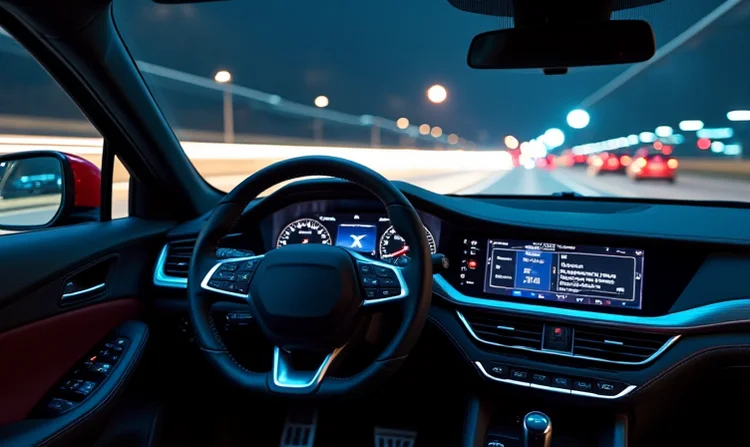
🌐 Automated driving systems
Automated driving systems, including semi-autonomous and autonomous features, help improve vehicle handling. These systems may include automatic lane keeping, adaptive cruise control, and automatic braking.
- Semi-autonomous functions: Assist the driver in driving, improving safety and comfort.
- Autonomous technologies: Aim for complete control over the vehicle's operation while minimizing driver intervention.
📱 Integration with advanced technologies
Integrating cars with advanced technologies such as IoT (Internet of Things) and AI (Artificial Intelligence) allows data to be collected and analyzed to optimize handling. These technologies help the car adapt to external conditions and driver behavior, improving the driving experience.
- Driving style data analysis: The car adapts to the individual characteristics of the driver.
- Reaction to external conditions: Automatic adjustment of vehicle systems depending on weather and road conditions.
🚗 Development of chassis control systems
Chassis control systems such as electronic dynamic control systems and adaptive suspension systems improve vehicle handling, increasing stability and agility. This ensures a smoother, safer drive, especially at high speeds and in difficult road conditions.
- Electronic Chassis Control: Increases vehicle stability on the road.
- Adaptive suspension systems: Automatically adapt to road conditions to provide optimum comfort and control.

🏁 Conclusion: Improved handling for safe driving
Technologies that improve vehicle handling play a key role in ensuring safe and comfortable driving. From adaptive suspension systems to intelligent chassis control, modern cars are equipped with a range of innovations that improve driving efficiency and safety. The introduction of these technologies allows drivers to feel more confident on the road and enjoy every trip.
