Technologies to improve car navigation system
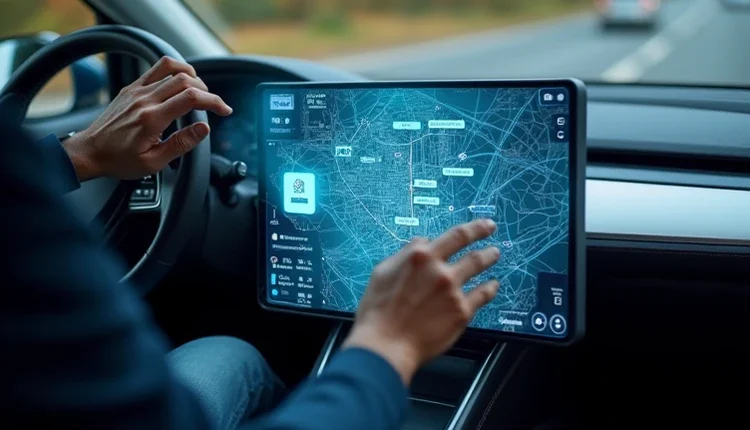
Navigation systems play a key role in modern cars, helping drivers get to their destinations efficiently and safely. As technology advances, navigation systems are becoming more intelligent and user-friendly.
🚗 The Importance of a Navigation System in a Car
The navigation system not only helps drivers navigate the roads, but also helps improve driving safety by providing up-to-date information on road conditions, traffic jams and hazards along the route.
🌟 Innovations in Automotive Mobile Navigation Systems
Choose accessories to enhance your car navigation here and discover the latest technological advances in this area:
- Integration with GPS and geolocation data: Modern systems use satellite data to accurately determine location.
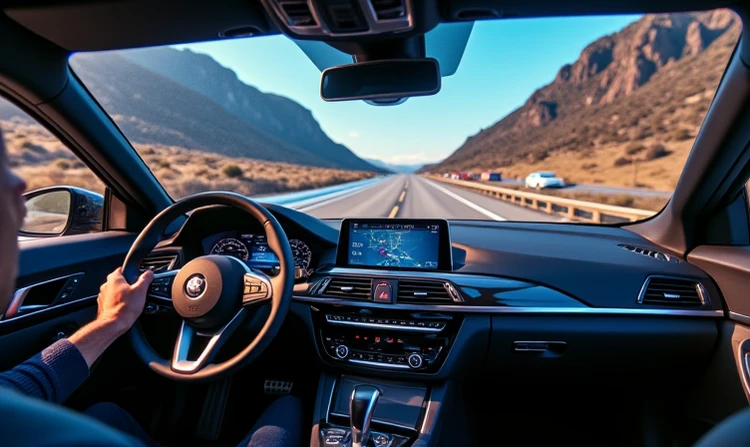
- Augmented Reality and 3D Maps: Augmented reality navigation systems project information directly onto the windshield, allowing drivers to focus on the road.
🛠 Adaptive navigation systems
Adaptive navigation systems can learn from your driving habits and frequently used routes. They offer optimized routes based on the current time of day, weather conditions, and traffic conditions.
🔄 Integration with other vehicle systems
Modern navigation systems are integrated with other vehicle functions such as safety systems, rear view cameras and parking sensors. This ensures safer and more comfortable driving.
📡 Real time and dynamic route updates
One of the key features of modern navigation systems is the ability to update routes in real time. This allows drivers to avoid traffic jams, closed roads and other road obstacles, saving time and fuel.
- Traffic jams and road works information: The system provides up-to-date data on the traffic situation.
- Automatic route re-planning: If obstacles arise on the road, the system suggests alternative routes.
📱 Integration with mobile devices and applications
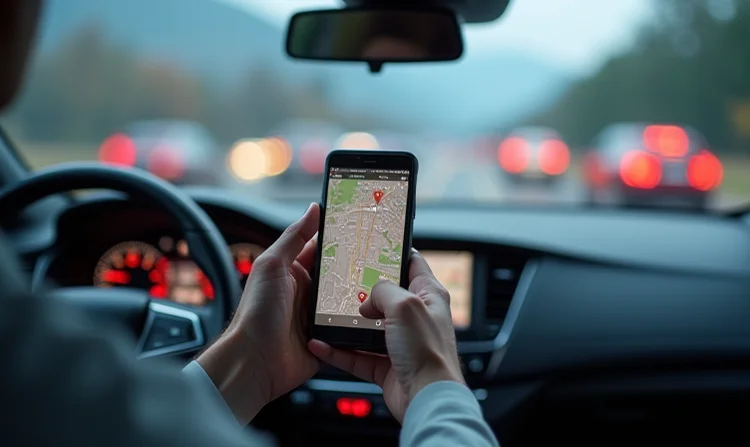
Modern navigation systems integrate tightly with mobile devices and apps. This allows you to use smartphones to control navigation, as well as synchronize personal data such as contacts and calendars with the car's navigation system.
- Calendar Sync: Automatically create routes based on upcoming calendar appointments.
- Voice control: Ability to control navigation with voice commands via your smartphone.
🗺 Detailed and multifunctional maps
Navigation systems today offer much more than just maps and directions. They include information about gas stations, restaurants, hotels, and other important points of interest along the route. Some systems even provide ratings and reviews of these places.
- Points of Interest (POI): Provides information about nearby service locations, cultural sites and attractions.
- User reviews and ratings: Help you choose the best places to stop along the way.
🌐 Global Compatibility and Multilingualism
For international and cross-border travel, modern navigation systems offer maps and information in multiple languages. This makes navigation more convenient for drivers traveling abroad.
- Multilingual support: Access navigation instructions and information in multiple languages.
- International Maps: Maps and routes are available for most countries and regions of the world.
🚦 Integration with vehicle security systems
Modern navigation systems integrate with a variety of vehicle safety systems, including adaptive cruise control, collision warning systems, and blind spot sensors. This integration allows the system to provide more accurate warnings and recommendations based on current road conditions.
- Integrated Warnings: The navigation system can warn you of potential road hazards, improving driving safety.
- Adaptation to road conditions: Navigation can recommend route changes depending on the traffic situation.
🛰 Using artificial intelligence and machine learning
Artificial intelligence and machine learning technologies are increasingly being used in navigation systems to analyze large amounts of data and provide more accurate and personalized routes. Systems can analyze past trips, driving habits, and even driving style to optimize routes.
- Personalized routes: Navigation suggests routes optimized for individual driver preferences and habits.
- Traffic Prediction: AI can analyze historical traffic data to predict and avoid congestion.

📊 Analytics and trip reports
Some navigation systems provide detailed trip reports, including information on distance traveled, travel time, and fuel consumption. This data can be useful for planning future trips and optimizing routes.
- Trip Tracking: Analyze your trips to improve planning and driving efficiency.
- Fuel Economy: Use data to choose the most fuel-efficient routes.
🏁 Conclusion: The Future of Automotive Mobile Navigation
Navigation technologies continue to evolve, offering more advanced, convenient, and safe ways to navigate the roads. From integration with artificial intelligence to synchronization with mobile apps and cloud services, modern navigation systems make car travel more comfortable and safer.
🌐 Global network and real-time map updates
Modern navigation systems are connected to the global network, providing constant updating of maps and road information. This allows drivers to receive the most up-to-date data on the traffic situation, road construction, changes in road markings and much more.
- Continuous map updates: Ensures drivers have the latest road information.
- Temporary Change Alerts: Helps you avoid construction zones and temporary road restrictions.
🎙 Voice control and interactivity
Voice commands are becoming standard in modern navigation systems, allowing drivers to focus on the road while still controlling navigation. Voice control simplifies the task of entering addresses and searching for points of interest.
- Voice command convenience: Drivers can enter addresses or search for locations without taking their eyes off the road.
- Interactive feedback: The system can ask clarifying questions to more accurately execute commands.
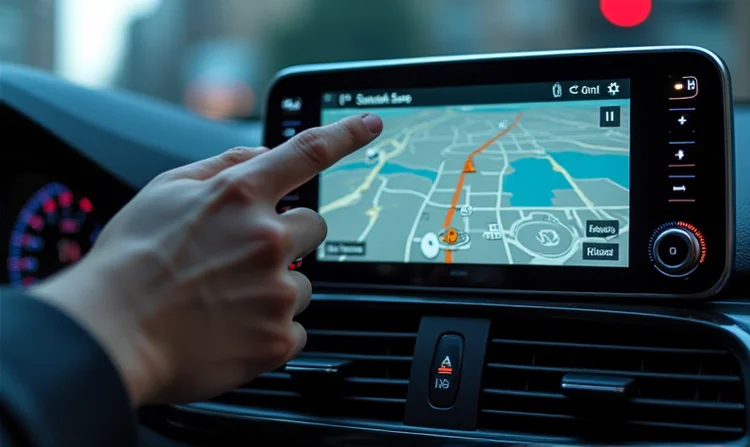
📲 Compatibility with various operating systems
Modern navigation systems are compatible with various mobile operating systems, such as Android and iOS. This ensures seamless integration of smartphones with the navigation system, allowing you to use your favorite applications and services.
- Integration with iOS and Android: Allows you to use popular navigation and information applications.
- Sync with mobile devices: Provides access to contacts, music and other smartphone features.
🏞 Advanced features for travelers
For travel enthusiasts, modern navigation systems offer advanced features, including information about local attractions, hotel and restaurant recommendations, and integration with travel apps.
- Travel Tips: Provides information about nearby attractions and places of interest.
- Route planning: Helps you create an optimal route that includes your desired destinations.
🛠 Personalization and adaptation of navigation systems
Modern navigation systems offer personalization and adaptation to the driver's individual preferences. This includes the ability to save frequently used routes, customize the interface and search preferences. Such systems can automatically adapt to the driver's habits, offering the most suitable routes.
- Saving your favorite routes and addresses: Speeds up the process of entering and selecting destinations.
- Individual interface settings: Allows you to customize the appearance and functions of the system to suit your personal preferences.
🌍 Virtual assistant for navigation
Integrating virtual assistants into navigation systems provides a new level of interaction and convenience. Assistants can help with route planning, provide weather information, and even answer questions while driving.
- Voice Search and Control: Provides information and executes commands through simple voice requests.
- Integration with information services: Provides access to news, weather and other relevant information on the road.
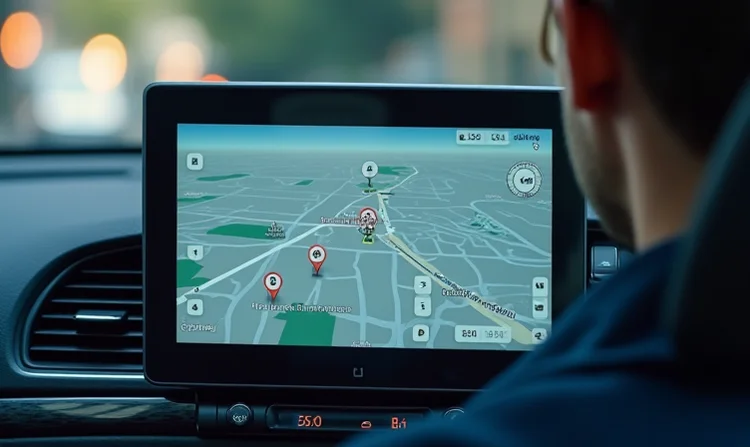
📊 Analytics and user feedback
Modern navigation systems collect analytical data about routes and user preferences, which allows them to improve and optimize their work. Users can leave feedback and suggestions, which are taken into account for subsequent system updates.
- Analytics data collection: Helps improve the functionality and accuracy of navigation systems.
- Feedback capability: Users can influence the development and improvement of the system.
🏁 Conclusion: The Future of Car Navigation
In-car navigation technology continues to evolve, offering increasingly advanced, convenient, and intuitive solutions. From personalized settings to integration with artificial intelligence and virtual assistants, the future of in-car mobile navigation promises to be exciting and innovative.
