
Automotive Innovations That Changed the Industry 🚗💡
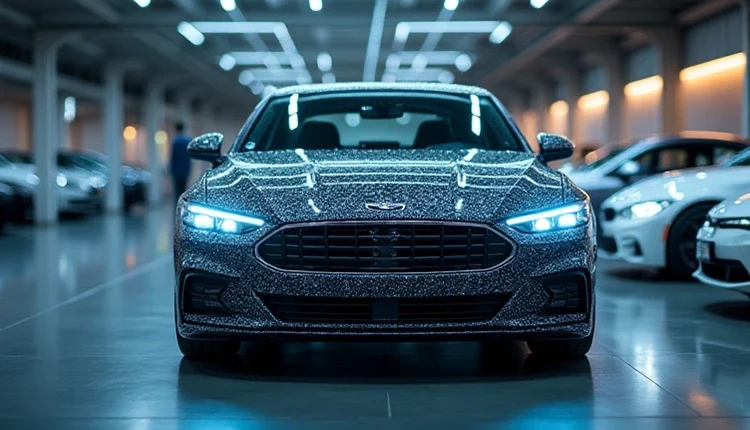
The automotive industry has been revolutionized by innovation in recent decades. From hybrid engines to autonomous driving, each innovation has contributed to changes not only in the design of cars, but also in the way we drive and perceive cars as part of everyday life. In this post, we look at the key automotive innovations that have had a significant impact on the industry.
Hybrid Technologies: Revolution in Efficiency 🌿🔋
Hybrid technology combines traditional petrol engines and electric motors, offering a greener and more economical way to travel. Companies such as Toyota with their famous Prius have made a significant contribution to the popularisation of hybrid cars. The combination of improved fuel economy and reduced CO2 emissions has made hybrid cars an attractive choice for consumers.
Electric Cars: A New Era of Driving 🚗⚡
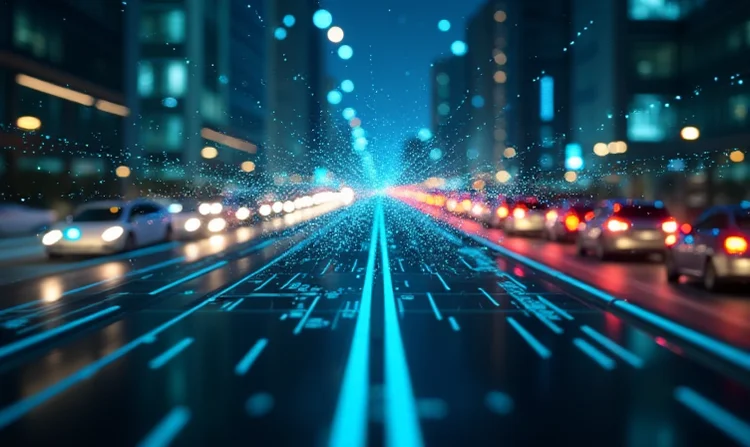
Electric vehicles (EVs) have changed the paradigm of the automobile industry. Companies like Tesla have proven that EVs can combine both high performance and attractive design. With the introduction of EVs from traditional automakers like the Nissan Leaf and Chevrolet Bolt, EVs are becoming more affordable and popular.
Autonomous Driving: The Future Is Around the Corner 🤖🚗
Autonomous driving technology is advancing rapidly, offering the prospect of cars that can move without active human input. Companies like Waymo and Uber are investing heavily in developing autonomous driving technology that promises to make road traffic safer and more efficient.
Connected Car: Connected on the Go 📶🚘
Connected Car technology enables cars to connect to the internet, giving drivers access to information, entertainment and control of various car functions via their smartphone. This improves driving, making it more comfortable and safer.
Flexible Fuel Systems: Focused on the Environment 🌍⛽
Flexible fuel systems allow the use of different fuels, including ethanol and biodiesel, helping to reduce dependence on oil and reduce harmful emissions. This underlines the automotive industry's commitment to sustainability and environmental responsibility.
These innovations have not only transformed the way we interact with cars, but have also made significant contributions to protecting the environment and improving road safety.
Intelligent Security Systems: Saving Lives 🛡️🚦
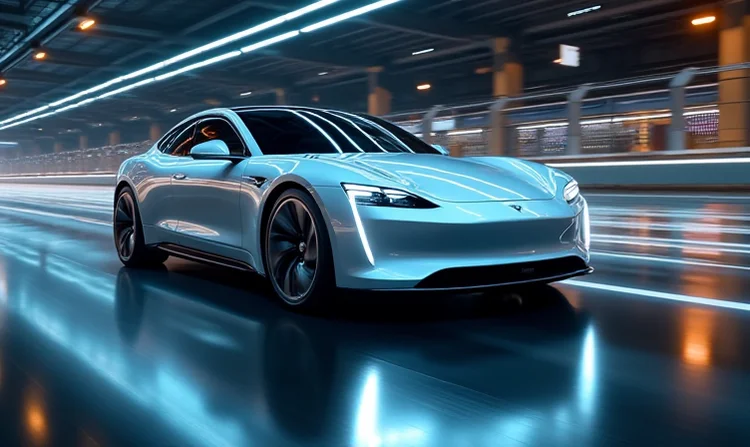
Intelligent safety systems such as automatic emergency braking, blind spot monitoring, and lane departure warning systems have significantly improved road safety. These systems use various sensors and cameras to monitor the surrounding environment and prevent accidents.
Digital Instrument Panels and Interfaces: A Revolution in Control 🖥️🕹️
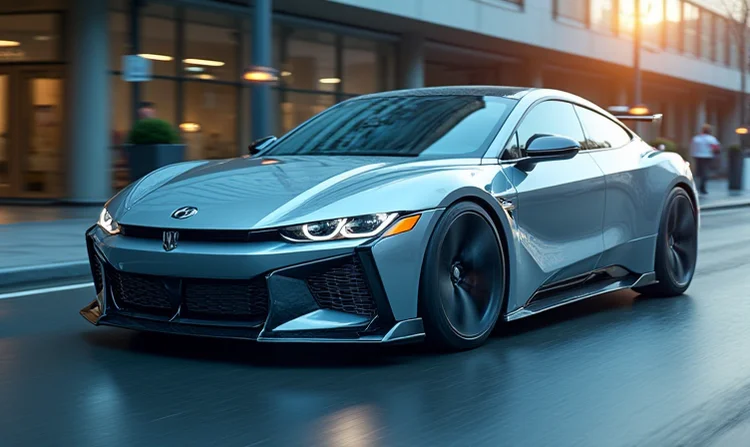
Modern cars feature digital instrument panels and interactive interfaces that allow drivers to easily control vehicle functions, media, and navigation. This makes driving more convenient and intuitive.
Electronic Stability Control: Control Over Car Behavior 🔄🔒
Electronic stability control systems help drivers maintain control of the vehicle in critical situations, preventing skidding and loss of control. This technology has significantly improved driving safety, especially in difficult road conditions.
Regenerative Braking: Saving Energy and Resources 🔄♻️
Regenerative braking, used in electric and hybrid vehicles, allows energy to be recovered during braking and used to recharge the battery. This increases energy efficiency and reduces carbon emissions.
Integration with Smartphones: Your Car in Your Pocket 📱🚗
Car integration with smartphones via apps allows users to monitor the status of their car, control some functions and even locate it in a parking lot. This adds a new level of convenience and functionality to using a car.
These innovations are more than just technological advances; they represent changes in the way cars are designed and used, making them safer, more comfortable and more environmentally friendly.
Autonomous Driving: A Revolution in Transportation 🚗👁️
Autonomous driving has become one of the most significant innovations in the automotive industry. These systems promise to change the way we experience transportation, offering opportunities to improve safety and efficiency on the roads.
Electrification of Transport: A Step Towards Environmental Cleanliness 🌍🔋
Switching to electric vehicles is an important step in the fight against climate change. Electric vehicles significantly reduce carbon emissions and offer a greener transportation option.
Internet of Things (IoT) in Cars: Connectivity and Synchronization 🌐🚘
Integrating cars with the Internet of Things (IoT) allows the vehicle to be synchronized with other devices, creating a unified ecosystem that makes life easier for the driver and passengers.
Using Artificial Intelligence: Smart Cars 🧠🚗
Artificial intelligence in cars enables more efficient resource management, adaptation to driver behavior and provision of personalized services, making driving more comfortable and safer.
Driver Support Systems: Increased Safety and Comfort 🚦👨✈️
Driver assistance systems such as adaptive cruise control and parking assistants make driving much easier, increasing safety and driving comfort.
These technologies will continue to evolve to offer smarter, greener, and more convenient ways to travel in the future. They are not only changing the way drivers interact with their cars, but are also shaping a new landscape of urban infrastructure and mobility.
