
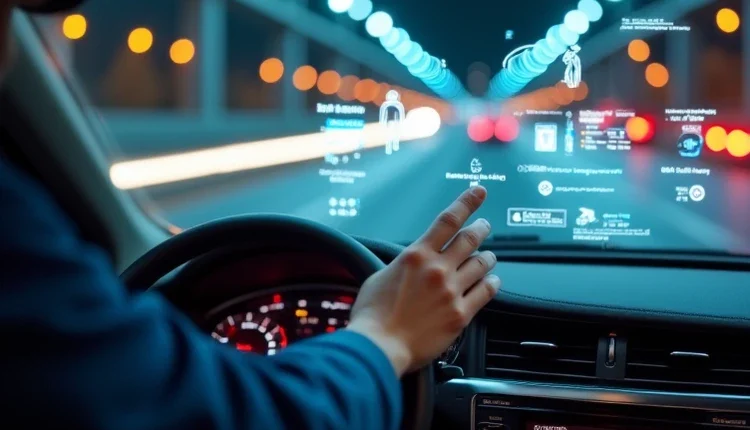
Automotive technologies to improve road safety
Road safety is a priority in today's automotive world. With the development of technology, car manufacturers are introducing increasingly advanced systems aimed at reducing accidents and increasing the safety of drivers and passengers. Let's look at the key innovations in this area.
🚗 Active safety systems
Active safety includes technologies that prevent accidents from occurring. These include:
- Adaptive cruise control: Automatically maintains a safe distance from the vehicle in front.
- Collision warning systems: Use radar and cameras to detect potential obstacles and warn the driver of a possible collision.
- Blind Spot Monitoring Systems: Warns of vehicles that are out of the driver's line of sight.
🚦 Driving assistants and automated driving
Automated driving systems and driving assistants significantly improve road safety:
- Parking assistance systems: Make parking easier by reducing the risk of collisions.
- Automated driving systems: For example, an autopilot that can drive a car on its own under certain conditions, reducing driver fatigue and the risk of error.
🛑 Passive safety systems
Passive safety is aimed at protecting the driver and passengers in the event of an accident. Such systems include:
- Airbags: Soften the impact of a collision, protecting passengers from injury.
- Seat belt pretensioners: Automatically tighten seat belts during a crash for added protection.
- Impact Absorbing Body Structures: Specially designed vehicle bodies that can absorb impact energy and protect the interior.
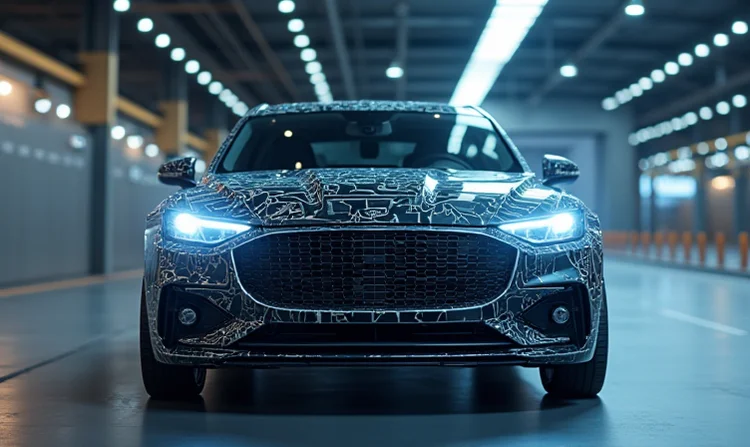
🚦 Intelligent Lighting Systems
Modern cars are equipped with smart lighting systems that improve visibility at night and in poor weather conditions, increasing safety:
- Adaptive LED headlights: Automatically adjust the brightness and direction of the light depending on the road conditions.
- Automatic high beam systems: Minimize the risk of dazzling oncoming drivers.
📱 Driver monitoring systems
Driver monitoring technologies are designed to prevent accidents caused by fatigue or distraction:
- Cameras and sensors that monitor the driver's condition: These can detect signs of fatigue or drowsiness and alert the driver to the need for rest.
- Lane Departure Warning Systems: Helps keep the vehicle within its lane, preventing accidental deviations from the lane.
📡 Vehicle-to-infrastructure connection
The development of technologies for connecting the car with the road infrastructure and other vehicles opens up new opportunities for improving safety:
- V2X (Vehicle-to-Everything) systems: Exchange data with other vehicles and road infrastructure, warning of potential hazards and changes in road conditions.
📊 Data Analysis and Predictive Security
Modern cars are equipped with systems that can analyze large amounts of data to improve safety:
- Driver behavior analysis systems: Assess driving style and can warn of potentially dangerous maneuvers.
- Predictive safety systems: Use data about road conditions and the behavior of other road users to anticipate potential hazards and automatically take precautions.
🚗 Improving the design of the car
Advances in materials science and vehicle design are also helping to improve safety:
- Use of high-strength lightweight materials: Improves occupant protection in collisions by reducing vehicle weight and improving vehicle handling.
- Innovative body designs: Provide better energy absorption capacity during impacts, protecting the interior from deformation.
🛠️ Regular maintenance
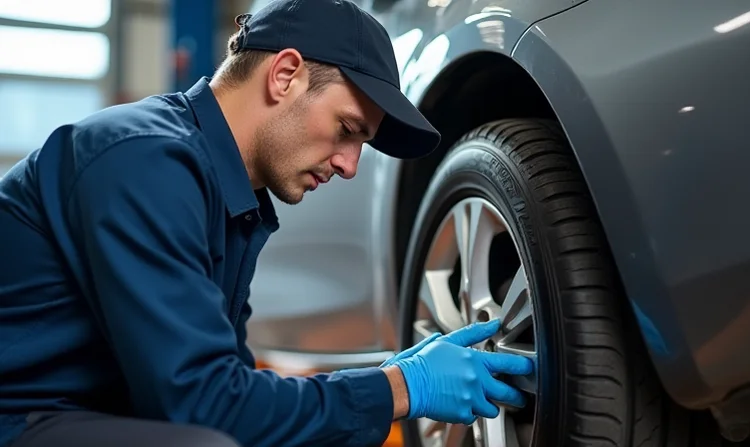
Even the most advanced safety technologies cannot fully protect the driver and passengers if the car is not in perfect technical condition. Regular maintenance, including checking the brake system, tires, lights and other key components, is vital to ensure safety on the road.
🚸 Improved interaction with pedestrians and cyclists
Road safety includes not only the protection of drivers and passengers, but also taking into account the safety of pedestrians and cyclists:
- Pedestrian and cyclist detection systems: Use cameras and radar to detect people and bicycles, preventing collisions.
- Door Opening Warning Technologies: Warns drivers and passengers of approaching pedestrians or cyclists, preventing accidents when doors are opened.
🌐 Infrastructure development and technology integration
Advances in automotive technology go hand in hand with the development of infrastructure:
- Intelligent road signs and signals: Interact with vehicles to provide up-to-date information on traffic conditions.
- Traffic management systems: Integrate with vehicles to optimize traffic flows and reduce the risk of congestion and accidents.
📚 Conclusion
Automotive technologies for improving road safety continue to evolve, making travel on the roads safer. From active and passive safety systems to infrastructure integration and regular maintenance, every aspect plays an important role in preventing accidents and protecting lives. It is important for drivers to be mindful of their vehicle choices when considering these technologies, and to regularly service their vehicles to maximize the potential of modern safety systems.
To improve safety on the road, choose the right accessories and equipment here.
