
Car brands. The most expensive cars in the world
Subscribe to the channel, put likes, write comments. Support my channel. Thank you from the bottom of my heart.
In real realities, you can also classify cars according to their purpose.
– Passenger cars.
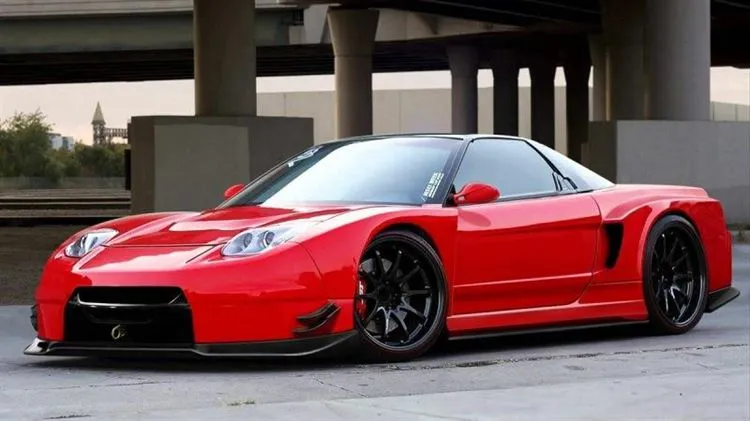
Designed to carry passengers and/or a small amount of cargo on roads with improved surface. They do not have increased cross-country ability (even with all-wheel drive!), Driving off the road or overcoming a small ford can be carried out exclusively “at the risk and peril” of the driver. A subclass of “passenger cars” are “sports cars”. These cars are not race cars, but are designed to provide increased driving pleasure to their owner. The range of “sporty” solutions can start from the installation by the Manufacturer of a “sporty body kit” on an ordinary model (for example, Chevrolet Lacetti WTCC,
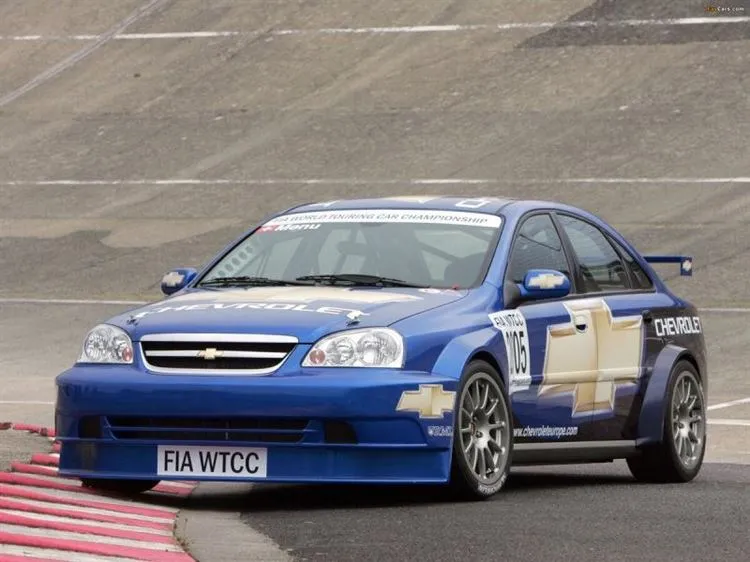
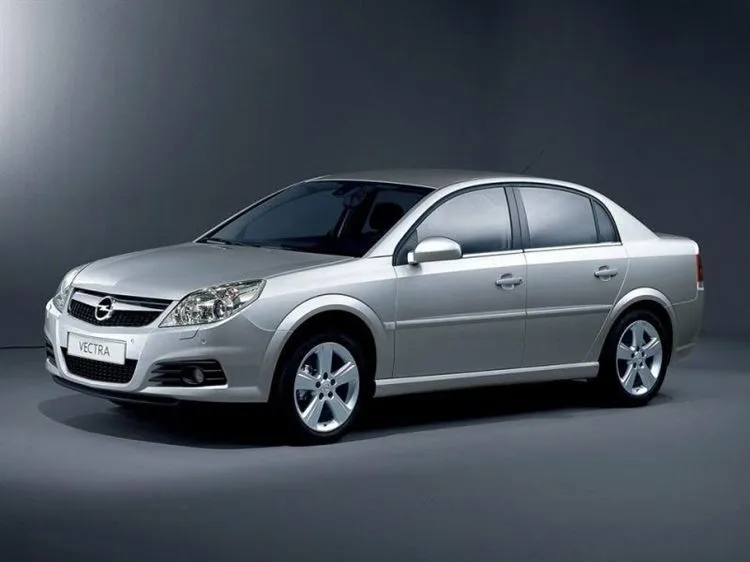
OPC-line),
and ending with the release of highly dynamic models (Honda NSX
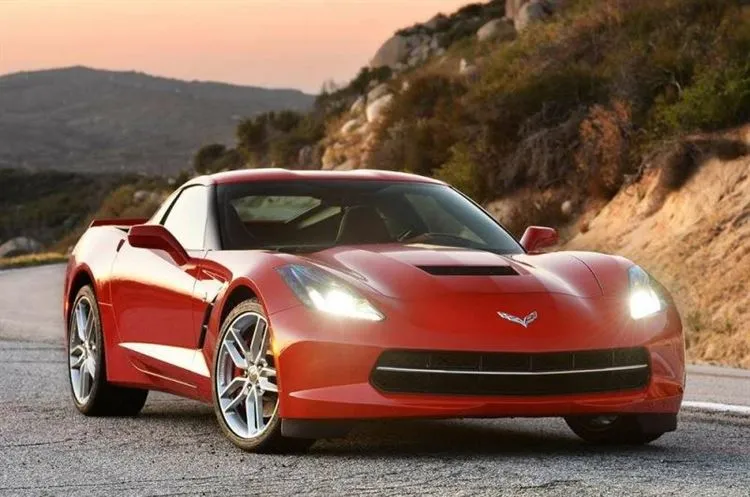
Chevrolet Corvette,
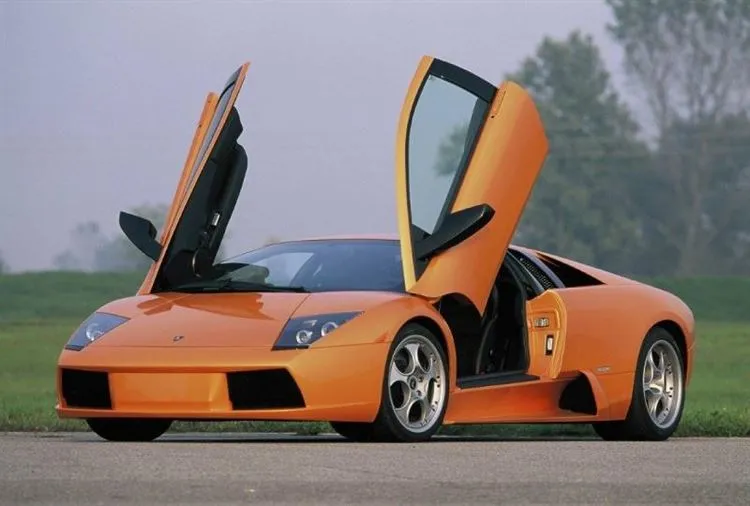
, Lamborghini Murcelado…)
– SUVs.
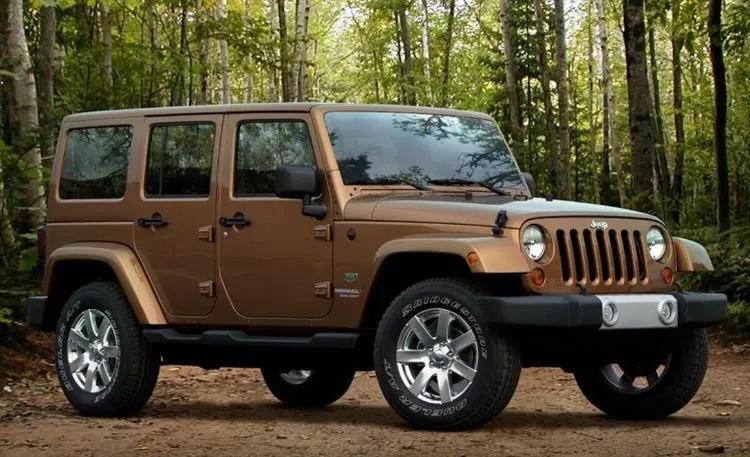
This class of cars can be operated in real off-road conditions and is structurally adapted to this.
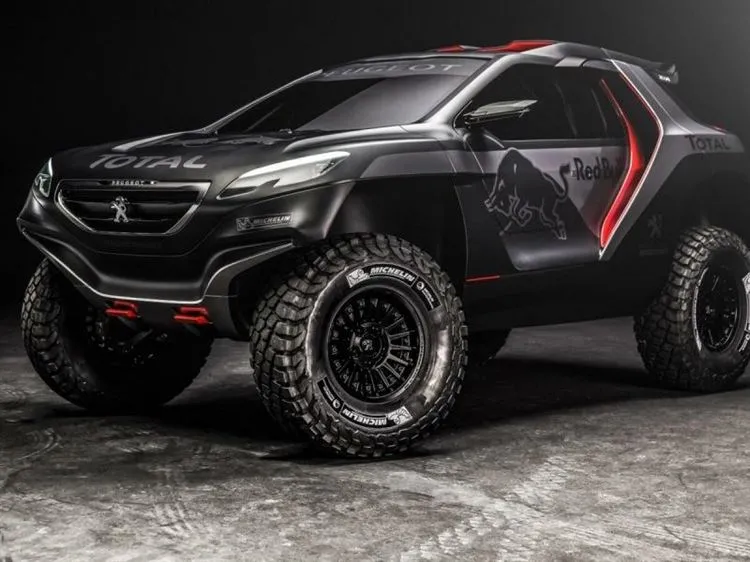
– The now popular class of “crossovers”
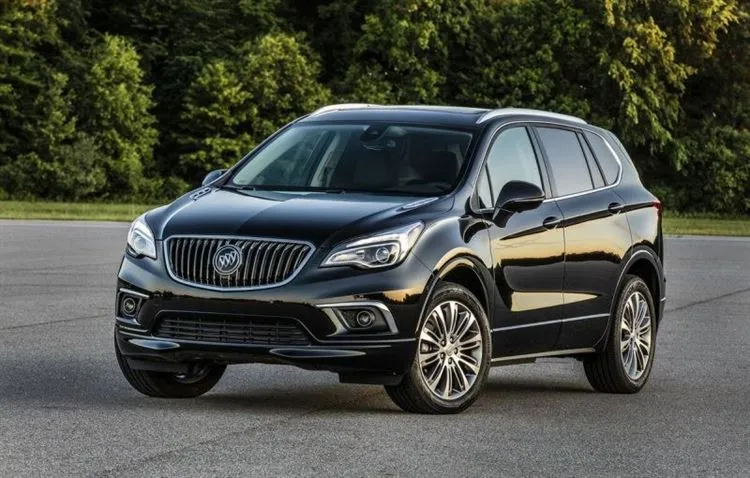
(they are also “SUVs”) is intermediate between passenger and SUVs. Such cars have a cross-country ability increased relative to “passenger cars”, but do not have a full set of off-road qualities and do not allow to overcome serious off-road conditions.
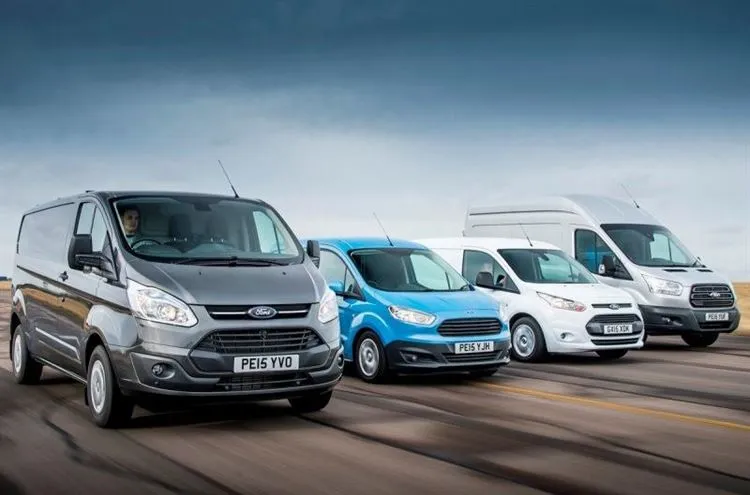
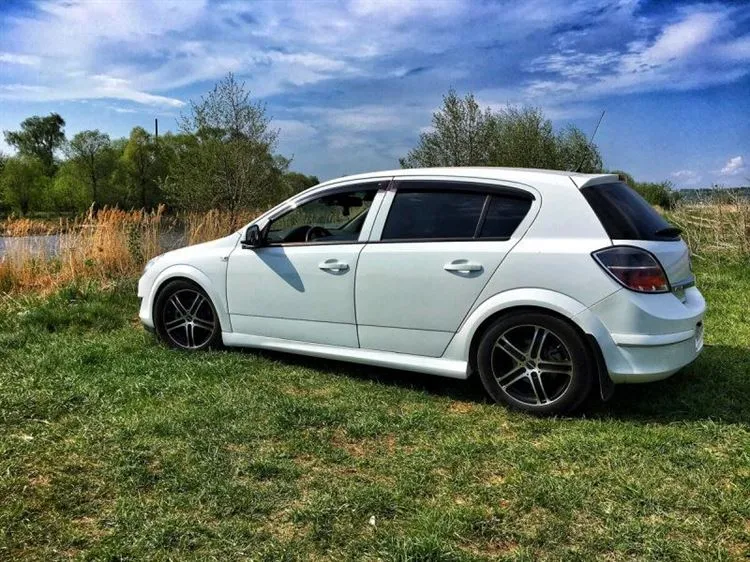
– “commercial” cars are often created on the basis of “passenger cars”, but at the same time they are intended mainly for the transportation of small consignments for the benefit of business, and not only. Interestingly, there is a trend to “return” to the function of a passenger car: for example, based on the popular Opel Corsa
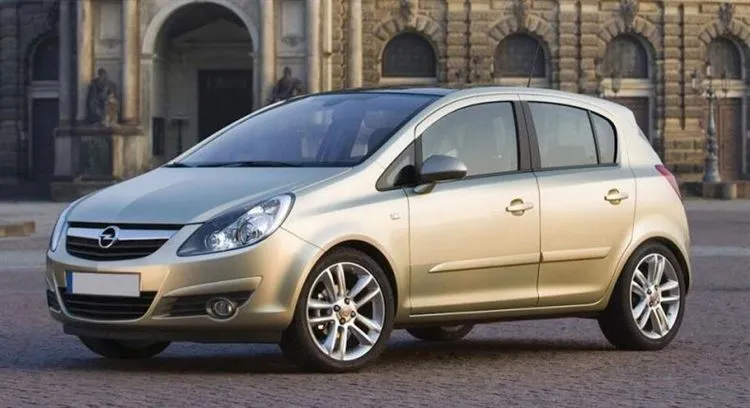
Opel Combo cargo van created
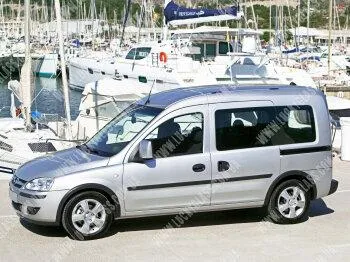
, in which a volume of about 3 m³ for cargo is organized behind the backs of the front seats, and the Opel Combo Tour is immediately offered
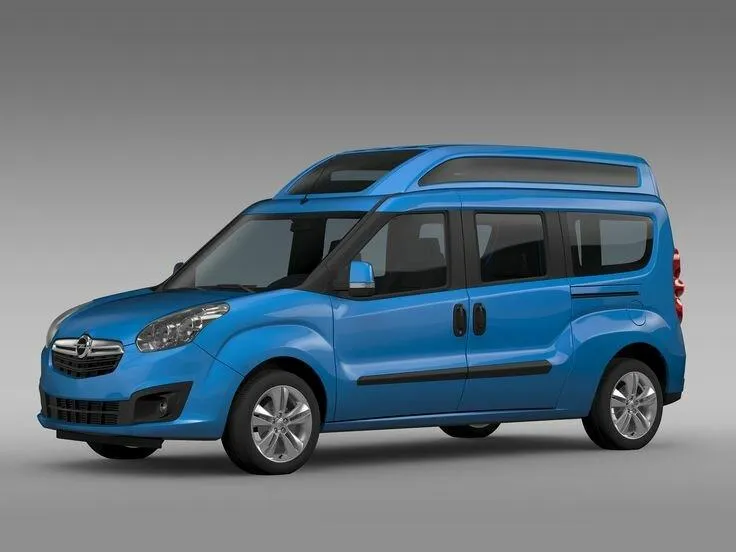
, where passenger seats are installed in a spacious, previously cargo compartment. Such a car (like many competitors) differs from a purely “passenger passenger” progenitor in a much more spacious interior and high ceiling.
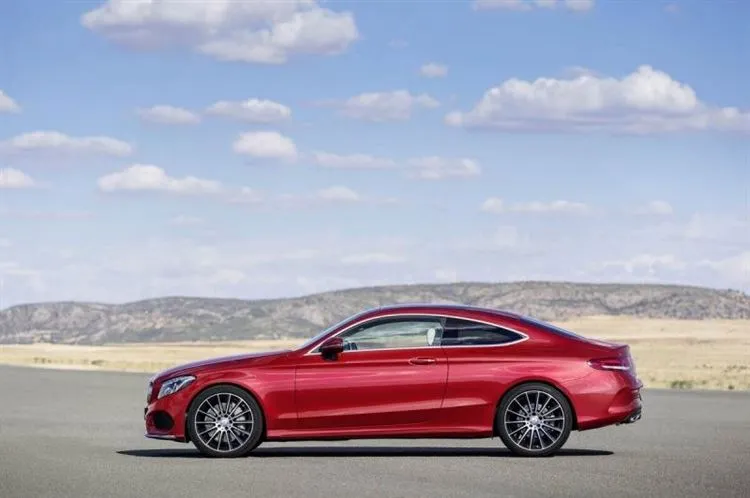
Coupe class cars (G1) occupy a special niche both here and in Western Europe. Unlike classes “B”, “C”, “D”, “E”, there is no clear division into leaders and outsiders. The class of cars with a coupe body with a capacity of 4, 2 + 2 and even more so 2 seats is characterized by understandable impracticality and therefore in Europe the demand for them does not exceed 1-2% of sales. In addition to limited capacity, in many conditions, cars of this type have a number of negative features: a low landing, a rigid suspension on ultra-low-profile tires transmit every junction of the roadway and a small hole to the body and seat.
“Convertibles,
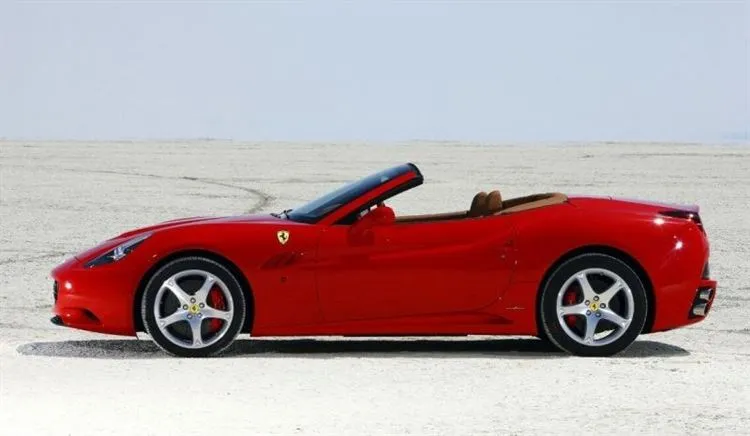
roadsters
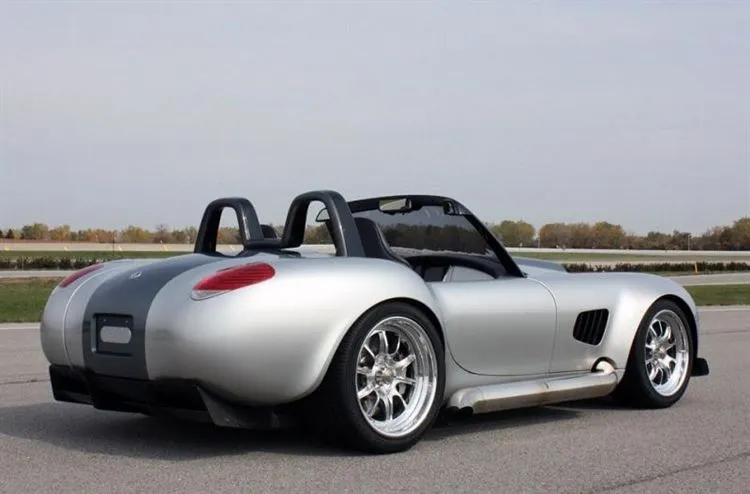
and spiders »
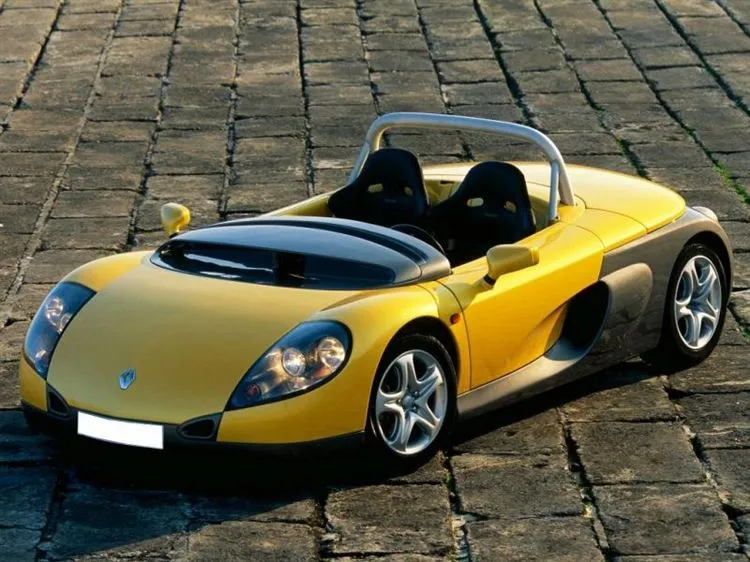
(H1, H2) is a piece goods. We have few really hot months (from May to August-September), and our streets are not washed with soap, as they do in the West. Having taken a ride in such a toy, you can get dirty so that the next time you go with the top up. Convertibles and premium-class roadsters (H2) “live” mainly in expensive resorts, but sometimes they are also found here.
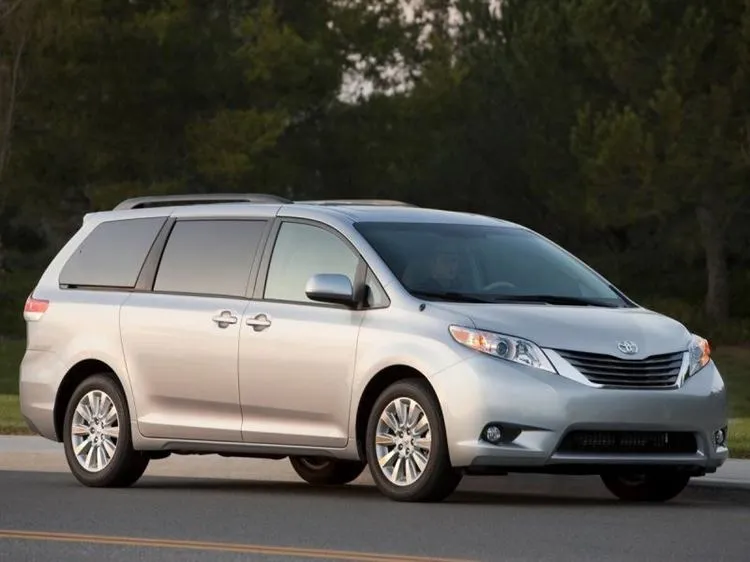
(L) is quite extensive in the US and is growing in popularity in Europe.
They are mainly intended for large families, and can also be used for travel, as office delivery vehicles, etc. The capacity of these three-row models is from 6 to 8 seats, and minivans – up to 9 seats, including the driver. In the case of dismantling the rear seats can be used for cargo and passenger transportation. In terms of their driving and speed characteristics, they are close to ordinary passenger station wagons. Minivans, as a rule, unified in body and chassis with passenger-and-freight light trucks, have a larger capacity, have sliding doors and an impressive height.
The most expensive cars in the world
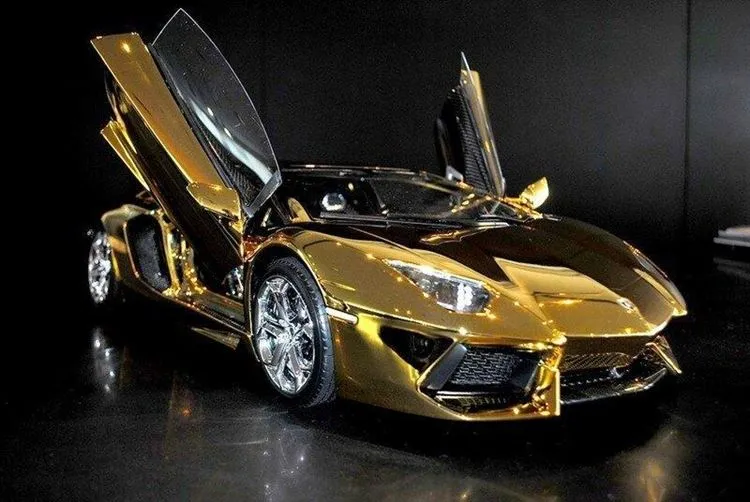
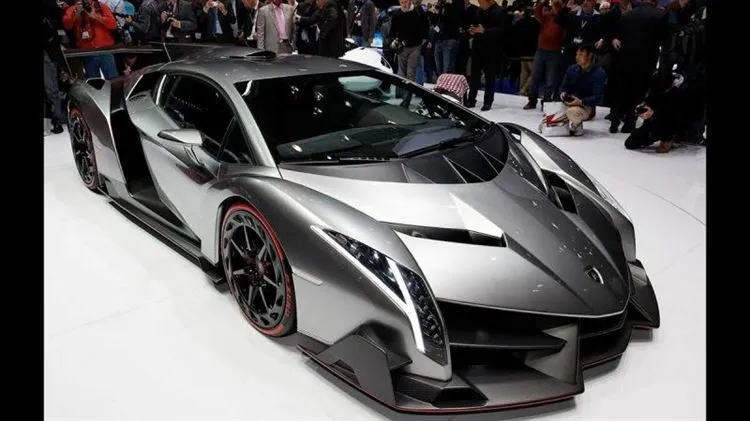
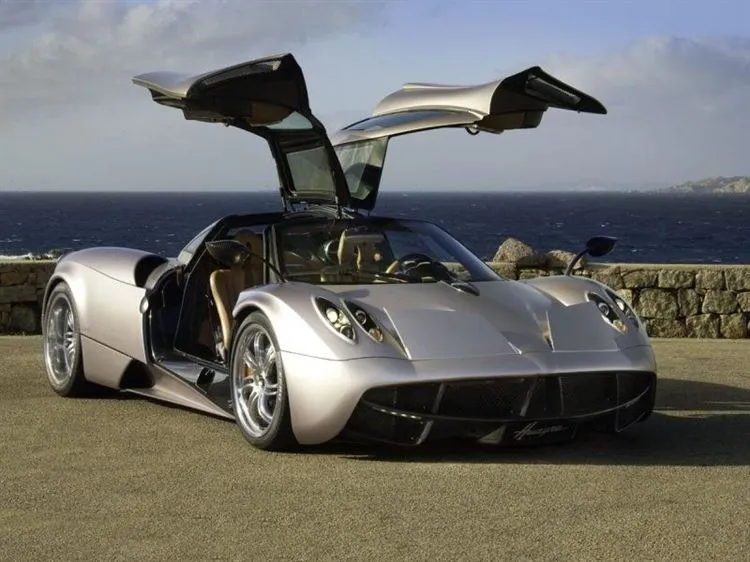
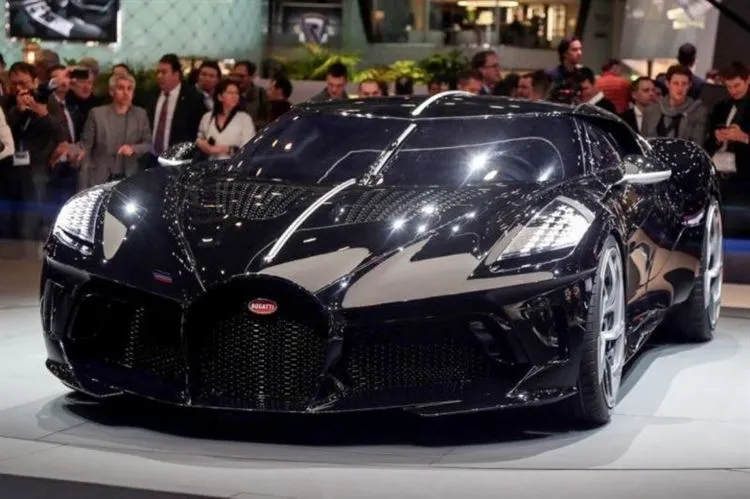
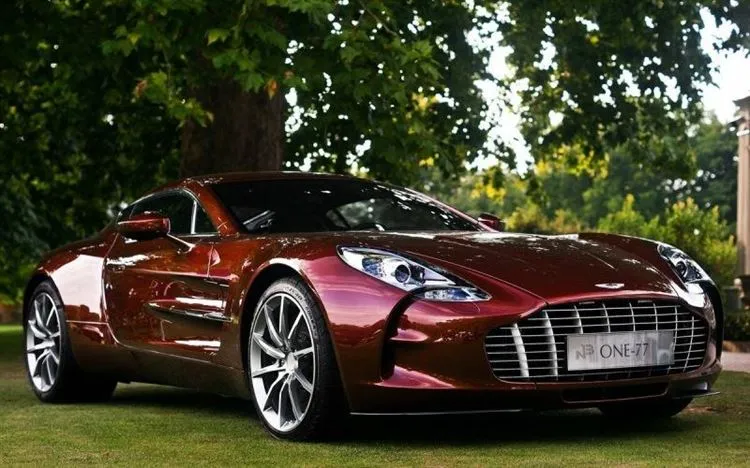
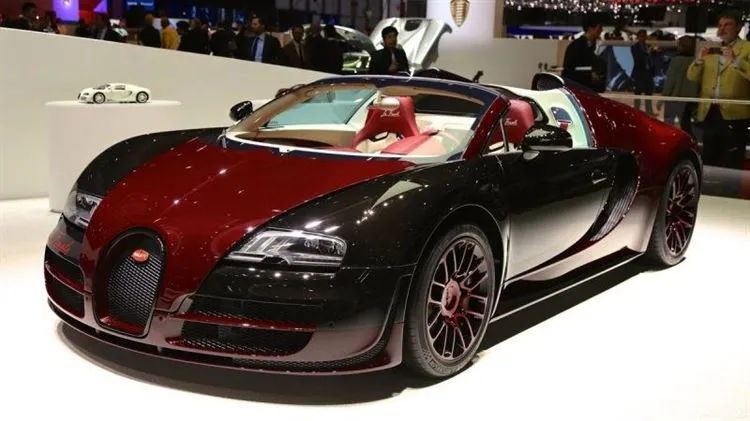
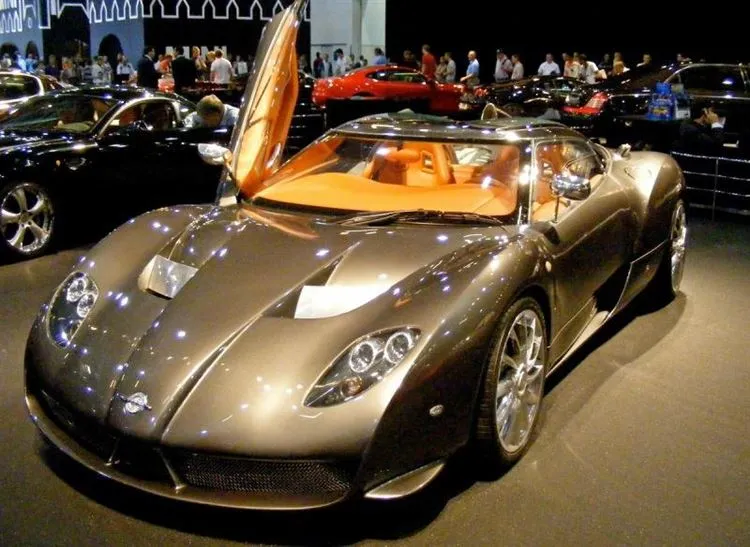
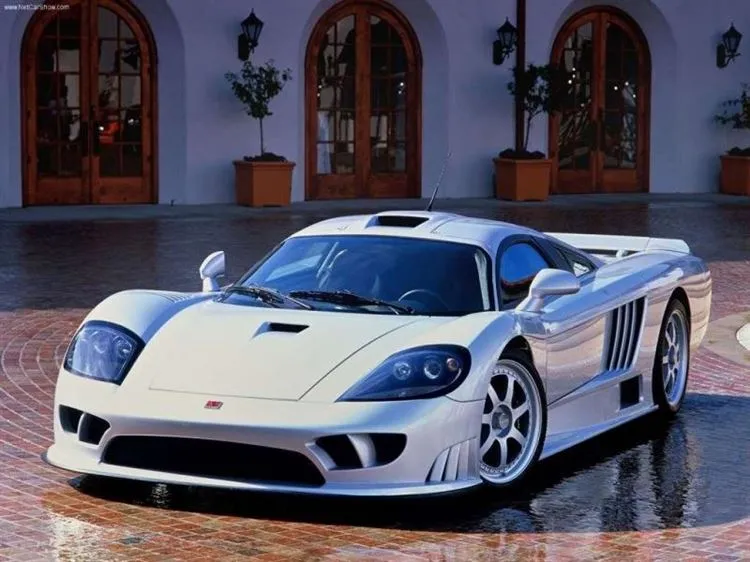
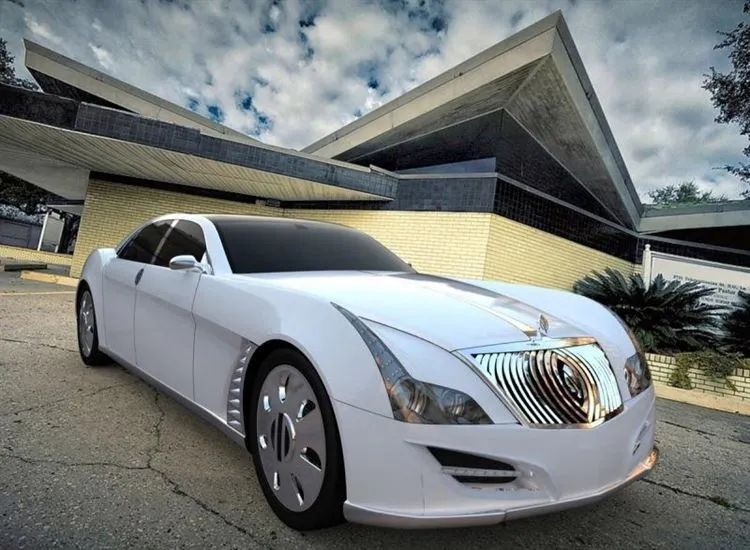
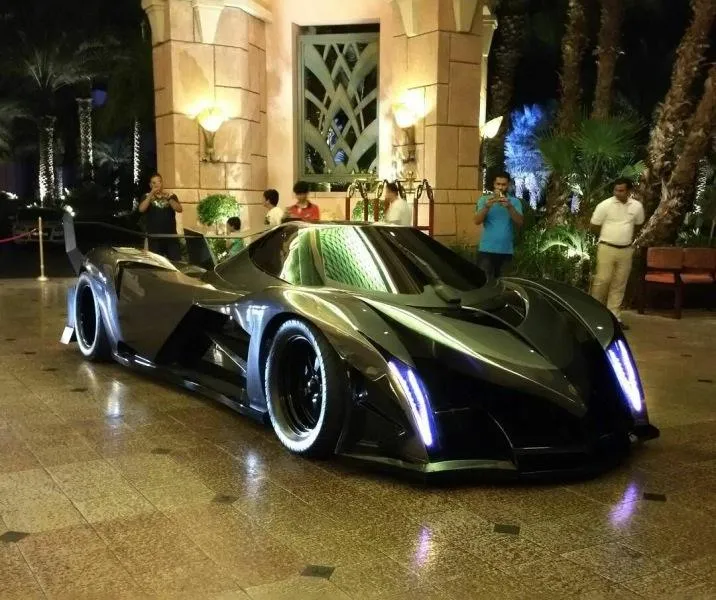
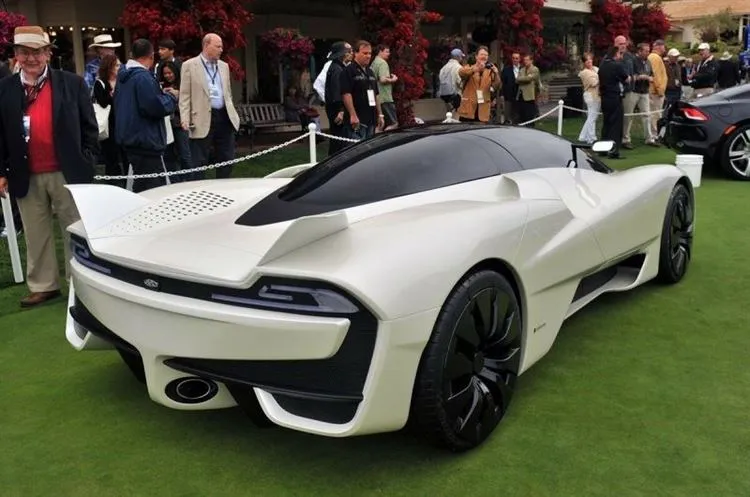
Country of Origin: USA
Engine: 1,350 hp 6.8-liter V8
Acceleration from 0 to 100 km / h: 2.6 seconds
Price: $970,000 (provisional).
