
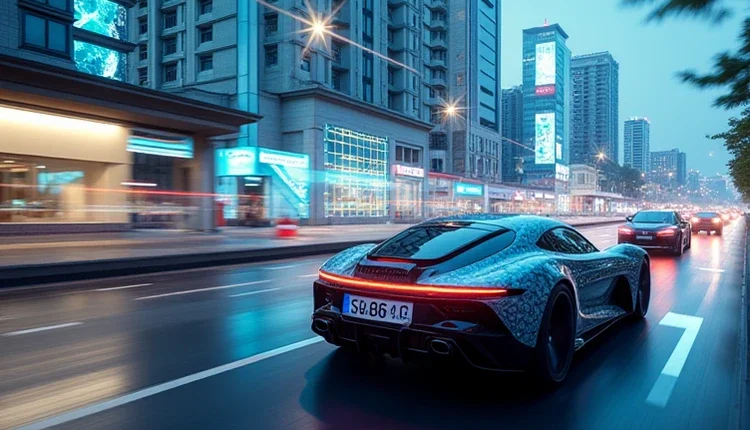
Cars of the Future: Technologies That Will Change the World 🚀🚗🌐
The automotive industry is constantly evolving, introducing new technologies that promise to radically change our understanding of transport. In this post, we will look at the most promising innovations in the world of the automotive industry that will determine the trends of the coming years.
Electrification and ecology 🌿⚡️
Electric cars are nothing new, but their constant improvement opens up new horizons. Today, manufacturers are focusing not only on increasing the driving range, but also on reducing the charging time. In addition, the environmental friendliness of electric cars is reaching a new level thanks to the use of sustainable materials and renewable energy sources.
Autonomous Driving and AI 🤖🚘
Autonomous technologies are developing rapidly. In the future, cars will be able to take over control completely, ensuring the safety and comfort of passengers. Artificial intelligence, processing data from multiple sensors, will allow cars to make instant decisions in difficult traffic situations.
Internet connection and integration with devices 📱🔗
Modern cars are becoming part of the “Internet of Things,” integrating with various devices and services. This allows drivers to control various car functions remotely, receive up-to-date information about the traffic situation, and even make purchases or orders while driving.
Improved safety and driver assistance 🛡️🚦
Safety technologies are also not standing still. Emergency braking systems, blind spot monitoring, lane departure warning and many others help to minimize risks on the roads. Intelligent driver assistance systems are able to analyze the driver's behavior, preventing fatigue or distraction.
Saving resources and sustainable development 🌏💡
Car manufacturers are increasingly focusing not only on fuel economy but also on reducing their overall environmental footprint. This is achieved by using recycled materials, developing efficient and economical engines, and reducing the weight of cars.
Conclusions 🎯
Cars of the future promise to be not only safer and more environmentally friendly, but also comfortable, technologically advanced, and, of course, intelligent. These changes open up new opportunities to improve the quality of life of drivers and passengers. It is safe to say that the automotive industry is on the threshold of a new era, where technology serves not only comfort, but also sustainable development.
Find accessories for new generation cars
Integration with city infrastructure 🏙️🚗
With the development of “smart cities,” cars of the future will be closely integrated with urban infrastructure. They will be able to receive real-time data on traffic, traffic lights, parking spaces, and other important aspects of urban life. This will not only make driving more convenient, but will also significantly improve traffic in general.
Development of electric and hybrid technologies 🌿🔋
Electric cars and hybrids will become even more affordable and efficient. Improved batteries with greater capacity and fast charging, efficient hybrid systems that optimally combine electric and traditional traction – all this will become the norm in the next generation of cars.
Smart interfaces and personalization 🖥️🤖
Vehicle interfaces will become more intuitive and adaptable to the driver's individual preferences. The use of voice commands, gestures, and personalized settings for multimedia and navigation systems will make driving even more comfortable and safe.
Eco-friendliness and sustainable production 🌱♻️
Sustainable production of cars and their components will be one of the key trends. This includes the use of environmentally friendly materials, minimizing waste and reducing carbon emissions at all stages of the production and operation of cars.
Conclusions 🚀
The future of the automotive industry promises to be exciting. Innovations not only make cars safer and more comfortable, but also contribute to sustainable development. By investing in the development of new technologies, car companies contribute to the creation of a future where cars are not only a means of transportation, but also an integral part of a smarter and greener world.
Autonomous driving and artificial intelligence 🤖🚗
Autonomous technology will continue to evolve, providing safer and more efficient travel. Artificial intelligence (AI) will drive the car by analyzing vast amounts of data in real time, which will reduce the number of road accidents and improve traffic.
Connected Cars and the Internet of Things (IoT) 🌐🚘
Cars of the future will actively use the capabilities of the Internet of Things, exchanging data with other devices and systems. This will allow the car to be aware of the state of the roads, the weather, and even interact with the driver's smart home or office.
Personalized mobility and car sharing 🚕🔑
The trend of car sharing and personalized mobility will continue to grow. The ability to use a car on demand, tailored to individual needs, without having to buy one, will change the perception of personal transport.
Integration with renewable energy sources 🌞🔌
Cars of the future will be closely linked to the use of renewable energy sources. This is not only environmentally friendly, but will also reduce dependence on traditional energy sources.
Conclusions 🌟
The automotive industry is on the cusp of revolutionary change. Thanks to innovations in AI, IoT, sustainable manufacturing, and new mobility models, the cars of the future will change our everyday driving experience, making it safer, more convenient, and more environmentally friendly. These changes will not only affect cars, but also urban infrastructure, the economy, and society as a whole.
