
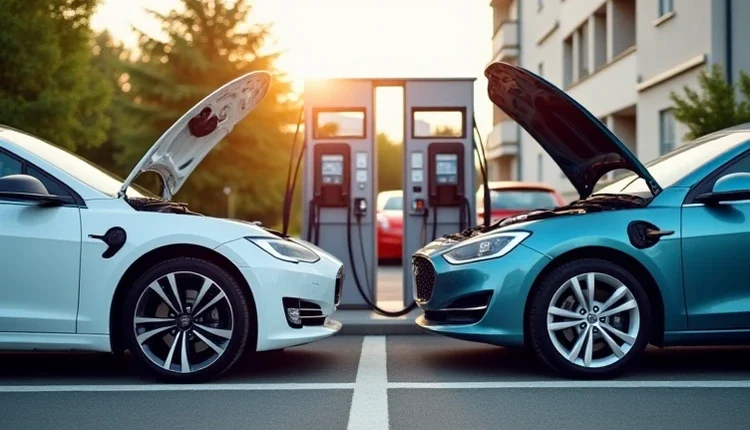
Electric Cars vs Hybrids: Cost of Operation Analysis 🚗⚡️ vs 🚗💧
Today's car market offers a variety of options for eco-friendly and economical driving. Electric and hybrid cars are becoming increasingly popular, but which of these options is the most cost-effective to operate? Let's look at the key aspects to consider when choosing between these two types of vehicles.
Cost of purchase and ownership
Electric cars
- Initial cost: Electric vehicles are typically more expensive than hybrids, but costs are rapidly falling due to technological innovation and increased production.
- Incentives and subsidies: Many countries offer tax breaks and subsidies for the purchase of electric vehicles, which can significantly reduce the final cost.
- Operating Costs: Low fuel and maintenance costs. The absence of traditional combustion engines reduces maintenance costs.
Hybrid cars
- Initial cost: Hybrids are generally cheaper than electric vehicles but more expensive than traditional gasoline cars.
- Fuel efficiency: Hybrids improve fuel economy compared to conventional cars, but are inferior to electric vehicles in the long run.
- Maintenance Costs: Despite having an electric part, hybrids require maintenance of the internal combustion engine, which increases costs compared to fully electric vehicles.
Driving range and charging
Electric cars
- Driving Range: Modern electric vehicle models offer a driving range of up to 300-500 km on a single charge, which is enough for most everyday needs.
- Charging infrastructure: Growing network of charging stations, but charging access may be limited in some areas.
Hybrid cars
- Range: Hybrids offer greater flexibility thanks to the combination of a gasoline engine and an electric motor.
- Refueling: Quick refueling with traditional fuel without the need for lengthy charging.
Environmental Impact
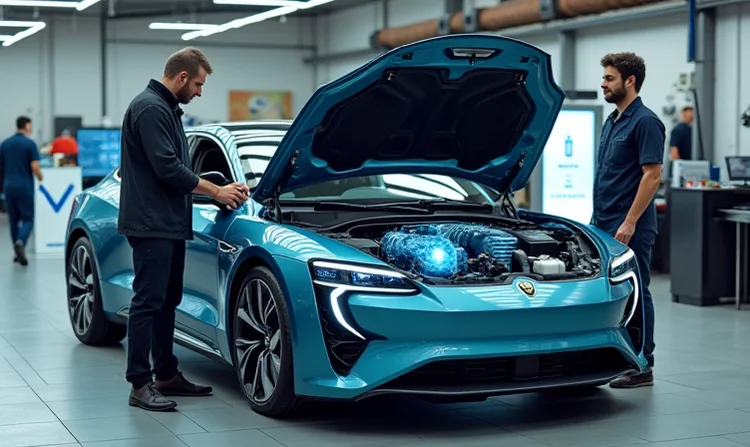
Electric cars
- Environmentally friendly: No emissions during operation. Environmental friendliness depends on the power source during charging.
Hybrid cars
- Reduced Emissions: Hybrids produce fewer emissions than traditional cars, but more than electric vehicles.
Conclusions and recommendations
The choice between an electric vehicle and a hybrid depends on individual needs and operating conditions. Electric vehicles are ideal for those looking for an eco-friendly option with minimal operating costs and access to charging infrastructure. Hybrids, on the other hand, may be the preferred choice for drivers who want greater flexibility and driving range without depending on charging stations.
Consideration of additional factors
Impact on insurance costs
Electric cars
- Insurance Premiums: Insurance for electric vehicles may be higher due to the higher cost of the vehicle and the cost of repairs.
Hybrid cars
- Insurance Cost: Hybrids can be cheaper to insure due to their reliability and availability of parts.
Secondary market and residual value
Electric cars
- Residual Value: Rapid advances in technology can cause models to become obsolete faster, reducing their residual value.
Hybrid cars
- Resale: Hybrids typically retain high residual values due to consistent demand and reliability.
Comparison table

Practical tips for choosing
- Determine your daily needs: If your daily commute does not exceed the range of an electric vehicle, an electric vehicle may be the optimal choice.
- Evaluate the availability of charging stations: Having charging stations in your area makes using an electric vehicle much easier.
- Consider overall running costs: Hybrids can be a more economical option for long-term ownership.
Environmental Impact Analysis
Electric cars
- Zero Emissions: Produce no direct CO2 emissions, making them environmentally friendly on the road.
- Energy dependence: Sustainability depends on the method of electricity production (renewable energy sources are preferred).
Hybrid cars
- Reduced Emissions: Reduce emissions compared to conventional cars, but still produce carbon dioxide.
- Fuel efficiency: Hybrids use fuel efficiently, which reduces overall pollution.
Support and Maintenance
Electric cars
- Maintenance: Require less maintenance as they have fewer moving parts and do not require oil changes.
- Batteries: Batteries can be expensive to replace, but they usually last a long time.
Hybrid cars
- Repair and Maintenance: May require expensive maintenance due to the complexity of the engine system.
- Durability: Hybrid systems are generally reliable and have a long service life.

Results
The choice between an electric vehicle and a hybrid depends on individual needs, driving style, and infrastructure availability. Electric vehicles offer high environmental friendliness and low maintenance costs, but require access to charging stations. Hybrids offer flexibility and high fuel efficiency, but can be more expensive to maintain. It is important to consider all factors, including cost of ownership, environmental footprint, and personal preference, before making a decision.
| Factor | Electric cars | Hybrid cars |
|---|---|---|
| Purchase price | Higher | Below |
| Insurance | More expensive | Cheaper |
| Travel distance | Limited | Big |
| Eco-friendliness | Tall | Average |
| Residual value | Below | Higher |
