
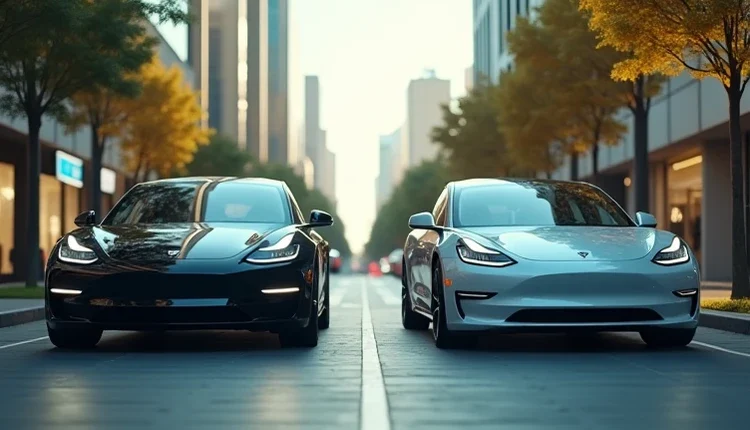
Electric vs. Gasoline Cars: Analysis and Comparison ⚡🆚⛽
The modern automotive world is on the verge of significant changes. Electric cars and gasoline cars compete for consumers' attention, offering different advantages and disadvantages. In this article, we will conduct a detailed comparison of these two types of vehicles. Choose accessories for electric cars to maximize their potential.
🚘 Gasoline Cars: Advantages and Disadvantages
Advantages
- Driving Range: Traditional cars can travel significantly longer distances without needing to refuel.
- Filling station infrastructure: The network of petrol stations is already well developed all over the world.
- Cost: In some cases, the initial cost of gasoline cars can be lower than that of electric cars.
Flaws
- Environmental damage: Emissions of carbon dioxide and other harmful substances contribute to global warming and air pollution.
- Oil dependence: Gasoline prices fluctuate depending on world oil prices.
- Operating costs: Gasoline vehicles require more frequent maintenance and are more expensive to run.

🌍 Electric Cars: Prospects and Limitations
Advantages
- Eco-Friendly: Electric vehicles produce no carbon emissions on site, making them more environmentally friendly.
- Fuel savings: Electricity is cheaper than gasoline, reducing operating costs.
- Low Maintenance: Electric vehicles have fewer moving parts and require less maintenance.
Flaws
- Driving Range: Many electric vehicles have a shorter driving range than gasoline vehicles.
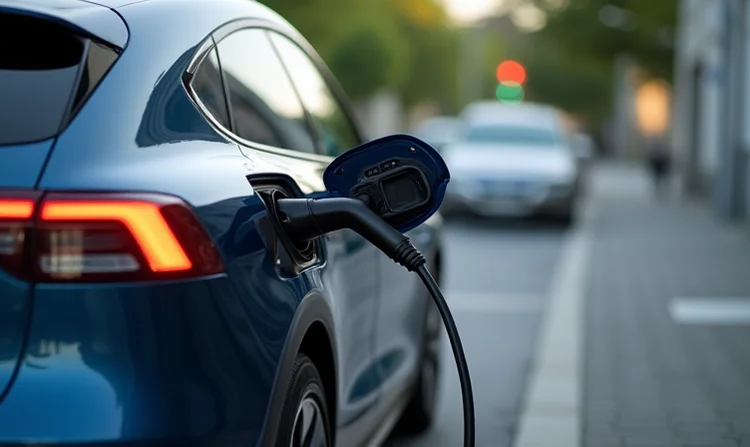
- Charging station infrastructure: The network of charging stations for electric vehicles is still developing.
- Charging time: Charging an electric vehicle takes longer than filling up a traditional car.
📊 Comparative Analysis
📈 Market Trends and Consumer Demand
Electric Vehicle Growth Dynamics
The electric vehicle market has seen significant growth in recent years. Increased environmental awareness, new government regulations and improved technology have contributed to increased sales of electric vehicles in Europe, the US and Germany.
Changes in Consumer Preferences:
- Greater focus on the environment: Consumers are increasingly choosing environmentally friendly vehicles.
- Increasing Number of Available Models: The variety of electric vehicles on the market continues to grow.
- Government support: Tax incentives and subsidies make electric vehicles more affordable.
🌱 Environmental Aspects
Impact on the Environment
The environmental aspect is a key factor in the comparison of electric cars and gasoline cars. Electric cars significantly reduce air pollution and reduce the impact of transport on climate change.
Key Environmental Benefits of Electric Vehicles:
- No CO2 emissions during operation.
- Use of renewable energy sources.
- Reducing noise pollution.
💰 Economic Considerations
Cost of Ownership
At first glance, electric cars may seem more expensive than gasoline cars. However, given the low running costs and government incentives, the total cost of ownership of an electric car over a period of years can be lower.
Breakdown of Economic Benefits:
- Fuel savings: Electricity is cheaper than gasoline.
- Low maintenance costs: Fewer moving parts and no internal combustion engine.
- Tax incentives and subsidies: Many countries offer financial incentives for purchasing electric vehicles.
🛣️ Infrastructure and Accessibility
Developing Infrastructure for Electric Vehicles
One of the key challenges for electric vehicles is the development of charging station infrastructure. Every year the number of charging points increases, making the use of electric vehicles more convenient.
Key Points of Infrastructure Development:
- Increasing the number of fast charging stations.
- Expansion of the network of charging stations in cities and on highways.
- Integration of charging stations with public and commercial spaces.
🔋 Technological Innovations
Progress in Electric Vehicle Development
Technological innovations play a major role in improving electric vehicles. Increasing battery efficiency, reducing their cost and developing new charging technologies open up new possibilities for electric vehicles.
Promising Directions of Development:
- Increasing the energy capacity of batteries.
- Reduced charging time.
- Development of autonomous driving technologies.
🚦 Prospects for Gasoline Cars
The Future of Traditional Vehicles
Despite the growing popularity of electric vehicles, gasoline cars are still an important part of the car market. Manufacturers are working to improve the efficiency of internal combustion engines and reduce emissions.
Directions for Improving Gasoline Cars:
- Increased fuel efficiency.
- Using hybrid technologies.
- Development of environmentally friendly fuels.
🌏 Global Environmental Initiatives
Contribution to Improving the Environment
Global environmental initiatives and legislative measures are aimed at reducing the environmental impact of transport. This includes not only the promotion of electric vehicles, but also improving the environmental performance of traditional cars.
🔄 Interaction of Technology and Politics
The Role of Governments in Promoting Electric Vehicles
Governments around the world are playing a key role in promoting electric vehicles by introducing various incentives, subsidies and regulations. These measures are aimed at accelerating the transition from traditional energy sources to more sustainable ones.
Government Support Measures:
- Tax incentives and subsidies for buyers of electric vehicles.
- Construction of charging station infrastructure.
- Legislative emission limits for conventional vehicles.
📚 Education and Awareness
The Importance of Informing Consumers
The development of the electric vehicle market requires not only technological innovations, but also increased awareness and knowledge among consumers. Educational campaigns and information initiatives help people better understand the benefits and capabilities of electric vehicles.
Ways to Raise Awareness:
- Information campaigns about the benefits of electric vehicles.
- Demonstrating the environmental benefits of electric vehicles.
- Training on the operation and maintenance of electric vehicles.
🌟 Conclusion
The Future of Transport
Comparing electric vehicles with petrol cars shows that the future of transport will be diverse and innovative. Electric vehicles offer significant environmental and economic benefits, but a number of infrastructure and technological challenges need to be addressed to fully transition to electric transport. However, given the pace of development and support from governments, electric vehicles promise to become a significant part of the transport system of the future.
| Parameter | Gasoline cars | Electric cars |
|---|---|---|
| Eco-friendliness | Low | Tall |
| Driving range | Tall | Average |
| Cost of service | Tall | Low |
| Fuel dependence | Tall | Low |
| Time to “refuel” | Fast | Long lasting |
