

Top 5 Automotive Innovations of the Last Decade: Industry-Changing Breakthroughs
The automotive industry has undergone a huge transformation over the last decade, thanks to a number of breakthrough technologies. From electric cars to self-driving cars, these innovations have not only improved driving comfort and safety, but also made cars more environmentally friendly and affordable. In our review, we look at five of the most significant innovations that have changed the face of the automotive industry. Don't forget that you'll also find accessories for innovative cars here.
🚗 Electric Cars: Revolution in the Engine
Electric cars have become a real symbol of change. Thanks to their appearance, the automobile industry has made a significant step forward in terms of eco-friendliness and economy. These cars not only reduce carbon emissions, but also have lower operating costs compared to traditional petrol and diesel cars.
The main advantages of electric vehicles:
- Zero Emissions: Electric vehicles produce no harmful emissions, which helps improve air quality in cities.
- Low maintenance costs: The absence of a traditional internal combustion engine reduces maintenance costs.
- Government support: Many countries offer subsidies and incentives for the purchase of electric vehicles.
🤖 Autonomous Driving: The Future is Here
Autonomous driving technology represents one of the most significant advances in the auto industry. Cars that can drive themselves on the road promise to make driving safer and more efficient.
The contribution of autonomous driving to the automotive industry:
- Improving safety: Reducing the number of road accidents by eliminating the human factor.
- Efficiency: Automation of traffic allows for a smoother flow of traffic.
- Comfort: Drivers are given the opportunity to rest during trips.
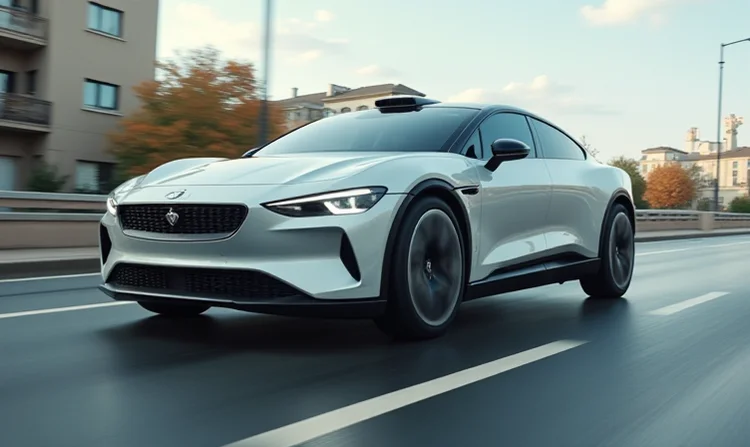
📱 Smart Technology Integration: Smart Cars
The integration of smart technologies into cars has had a significant impact on the convenience and functionality of vehicles. From navigation systems to car management apps, it all makes driving more enjoyable and convenient.
Benefits of integrating smart technologies:
- Better navigation: Modern GPS systems offer more accurate and informative navigation.
- Smartphone Control: Ability to control many vehicle functions via a mobile app.
- Personalization: Customize the vehicle interface to suit the driver's personal preferences.
🌿 Eco-friendly technologies: Green light for nature
The development of environmentally friendly technologies has become an important part of the modern auto industry. From hybrid engines to the use of environmentally friendly materials in production, the auto industry is actively implementing solutions aimed at reducing the impact on the environment.
Contribution of environmental technologies:
- Hybrid engines: Combination of a gasoline engine and an electric motor to reduce emissions.
- Use of sustainable materials: Use of recycled and environmentally friendly materials in production.
- Energy efficiency: Developing technologies to reduce fuel consumption and improve energy efficiency.
🛠️ Innovations in Manufacturing: Smart Factories
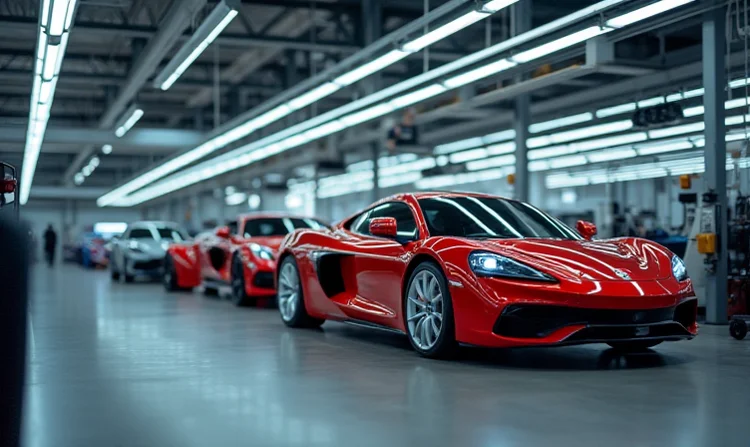
Automotive manufacturing has also undergone a transformation thanks to the introduction of automated and intelligent systems. Smart factories and robotic production lines can reduce vehicle assembly time, improve quality, and reduce production costs.
Advanced manufacturing techniques:
- Automation and robotics: Using robots to perform complex and monotonous tasks.
- Flexible production: The ability to quickly adapt to changing demand and new models.
- Digitalization of processes: Application of advanced information technologies to manage and optimize production processes.
📊 Analytics and Big Data: Revolution in Decision Making
The introduction of analytics and big data in the automotive industry has led to significant changes in the way information is collected, analyzed, and used. These technologies allow manufacturers to better understand the needs and preferences of drivers and optimize the performance of vehicle systems.
Benefits of using analytics and big data:
- Consumer insights: Data analysis helps manufacturers create products that better meet the wants and needs of drivers.
- Improving Safety: Collecting and analyzing data on driver behavior and road conditions helps improve safety systems.
- Optimized Maintenance: Vehicles with component condition monitoring alert you to maintenance needs, preventing breakdowns.
🌐 Internet of Things (IoT) and connected cars
The Internet of Things (IoT) has brought the possibility of constant communication between the car and the outside world to the auto industry. This has not only expanded the functionality of cars, but also created new opportunities for integration with other devices and systems.
IoT Contribution to Automotive Industry:
- Improved connectivity: Vehicles can now interact with other vehicles and road infrastructure, improving safety and efficiency.
- Remote Control and Monitoring: Drivers can control some functions of their vehicle remotely via their smartphone.
- Smart Home Integration: Cars can sync with smart home systems for even greater convenience.
🌿 Clean Technologies: Reducing Emissions
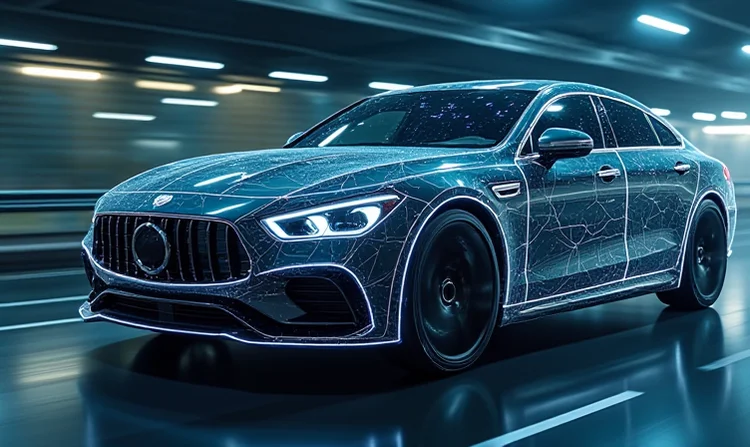
Environmental technologies aimed at reducing emissions into the atmosphere occupy a key place in innovations in the auto industry. Manufacturers are actively introducing hybrid and fully electric vehicles, as well as developing cleaner and more efficient engines.
Key achievements in environmental friendliness:
- Electric and hybrid vehicles: Reduce dependence on fossil fuels and reduce carbon emissions.
- Exhaust gas cleaning technologies: Improved catalysts and filtration systems reduce the amount of harmful substances emitted into the atmosphere.
- Use of renewable energy sources: Development of infrastructure for electric vehicles, including charging stations using renewable energy.
💡 Autonomous Driving: The Path to the Future
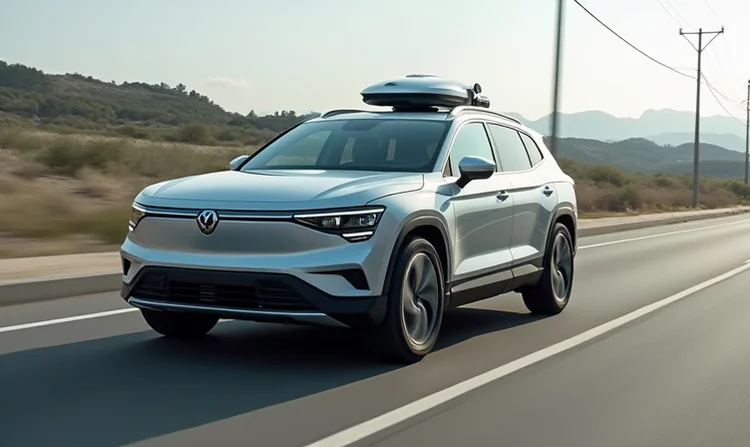
The development of autonomous vehicles is one of the most ambitious areas in the modern automotive industry. These technologies promise not only to improve road safety, but also to radically change the approach to driving.
Benefits of autonomous driving:
- Reduced Traffic Accidents: Autonomous cars can significantly reduce the number of traffic accidents thanks to precise algorithms and the absence of human error.
- Improved traffic efficiency: Reduce congestion and optimize traffic through coordinated vehicle management.
- Transportation accessibility : Autonomous vehicles can make transportation easier for people with disabilities and older adults.
📱 Integration with modern technologies
Every year, cars become more and more integrated with high technology. From navigation and remote control systems to integration with smartphones and cloud services, car manufacturers are focusing on increasing convenience and functionality.
Key aspects of technological integration:
- Smartphones as keys: The ability to use your smartphone as a key to your car.
- Remote control: Ability to remotely start the engine, control the climate and even park the car.
- Online software updates: Continuously improve your vehicle's functionality with wireless updates.
🚗 Efficient use of space and materials
Automakers are actively researching new materials and designs that make cars lighter, stronger, and more fuel efficient. This includes both improving aerodynamics and using recycled materials to reduce their environmental footprint.
Innovative approaches in design:
- Lightweight Materials: Using carbon fiber and aluminum to reduce the weight of the vehicle.
- Eco-friendly materials: Use of recycled and biodegradable materials in the interior and construction of vehicles.
- Aerodynamic design: Developing more streamlined shapes to help reduce fuel consumption.
🌿 Ecological technologies
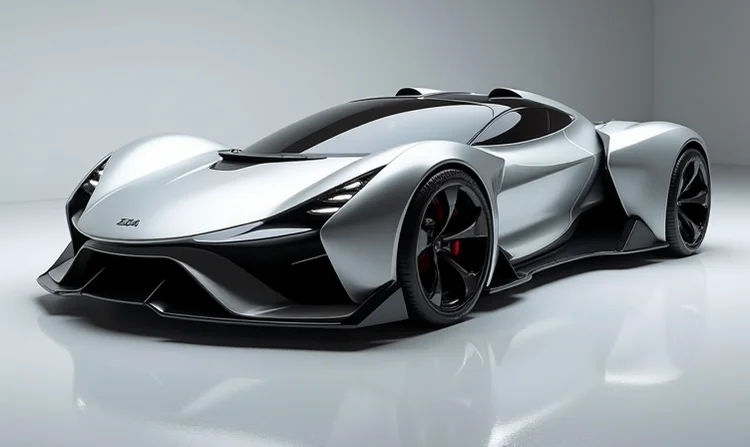
Environmental safety and sustainability are key areas of development in the modern automotive industry. Manufacturers are focusing on creating cars that are not only efficient but also have a minimal impact on the environment.
Key areas of environmental innovation:
- Electrification of transport: Transition from traditional internal combustion engines to electric motors.
- Use of alternative energy sources: Hybrid technologies, use of hydrogen as fuel.
- Reducing CO2 emissions: Developing technologies to reduce carbon dioxide emissions.
🏁 Conclusions
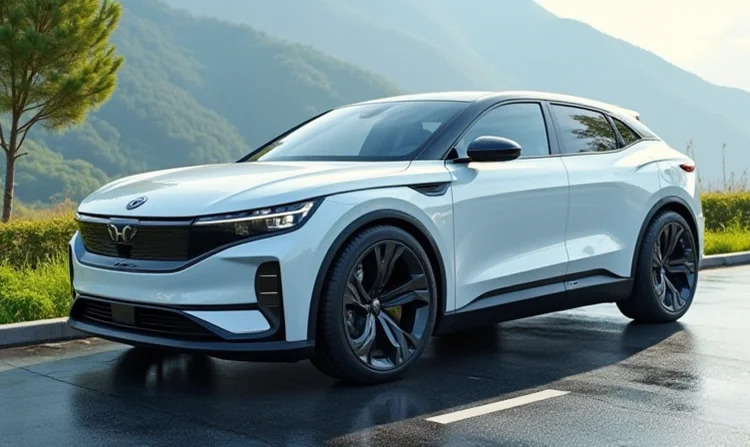
The top 5 innovations in the automotive industry of the last decade show how technological advances are changing not only cars, but also our relationship with mobility. These breakthroughs make cars safer, more comfortable, greener, and more integrated into the digital age. They open up new opportunities for sustainability and a better quality of life for people.
