
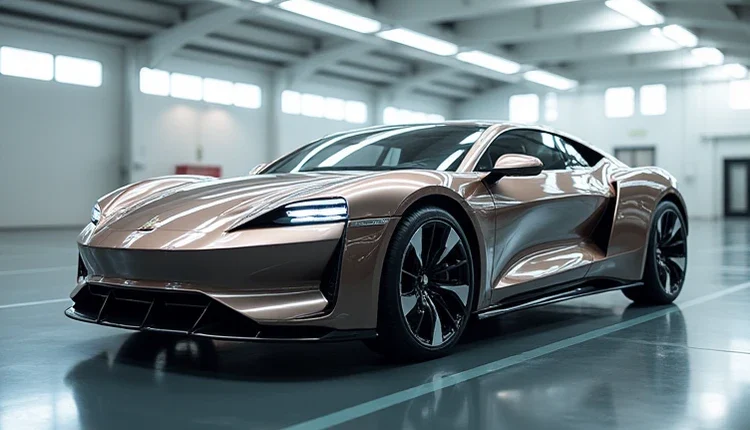
Energy-intensive body panels: a revolution in the automotive industry 🚗🌿
In the new age of automotive innovation, energy-efficient body panels are opening up new horizons for manufacturers and consumers. Today, you'll find efficiency-enhancing accessories that contribute to the advancement of this technology.
Features and Benefits 🌟
Energy-intensive panels are not just a design solution, but a functional element that improves the vehicle’s performance:
- Self-charging: The panels collect and store solar energy, reducing dependence on traditional energy sources.
- Lightweight and Durable: Modern materials make these panels lightweight yet durable, which helps improve fuel efficiency and safety.
Development and innovation 🔬
Leading automotive companies are at the forefront of developments, investing in research:
- Innovative materials: Use of the latest nanomaterials and composites that improve the efficiency of energy panels.
- Integration with electronics: The panels easily integrate with the vehicle's on-board systems, increasing its functionality.
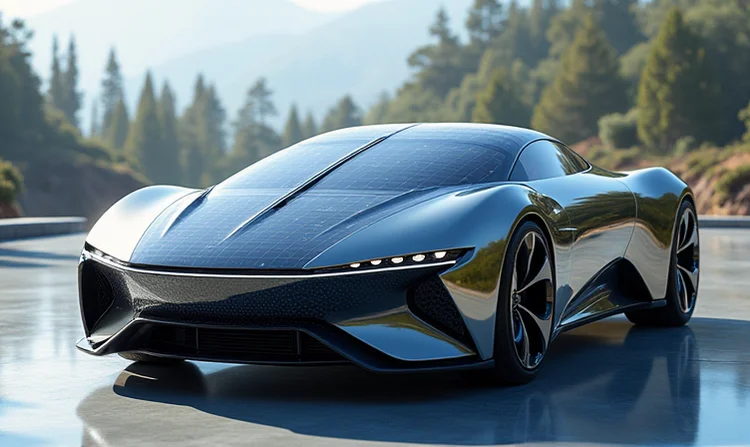
Impact on the environment 🌱
These technologies play a significant role in the sustainable development of the automotive industry:
- Reducing emissions: Using renewable energy sources has a direct impact on reducing carbon dioxide emissions.
- Resource conservation: Reducing the consumption of traditional energy sources leads to a smaller ecological footprint.
Results and Prospects 🚀
Energy-intensive body panels are not just the next step in the evolution of the automotive industry, they are a revolution in the idea of what is possible in modern vehicles. They open a new era in the environmental friendliness, efficiency and innovation of vehicles.
Research and development in this area leads to the creation of smart cars equipped with high-tech safety systems. Here are some of the key features:
- Adaptive safety systems: Cars are equipped with sensors and cameras that analyze the surrounding environment and automatically adapt to prevent accidents.
- Interaction with infrastructure: Integration with city infrastructure such as traffic lights and road signs for more efficient and safer movement.
Comfort and convenience 🛋️
Smart cars promise not only safety, but also incredible comfort:
- Personalized settings: Cars will be able to adapt to the driver's preferences, from seat adjustments to climate control.
- Autonomous Driving: The development of autonomous driving technologies will provide the opportunity to relax while driving, reducing stress and fatigue.

Impact on society and economy 💼
The transition to cars that communicate with each other will have a significant impact on society and the economy:
- Reduced road accidents: Reducing the number of accidents will lead to reduced health care and insurance costs.
- Optimizing traffic flow: Improve traffic flow and reduce congestion through coordination between vehicles.
Results and Prospects 🌐
Car-to-car communication is the future, bringing safety, comfort and efficiency. These technologies will significantly change our understanding of automobile transport, making it safer, more convenient and more environmentally friendly.
Ecological aspect 🌿
The environmental benefits of cars that can communicate with each other are undeniable:
- Reduced emissions: More efficient traffic management results in reduced carbon dioxide emissions.
- Energy efficiency: Optimising fuel use and supporting electric mobility.
Technology and innovation 🛠️
The heart of such cars is advanced technology:
- Artificial Intelligence and Machine Learning: Cars use complex algorithms to analyze data and make decisions in real time.
- 5G and the Internet of Things: High-speed communication and connection with other devices to exchange information.
Problems and challenges 🚧
Despite the advantages, there are also problems:
- Data Security: It is necessary to ensure that data is protected from hacker attacks.
- Legislation: It is necessary to develop a legal basis for regulating such technologies.
Conclusion 🚀
Cars that can communicate with each other are not just a means of transport, but a comprehensive solution that encompasses safety, ecology and convenience. This direction of development of the automotive industry opens up new horizons for creating a safer and more sustainable future.
