
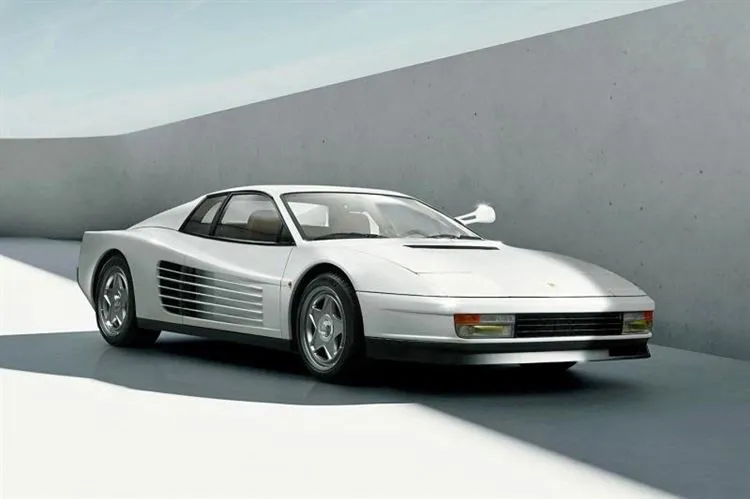
The rebirth of a legend: the updated Ferrari Testarossa debuted in Switzerland
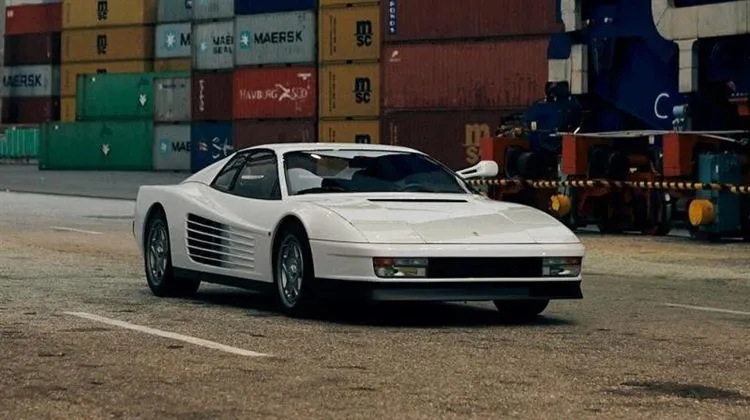
The Swiss studio Officine Fioravanti has presented a restomod based on the Ferrari Testarossa, one of the most striking supercars of the 80s of the last century. The car has completely retained the original design and technical features, but all key components have been upgraded to reflect the technologies of the 21st century.
The fashion for the revival of the legends of the 80s is gaining momentum: from recent examples, we give the reincarnations of the Lancia 037 from Kimera Automobili and the Renault 5 Turbo from Legende Automobiles, and Lamborghini recently introduced a new reading of the iconic Countach model. Ferrari Testarossa, of course, also deserves a second life, and she received it through the efforts of the young Swiss company Officine Fioravanti from the commune of Coldrerio bordering Italy.
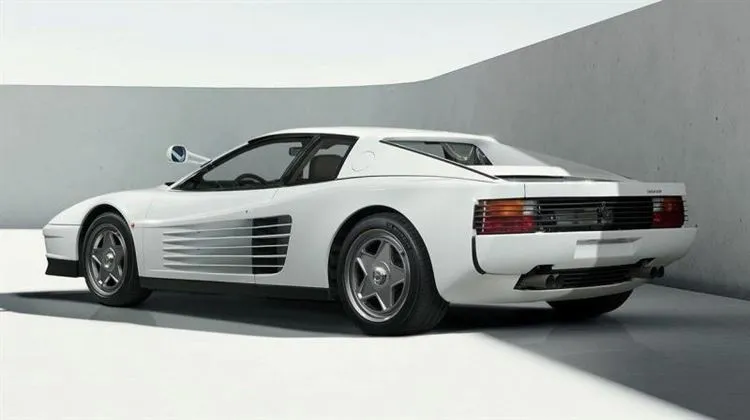
Work on the Ferrari Testarossa was carried out in the genre of intelligent restomoding, the essence of which is respect for the historical context of the donor car and bringing its style to perfection using modern components. In theory, such an upgrade could be carried out by Ferrari itself, but it is not yet engaged in such creativity, but Aston Martin and Jaguar Land Rover already offer upgrades for their classic cars and even re-release them – this is a separate, very profitable business.
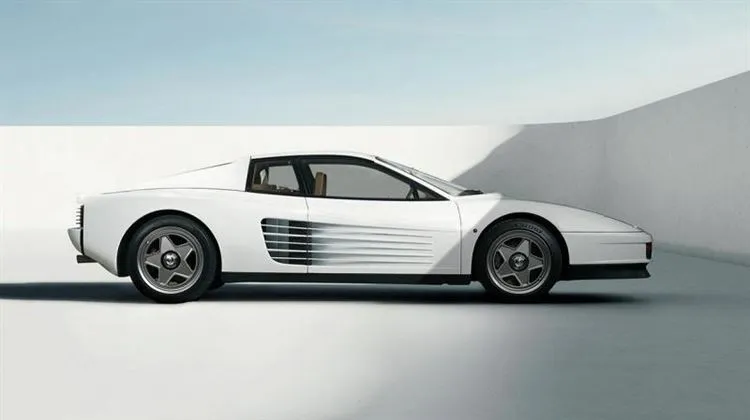
The Swiss have taken on the Testarossa with an early design that has only one left high-mounted rear-view mirror, but they don't say what year the original car was made.
In general, the Ferrari Testarossa debuted in 1984 and replaced the Berlinetta Boxer coupe, retaining its basic layout and a 12-cylinder petrol boxer “aspirated” with a formulaic pedigree. The main technical difference between the Testarossa and the Berlinetta Boxer was the redesigned engine cooling system with side radiators, which determined the characteristic appearance of the Testarossa with a wide stern and “cheese graters” on the sides.
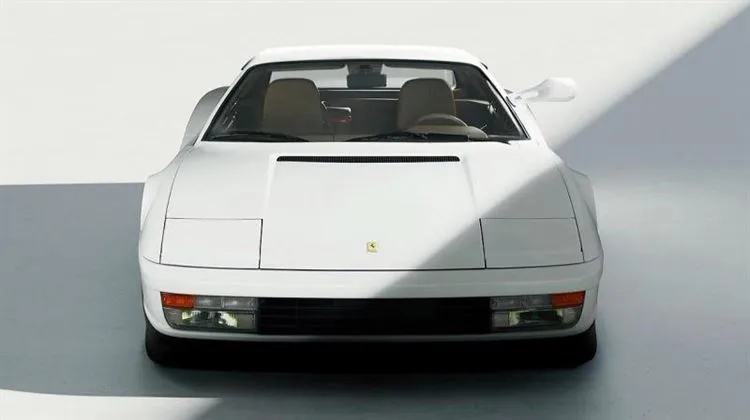
Under the name Testarossa, this model was known until 1992, in which, after a slight restyling, it was renamed 512 TR, and in 1994, after another update, it became known as the F512 M and in this form lasted in production until 1996 inclusive (the total circulation was about 10,000 copies). But the peak of the model's fame came precisely in the 80s, when it was considered one of the most expensive and fastest production cars.
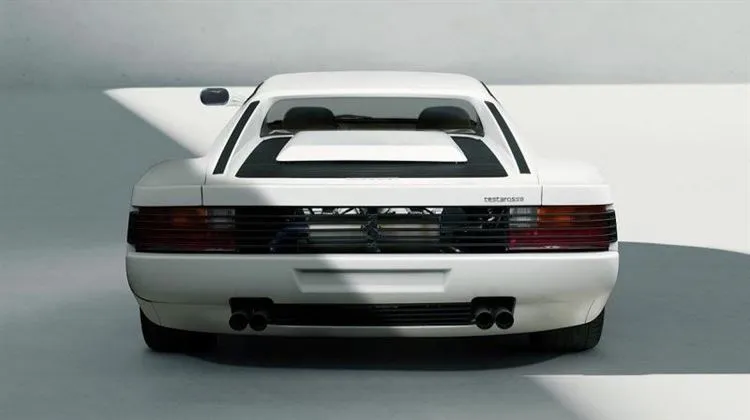
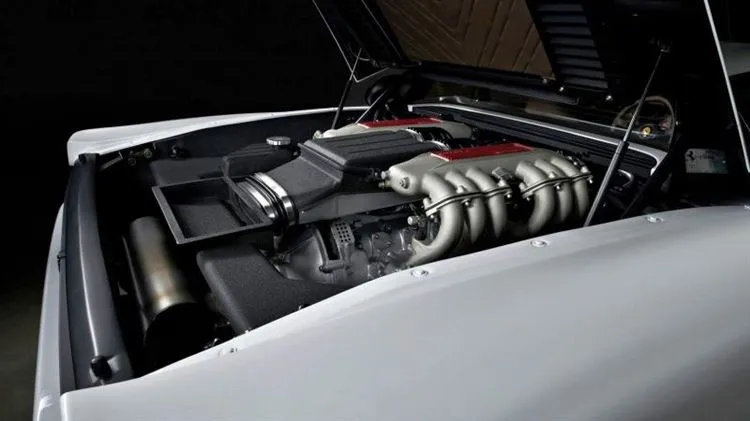
The 4.9-liter boxer in the 80s produced a maximum of 390 hp on the Testarossa. and 490 Nm. Up to 100 km / h, the car accelerated in 5.8 s, the maximum speed was 290 km / h. Officine Fioravanti has upgraded this engine and now it produces 516 hp. and 599 Nm, thanks to which the maximum speed increased to 323.5 km / h. The gearbox is still a 5-speed “mechanics”.
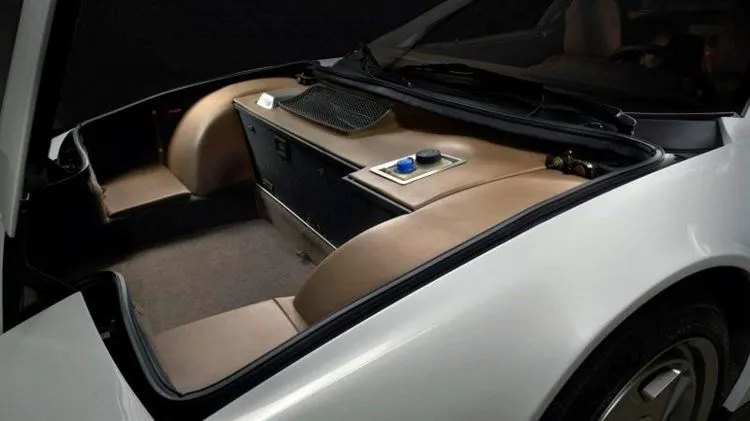
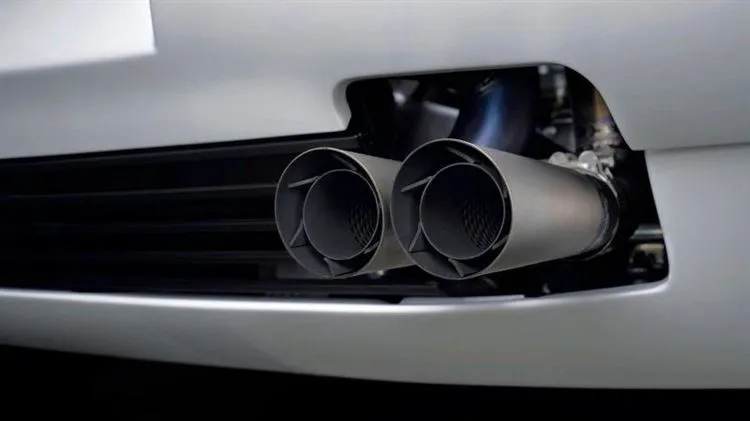
The list of improvements also includes a titanium exhaust system, ABS and traction control, Öhlins adjustable dampers with a 70 mm front-lift function (for speed bumps), adjustable anti-roll bars, powerful Brembo brakes and advanced flat-bottom body aerodynamics, which, however, did not affect the style of the car. The only cosmetic improvement that the developers have allowed themselves on the exterior of the Testarossa is new wheels, 17-inch front and 18-inch rear, instead of the original 16-inch ones, while the old-school wheel design has been preserved. But Michelin racing tires are modern.
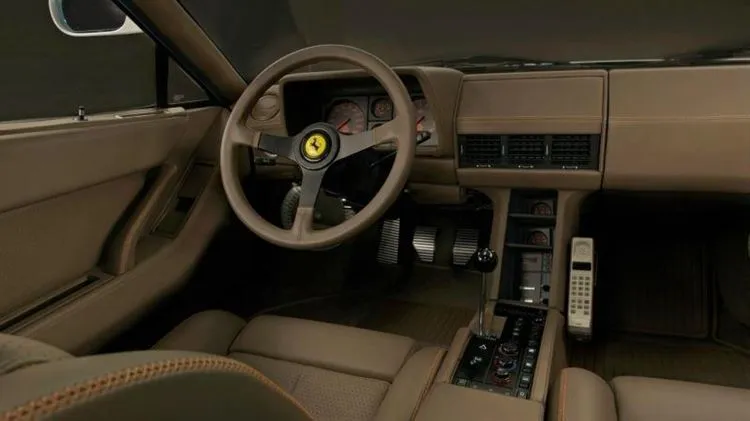
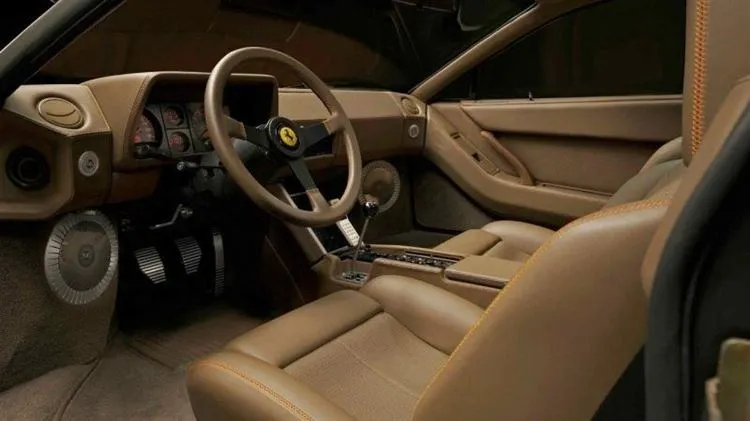
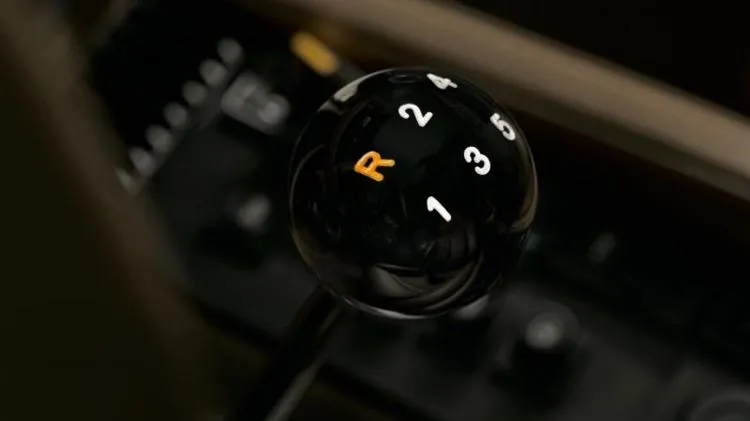
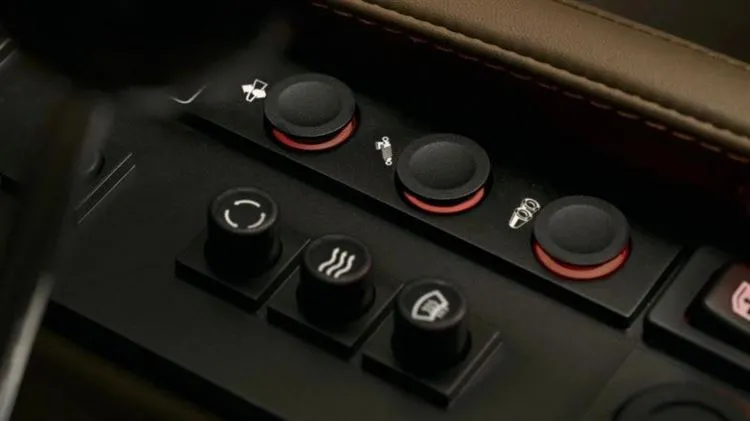
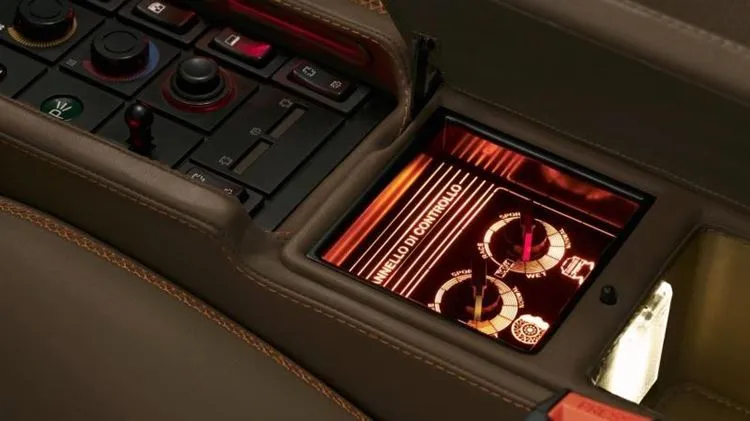
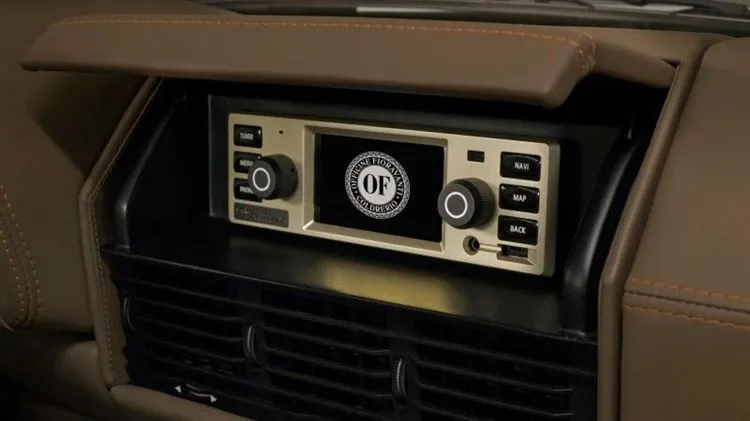
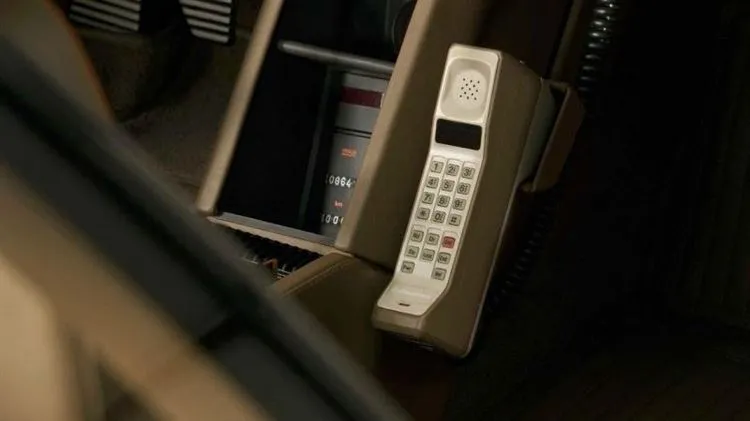
The interior retains the original boxy design, but gets new leather upholstery and rugged '80s plastic panels replaced with neater aluminum trim. Under the cover at the top of the center console is a modern multimedia system, but with a retro head unit design. The old handset received a new filling with a Bluetooth module. A remote control with driving electronics adjustments has been added to the central tunnel.
It is curious that after the modernization, the Testarossa lost 130 kg, which, presumably, favorably affected its dynamic qualities. The original sports car weighed a little more than 1.5 tons, and now, therefore, less than 1.4 tons.
Officine Fioravanti has not yet announced the cost of the project and the estimated circulation. The specific price will obviously depend on the price of the original car. It is not easy to find Testarossa in good condition on the secondary market now, good copies at auctions cost under 200 thousand dollars. We think that you should think about buying a restomod with at least a million dollars in your pocket.
