
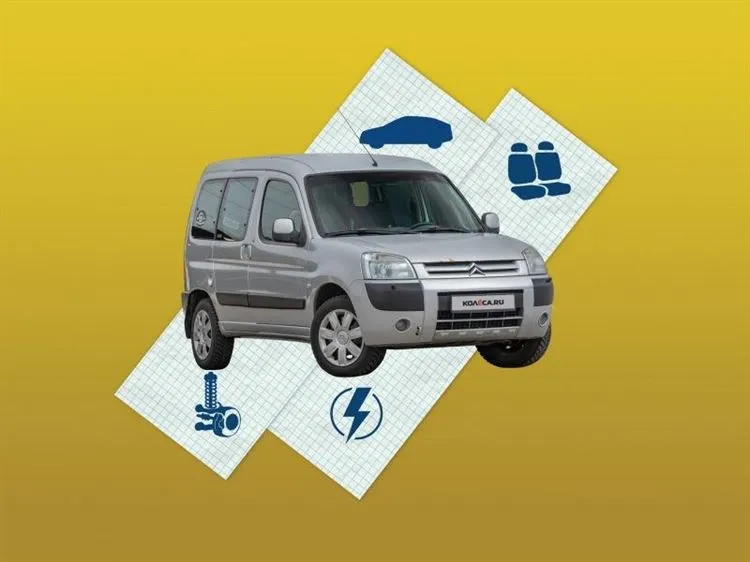
Citroen Berlingo I with mileage: the body cannot be intact, and the electrician is not so simple
The new Largus, even in the “bare” basic configuration, by the fall of 2021, has already risen in price to almost 800 thousand conventional units. A used Citroen Berlingo or Peugeot Partner can be easily found for 300-250, and outwardly the cars look quite cheerful. Does it make sense to contact and what will you have to face? In the first part we are talking about the body, electrics and interior. In the second – about the chassis, transmission and motors.
Technics
The base for creating the model was chosen as a passenger car – from Peugeot 306. With Peugeot Partner Citroen Berlingo – twin cars: they differ only in external design and trim levels. Suspensions, front spars, body cups here from the passenger model, even the floors of the front of the body are the same, but then there is a loading platform of a typical pickup design with a flat corrugated floor of such a size that a standard pallet stands on it.
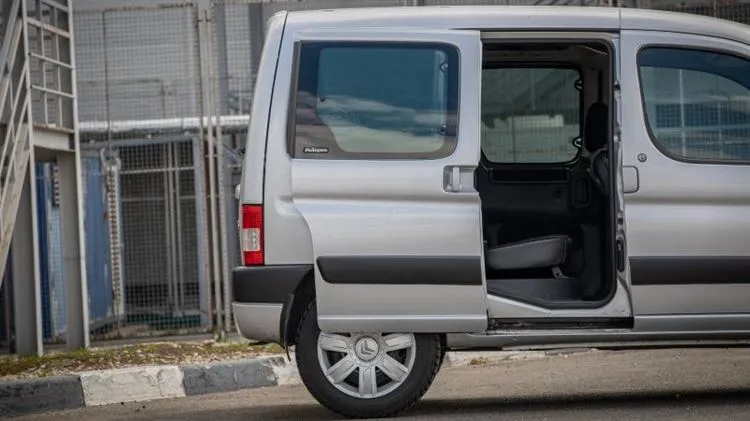
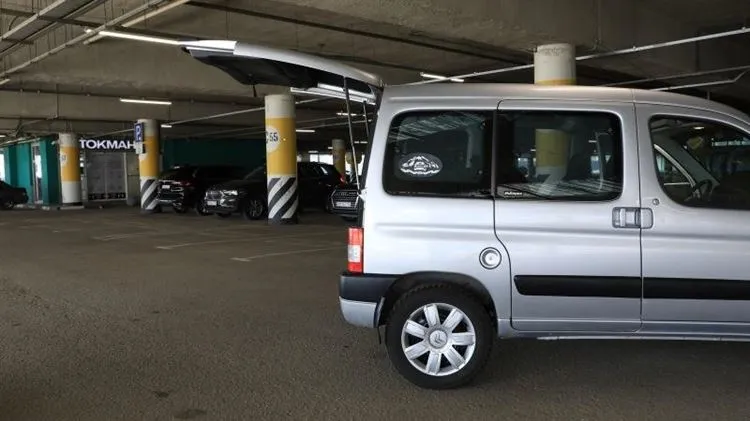
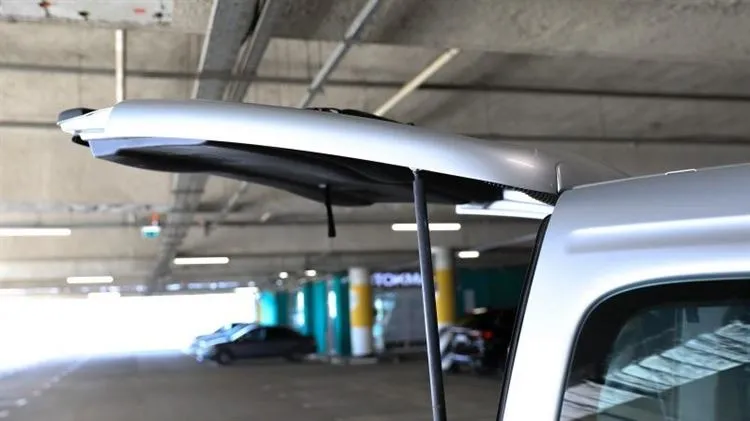
The number of body options is quite large. There are options with two, three and four side doors, and the rear doors are standard sliding, and the tailgate can be hinged on vans or lifted on passenger options. The salon can be double with a deaf back part, and can be five- or even seven-seater passenger. The car could even have a soft roof section or a panoramic sunroof over the cargo hold. Since the model is budgetary, then, of course, no aluminum in the construction – everything is strictly steel.
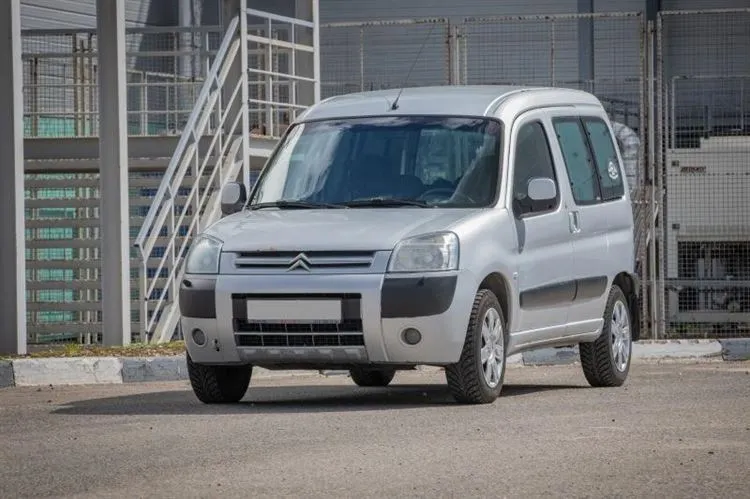
In terms of technology, everything is quite simple, here all elements are inherited from the Peugeot 306 and Citroen ZX and even the older Talbot Horizon / Peugeot 309 platform on which they were created. Front suspension MacPherson strut, rear – trailing arms with torsion bars.
Gasoline engines 1.1 liter TU1M+ 60 hp, 1.4 liter TU3JP 75 hp and 1.8 liter XU7JB 90 hp (all 8-valve), and 1.6 TU5JP4 109 hp. – 16-valve. Diesel engines 1.8 and 1.9 for 58, 68 and 69 hp series 161A, XUD9SD and DW8 are also 8-valve, prechamber-vortex. Turbodiesels 1.6 series DV6TED4 and 2.0 DW10TD in versions 75 and 90 hp – already with a Common Rail power system. Gearboxes are also light, BE4 / MA5 in versions with a shift mechanism with a bar and with cables.
Due to the very long release date of the model, it was modernized three times with the update of on-board electronics, which will be discussed in more detail below.
Timeline
July 1996 The Berlingo/Partner family of models is presented to the public at the Paris Motor Show. Two body styles, passenger and van. Gasoline engines 1.1 and 1.4 liters with a capacity of 60 and 75 hp, diesel 1.8 liters with a capacity of 58 hp. The junior motor comes with a 4-speed manual gearbox, and all the rest come with a 5-speed one.
January 1997 Diesel 1.9 liters 68 hp became available.
March 1997 Launch of the Multispace version with a folding soft roof section.
Summer 1997. The advent of all-wheel drive cars from Dangel – the option is available with a new 1.8 90 hp gasoline engine at that time. and diesel 1.9.
October 1998 The 1.8-liter engine is also available for front-wheel drive versions of the car, only in the top configuration.
November 1999 Serious upgrade of electronics. The cars received a completely new electrical system based on the BSI intelligent unit and the BSM switching module in the engine compartment. At the same time, until the end of 2000, versions of the car with 1.4 and diesel 1.8 and old electronics will be on sale. New 2.0 turbocharged diesel engines with 90 hp common rail injection are available. 1.1 liter engines are no longer offered.
December 2000 The appearance of the Modutop roof with five hatches and built-in drawers, the appearance of a new 1.6-liter gasoline engine with 109 hp.
October 2002 Facelift model. New body code M59 with a more modern look, wider headlights and an updated interior. The engine range has changed a lot. The 1.4-liter engine received a new control system and increased traction. Gasoline and diesel engines of 1.8 liters are completely discontinued. In the new line of engines, gasoline 1.4 liters 75 hp. and 1.6 liters 109 hp, diesel 1.9 68 hp and 2.0 90 hp The all-wheel drive option remained only available with the 2.0 diesel.
October 2005 Second restyling. New sliding doors, minor changes to the exterior and interior. New generation electronic systems – BSI and BSM modules of the second generation and functionality in the form of cruise control with a limiter, new multimedia systems, ESP, rain and light sensors. Diesel engines 1.9 and 2.0 were replaced by a 1.6 turbodiesel of the DV6 family in 75 and 90 hp versions. All-wheel drive versions are no longer available.
June 2008. In connection with the launch of the second generation of the model, the first is limited to the basic configuration of the Berlingo First with two engines – 1.4 and a diesel engine 1.6 75 hp. The cars were produced in parallel with the second generation until the end of 2009 in Europe, in Argentina, production continues to this day (as of September 2021, the Multispace XTR version with 1.6 HDI is available).
Body
External panels
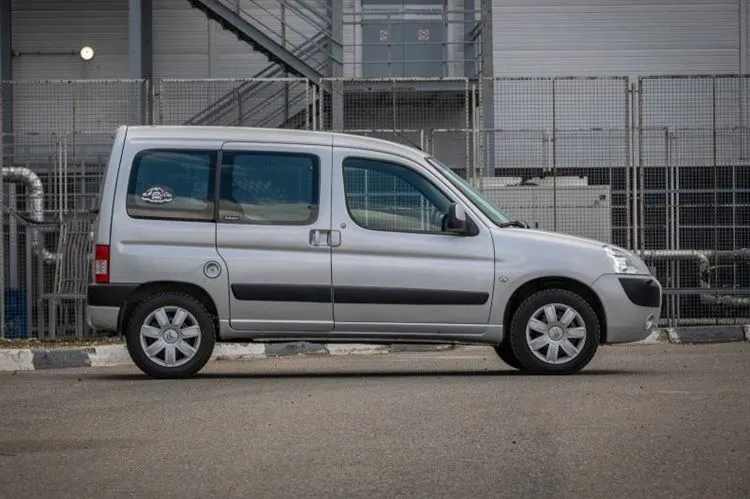
It is useless to look for the perfect Berlingo in our area – it is unlikely that a collector's item will come across. These cars were used very actively, and the mileage already on delivery from Europe often exceeded 300 thousand, plus the same amount may well have been rolled in recently, given the age. The oldest copies after restyling have already overcome the bar of 15 years, and the early pre-style cars are approaching the 25-year threshold. Something relatively alive can be found only among the cars of the last years of production, miraculously found themselves in caring hands and do not roll hundreds of thousands a year.
In general, let's say right away: small pockets of corrosion should not confuse you, just as the current owners do not confuse the painting with a roller and all kinds of scratches and dents. When buying, it is only about checking the main power elements and the general safety of the body panels so that they are not repaired using the “putty on a newspaper” or “paint on rust” method.
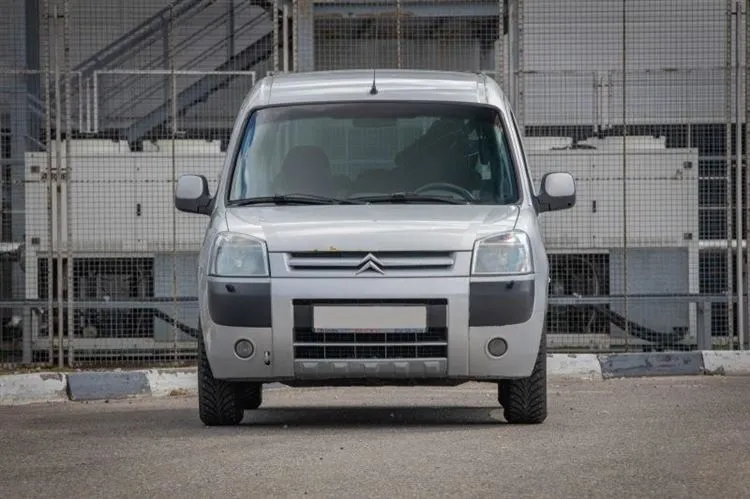
An acceptable appearance is possible only for cars after the second restyling and used by private traders. Of course, the galvanization of most panels and the generally simple body architecture leave some chances that an earlier copy will also come across in a relatively “live” form, but you should not count on this.
Windshield
price for the original
21 132 rubles
Although rust spots can be almost everywhere, attention should be paid to those that affect the power structure of the body. First of all, look at the frame of the windshield – they change it often, damaging the paintwork, and nobody canceled the chipped paint along the upper edge.
Thresholds are also a very problematic and loaded area, visible from the outside, and for versions with additional sliding doors, replacing thresholds is a rather complicated process that rarely anyone performs with high quality, while maintaining connections between all internal structural elements. Thresholds rot from the ends in the arches, as well as from the inside due to accumulations of dirt. Well, an attempt to raise a loaded van on a jack ended in a breakdown of the threshold on new cars. By the way, if desired, the jack can be brought under the suspension arm from behind and in front.
The front and rear arches rot from the outside quite slowly, and due to the design features, this is not a problem – the inner arch is well accessible from the inside of the body, and its rolled joint is far from the outer edge. Be sure to check the seams of the rear door opening and the integrity of the front openings, the condition of the seams of the windshield pillars. With regular overloads, these body fragments are damaged.
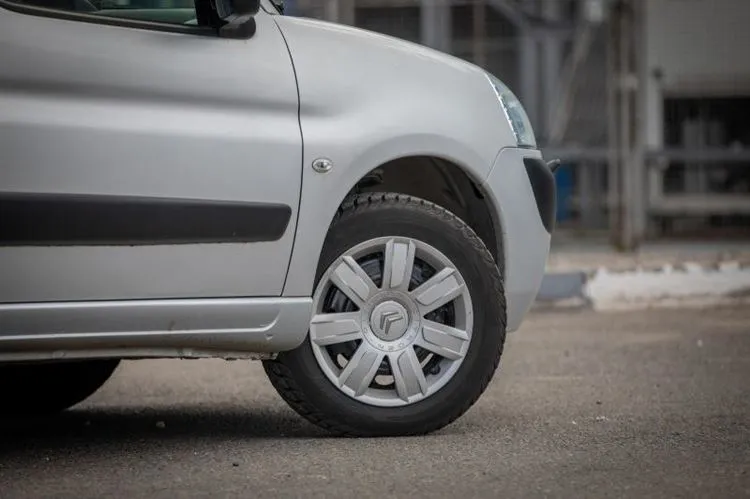
The condition of the remaining elements is not so critical. Of course, the bottoms of the doors along the rolling, the front edge of the hood from the inside, the rear doors and the hinged and lifting ones, the areas around the handles, all parts of the body near the sandblasting areas and the lower part of the door openings rust, but these are trifles against the background of damage to the supporting structure. This kind of damage is typical of Berlingo and Partners even in an ideal climate and delivers only cosmetic troubles.
Bottom
Even cars of the last years of production are not worth buying without inspection on a lift. Damage to the floors of the body, spars, internal arches at the rear on cars produced in 2002-2008 is almost always there. Cars before restyling without overcooked floors and arches are simply not found in nature.
Since the French put a fairly thick layer of mastic on most of the power elements, you will have to poke with a screwdriver during inspection and tap with a hammer to your heart's content. Often there is no metal under the bituminous layer, and what seems to be a solid structure simply crumbles in the hands. The entire rear part of the body, the rear wheel arches along the lower part along the spar and the attachment points of the rear suspension, body floors, longitudinal floor spars – all these elements can turn out to be “in dust”.
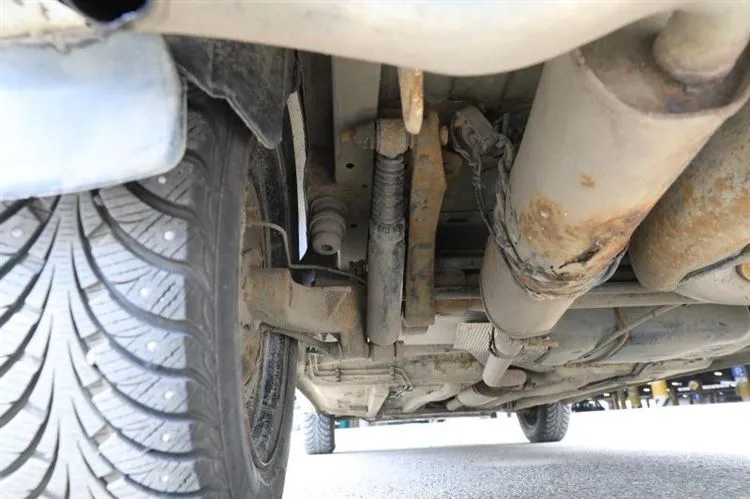
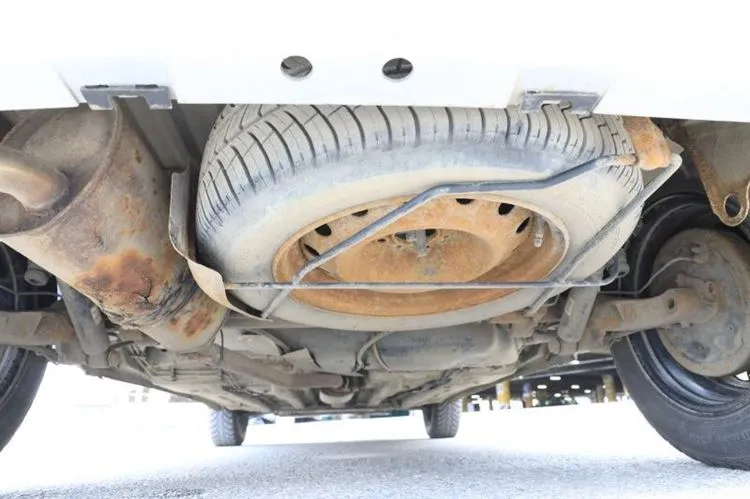
Cargo vans without internal thermal insulation often have better floor conditions than utility vehicles, which have a lot of condensate and access to the body floors from the inside is worse. Yes, and the tightness of the body of the passenger-and-freight versions is worse than that of the vans, due to additional doorways.
Sliding door openings and roof joints are actively leaking. Water in the cabin for Berlingo is the rule rather than the exception. The very construction of many superimposed panels, fastened to the floors of the body from the passenger car, leaves a bunch of gaps without sealant, and the study of the openings turned out to be very mediocre. Let's add here more antifreeze leaks from the “stove” heat exchanger on many cars. If the floors have not been dried, then under the carpets there will be deep corrosion, dead wiring and puddles. The mats on the floor have a base of foamed polypropylene and are covered with felt, they perfectly absorb moisture, but do not give back.
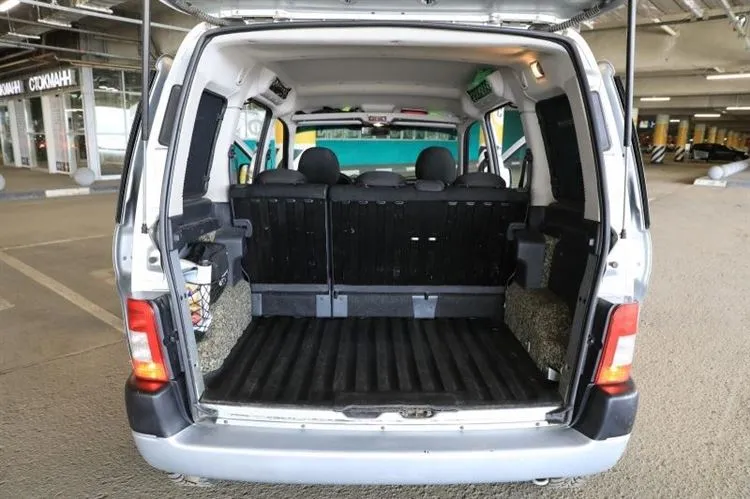
Inspection of the interior from the inside is also required. If they let you lift the carpets during inspection – fine, but if not, then at least squeeze the foam rubber in the legs of the driver and passenger, check the rust on the seat mounts, lift the cargo compartment cover, carefully inspect the threshold niches, the joints of the rear arches and floors in the cargo compartment, and also the junction of the floor and side panels of the body.
In the engine compartment, it is worth first of all to check the condition of the body cups. Cars after restyling should not have corrosion here: the three-layer cup panel is reinforced, and if there are traces of rust, then it can be removed only by drilling out the entire panel and replacing it with a whole one. This, to put it mildly, is difficult, there are no new panels, there remains a ghostly chance to find it at disassembly. It's easier not to mess with machines where the cups have already “gone”.
Front wing
Price for non-original
5 199 conditional units
Corrosion of the inner wing panel, which is a power element here, is treated much easier and does not pose a particular problem. Usually, the area between the cup and the inner arch is damaged, which rusts on both sides at once and below, at the junction with the threshold and the wing, where dirt accumulates even with a whole locker. But many cars have no locker for many years.
The overhead niche is also worth inspecting: garbage accumulates in it, clogging the drains. Corrosion is rare, but if it is, then the junction of the cup and side pocket will be difficult to save.
In general, the body is quite simple in design and can be repaired well. The most difficult part of it is the front cups and sills, they are multi-layered. The rest of the elements are simple in shape and well accessible. This allows you to keep the machines in a state of “on the go” in regions where body work is inexpensive.
In large cities, buying a patched-patched car does not make much sense. Any additional seams will bloom and the car will rot very quickly, and the repair work will cost more than the car itself.
Body equipment
As with any space run commercial vehicle, the average condition of all equipment is very poor. There are much more breakdowns than passenger models of the same years. Do not believe the odometers – the runs roll up easily and without a trace, and 200-300 thousand kilometers for cars manufactured in 2007-2008 is more the norm than the exception. What is the mileage of the cars of the early 2000s and 90s, you can guess for yourself.
It is not always clear why there are so many breakdowns of one of the elements. Maybe it's really unreliable, or maybe it's just normal wear and tear. So, breakdowns of headlight housings, at first glance, are a systemic problem. All owners complain about cracks and the need for restoration. But with runs of 300+ and purely urban operation, and even with a shortage of spare parts, this is generally the norm. Especially with frequent minor accidents, rubbing and other “joys” associated with the traveling work of cars.
Here, a rubbing and weak windshield to a greater extent is a problem of design, aerodynamics and the “softness” of the glass. And the failures of the wiper trapezoid are more likely, again, a consequence of large average runs. It's good that many small parts here are from Xantia / ZX, as well as Peugeot 306 or 206.
If you try to highlight some points against the background of resource failures, then cars with a sliding door until 2005 have a very capricious mechanism. The sealing is insufficient, in the conditions of a snowy winter it will be necessary to wash and “silicone” every week.
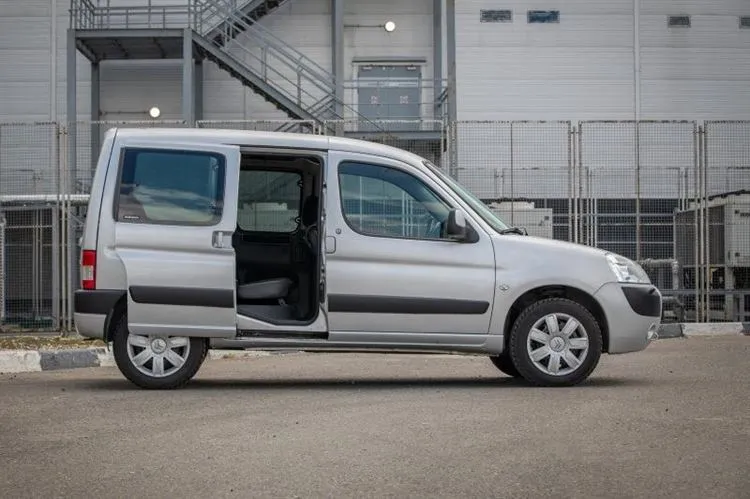
French bumpers have very fragile outer shells and weak mounting brackets. Moldings are held rather weakly, body kit elements are lost regularly. Unified “all-French” foglights are disposable and require regular replacement (and it's good if they exist at all). The light is weak, in cars before restyling, the headlights do not shine at all, and in restyling, the reflector simply burns out over time and the plastic of the headlight is overwritten, it is better to change to new ones than to pick up whole and not burnt ones among used ones. Fortunately, even the original ones are inexpensive – a little more than ten thousand conventional units, and the choice of Taiwanese is huge. Hella from passenger versions is already twice as expensive, but, they say, it shines better.
Vibrations of mirrors appear constantly, with old diesel engines it is useless to fight the phenomenon. The quality of the door seals is very low, the howling of the wind at speed and drafts are rather the rule. Berlingos are generally very noisy – both in terms of engines and chassis. Installing additional noise insulation is almost useless, even a couple of tens of kilograms gives only a pleasant decrease in tone, but nothing more.
Wheels on cars produced before 2005 without a central hole, so “not only everyone” can balance them. Even official dealers often do not have the necessary equipment in good condition. Someone drills disks, someone buys an adapter and carries it with them, and in many city cars the wheels are not balanced at all. So do not be surprised that there are complaints about the steering racks, tips and suspension (which we will talk about in detail in the second part).
A breaking antenna on the roof is an eternal headache if the car spends the night in the garage, the design is too rigid and uncomfortable.
In general, it’s probably better to say “thank you” to PSA for the fact that most of the cars on sale are in “bare” trim levels, without any electric drives and heating, otherwise the list of problems would probably be much longer. Berlingo is the case when “there is nothing to break.”
| Detail | original price | The price of the original | Price of non-original 2 |
|---|---|---|---|
| Body parts | |||
| Headlight halogen | 8 678 | TYC 5 913 | Hella 17 302 |
| Windshield | 21 132 | Pilkington 20 997 | Spektr 8 495 |
| Front wing | Out of stock | Gordo 4 136 | Fire 5 199 |
| Front bumper | 17 527 | Eurobump 3 659 | Signeda 7 164 |
| Hood | 37 859 | AVG 11 143 | Flash 21 300 |
Salon
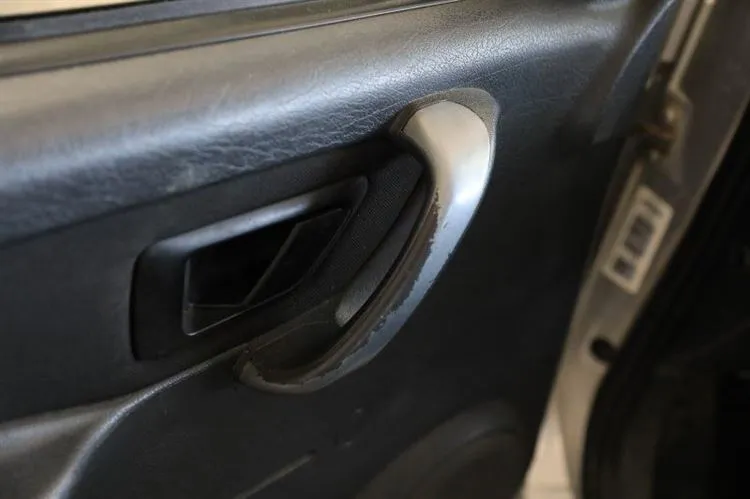
The plastic of the steering wheel, worn to the base, extraneous buttons and stale seats with holes in the skin are waiting for you in most cars. Even the cars of the last years of production are often already in a sad state – commercial operation, huge mileage, careless drivers and the “just to drive” style of service leave little chance. For private owners, passenger versions hold up well up to runs over 200+.
A rude attitude can break anything, and mechanical windows fly, and simple climate control units break – the plastic just can't stand it. The wear of elements at high mileage creates fantastic breakdowns. So, the “dragonfly” – a block of steering column switches – with runs of 500+ loses the fixed positions of the turn signals, stops turning on the high beam, and the turn signal snap-off mechanism also stops working.
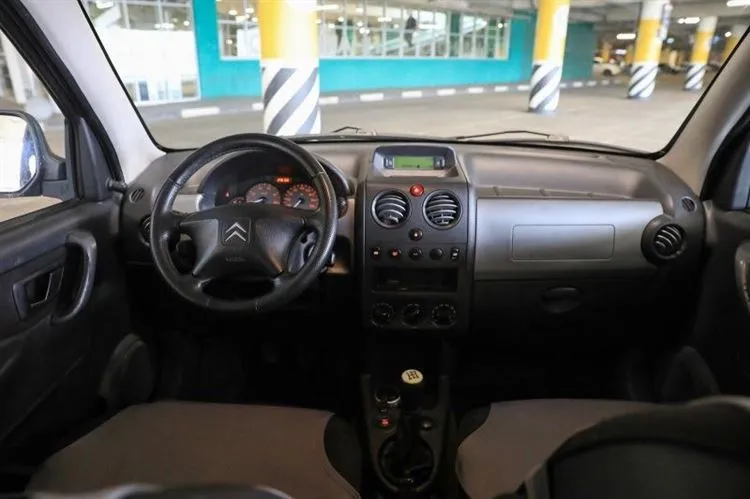
Dashboards give up at very high mileage. You can put the option from the Peugeot 206, but the compatibility is incomplete, and repairs are expensive – many cars drive with non-working fuel level sensors, temperature sensors, and more.
At the steering column, the play of the cardan shafts becomes huge and clearly noticeable over time. The airbag cables are completely erased, they are repaired several times, sometimes cutting off the edge of the cable so that the steering wheel begins to break it when turning, and the signal in the steering wheel has worn out contacts. The ignition lock is loosened to the state of “start with a screwdriver”, and the contact group is changed several times.
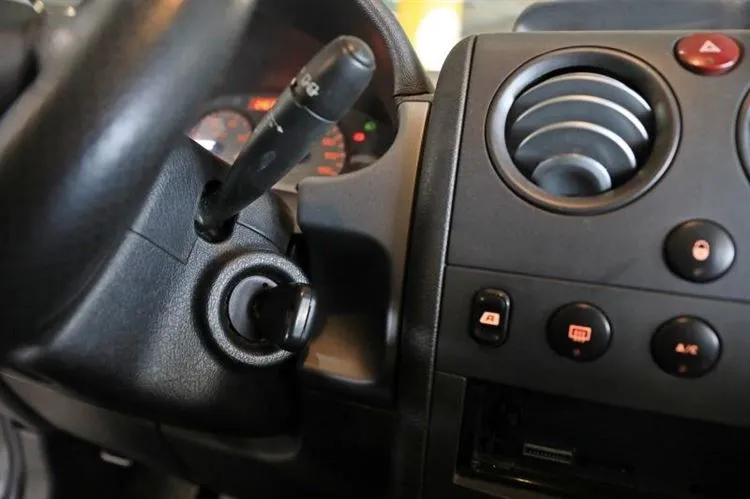
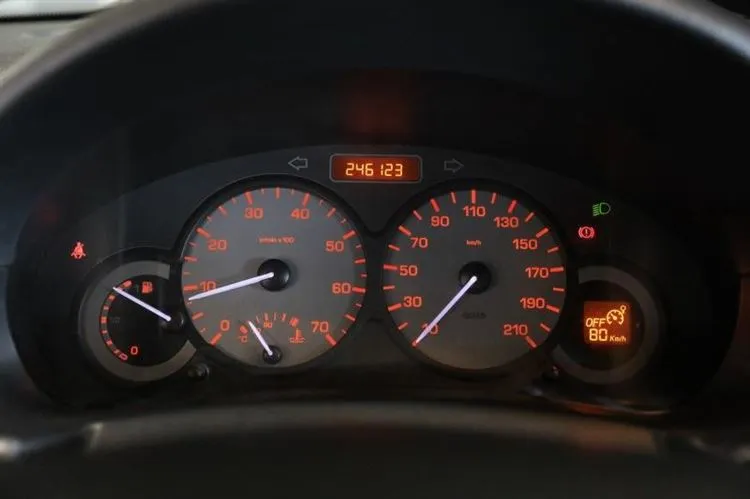
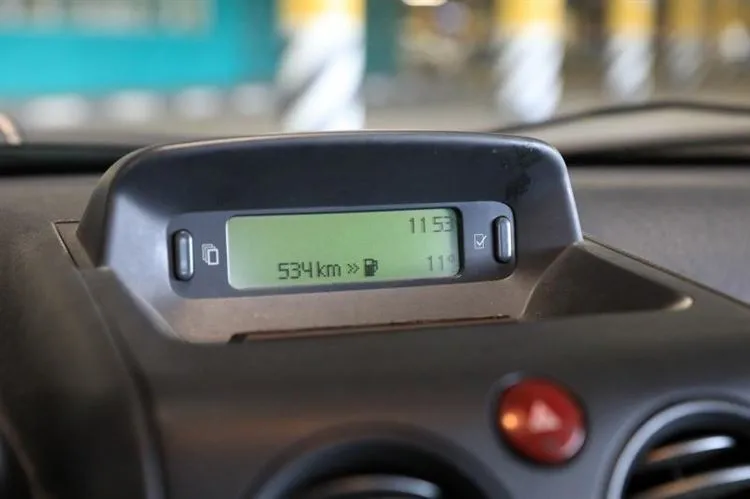
The good news is that many Citroen models on this platform have long been mastered by Dongfeng in China, and almost all electrics are sold there, both for options before the introduction of BSI and after. Including from China, you can order for modest money (about 2 thousand conditional units) and an ignition contact group. About the same cost are paddle shifters, steering wheels and much more.
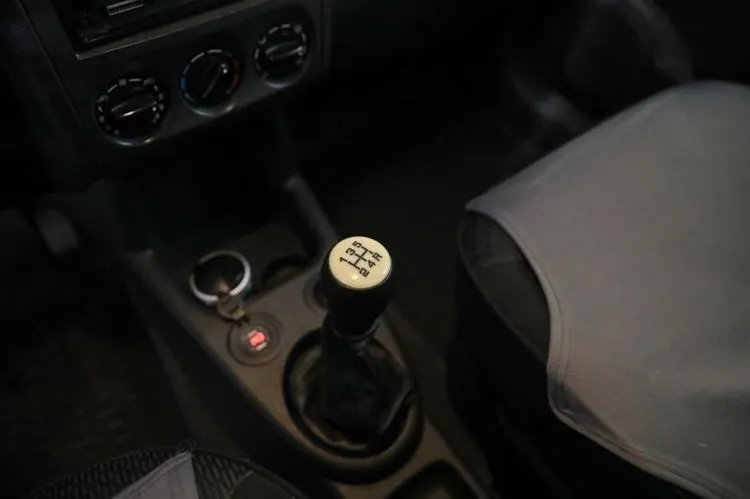
A loose gearshift mechanism is the rule rather than the exception. The backstage ball wears out, the mechanism itself in the engine compartment is broken – it disassembles itself, and the rods scatter from wear. Versions with a cable drive from passenger versions with a 1.6 diesel engine are more reliable, but there the mechanism turns sour over time, and the ends of the cables fall off.
The climate is quite simple and reliable. Stove leaks are most often associated with a rare replacement of antifreeze and leaky joints of plastic and aluminum, o-rings, as on later machines of the PF2 platform (for example, Peugeot 307 and Citroen C4), are not here. Valve and cable failures are usually the result of brute force and corrosion of cable jackets due to windshield leaks. The air conditioner does not break down for a simple reason: as a rule, it is not here.
Electrician
Electrically, machines can be divided into two generations: before the introduction of the BSI unit and after. And models with BSI, in turn, for two periods: before 2005 and after.
Cars until 2000 (or until 2001, if we are talking about a 1.4 engine and 1.8 diesels) have old-fashioned on-board electrics, the main problem of which is weak wiring, immobilizer module failures (it is separate here and is untethered from the Motronic MP7.3 engine ECU), problems with the wiring of the fuel pump and fans.
The wiring in the cabin suffers primarily from moisture under the carpets and body structure – just moisture from the doorway gets into its box. The wiring of the engine compartment simply crumbles from old age, but it is very simple there, since 1.1 single injection and simple distributed injection on 1.4 engines cost a minimum number of sensors. Diesel engines have even less wiring, and only a broken wire to the shut-off valve of the fuel system will lead to engine failure.
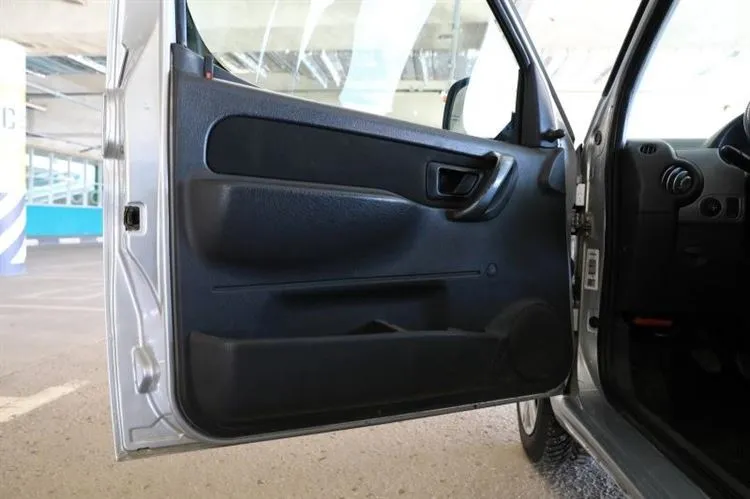
The wiring to the fuel pump is already terrible on the very first cars: failures due to relays or corrosion of the fuse box and pads on the pump itself happened even before the advent of BSM.
Reduced speed resistors burn out at the fans, and the Bitron fan control unit is located in such a “good” place as the left wheel arch, where its contacts and all wires at this age turn into an oxide layer, and the unit itself is usually not recoverable due to for board corrosion.
Headlight halogen
price for the original
8 678 conditional units
Smaller failures are also almost mandatory. Breakage of the backlight, wiring to the rear and front lights, non-working ABS units – this is all typical. No one bothered if something “not very necessary” broke.
Upgrading the electrical system to a more intelligent one in 1999-2000 was at first a nightmare for all owners of French cars. Even now, when second-hand BSI/BSM blocks of the latest generations are inexpensive and widely available, and they can be re-flashed, this is still very troublesome. Constant failures haunt the owners, and even the increased quality of the wiring does not fix the problem. Any power failures, lighting or low batteries can cause a huge list of troubles: “losing” keys by the unit, accidentally turning on headlights, non-working locks, wipers and lights.
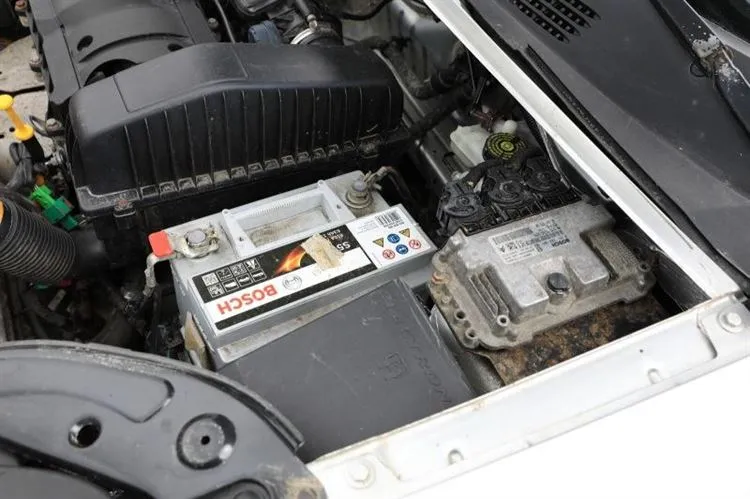
The trouble mentioned above with the tightness of the body adds to the headache: the BSI and BSM blocks are often flooded, and they are very afraid of moisture. A little more detail about these blocks and the difficulties associated with them is written in the material about the Citroen C5 I.
Updates in 2005 dramatically reduce the severity of all problems in terms of electronics. Those breakdowns still happen, the non-replaceable relays of the BSM block come around with age, but there is no longer the feeling that the machine is ticking and something is about to happen. Fewer BSI software failures, less sensitivity to power failures, better tightness and contact corrosion protection. From this point on, the machine remains somewhat troublesome, but still adapted for daily use. On older machines, blocks are gradually being replaced with “late” ones, since this is technically possible.
Subtotal
The first generation of Berlingo and Partner have already reached the age when trouble-free operation can not be expected. There are chances to find something “live” at the upper limit of the market, and first of all, it is worth considering the most recent options – not only because of the age in general, but also because of the much more reliable electrics. In the second part, we will discuss the tricky running gear of these machines, as well as the engines and transmission.
