
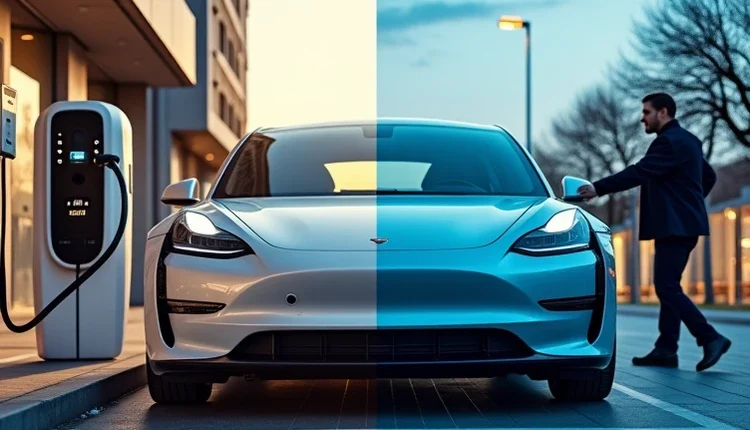
Electric Cars vs Hybrids: Economy and Efficiency
In recent years, the car market has experienced a real boom in electric and hybrid models. These vehicles promise not only environmental benefits, but also significant fuel savings. However, the choice between an electric car and a hybrid can be difficult. In this article, we will look at the key aspects that will help you make your choice.
🚘 Comparison of Electric Cars and Hybrids
Fuel Saving
-
Electric Cars: All-electric cars do not use traditional fuels and rely entirely on battery power to move. This means no petrol or diesel costs.
-
Hybrids: Hybrid cars combine a traditional combustion engine with an electric motor. They use less fuel than regular cars, but still rely on petrol or diesel.
Efficiency and Range of Movement
-
Electric cars: The average range on a full charge for modern models is between 250 and 500 km. Electric cars are ideal for city driving, but can cause “range anxiety” on longer trips.
-
Hybrids: By combining an electric motor and a combustion engine, hybrids can travel significantly further without needing to refuel or recharge. They are well suited for long-distance travel.
Maintenance and Operation Cost
-
Electric Vehicles: Electric vehicles have fewer moving parts than traditional cars, which reduces maintenance costs. However, battery replacement costs can be high.
-
Hybrids: Hybrid vehicles require maintenance for both the traditional and electric parts, which can increase overall operating costs.
Impact on the Environment
-
Electric cars: Considered more environmentally friendly as they do not produce carbon dioxide emissions while driving.
-
Hybrids: Although they produce fewer emissions than traditional cars, hybrids still contribute to air pollution.
-
Hybrids: Although they produce fewer emissions than traditional cars, hybrids still contribute to air pollution.
-
Hybrids: Although they produce fewer emissions than traditional cars, hybrids still contribute to air pollution.
🌱 Ecological Benefits
Environmental friendliness is one of the main arguments in favor of switching to electric cars and hybrids. This is especially true for cities in Germany, the United States and Europe, where increased attention is paid to reducing greenhouse gas emissions.
💰 Economic Aspects
When choosing between an electric vehicle and a hybrid, it is important to consider not only the initial purchase price, but also the long-term costs of fuel, maintenance, and operation. Electric vehicles can be more cost-effective in the long run due to their lower electricity and maintenance costs.
Infrastructure and Usability
-
Electric vehicles: Charging infrastructure development is progressing well in many countries, but accessibility remains an issue, especially in remote areas.
-
Hybrids: Hybrid cars do not require special charging stations and can be refueled at regular gas stations, making them more convenient for long trips.
Innovation and Technological Developments
Technological progress does not stand still, and manufacturers of both electric vehicles and hybrids offer advanced technologies to improve efficiency, safety and comfort.
🔄 Market Evolution and Trends
The global market is actively adapting to new environmental standards, and we are seeing a rise in popularity of both electric cars and hybrids. Large automobile concerns in Germany, the USA and other European countries are increasingly including these types of cars in their model ranges.

💼 What Choice to Make?
The choice between an electric car and a hybrid depends on many factors, including personal preference, driving style, and infrastructure availability. It is important to consider all aspects, from economic to environmental, to make the right decision.
🌍 Contribution to Ecology
- Electric cars: Are clean to operate as they do not emit carbon dioxide into the atmosphere. Their operation helps reduce overall pollution levels.
- Hybrids: Despite having a petrol engine, hybrids still reduce overall CO2 emissions compared to traditional cars.
💸 Long-Term Value
- Electric Vehicles: Despite the higher initial cost, electric vehicles can be more cost effective in the long run due to lower fuel and maintenance costs.
- Hybrids: Hybrids also offer fuel economy and can be less expensive to purchase than pure electric vehicles.
🚀 Technological Development and Innovation
Both types of vehicles are constantly being improved, including better batteries, greater energy efficiency, and the introduction of advanced driver assistance and safety technologies.

🔍 Conclusion
Ultimately, the choice between an electric vehicle and a hybrid comes down to individual needs and operating conditions. Both options offer their own advantages and can be a step towards a greener, more economical future.
