
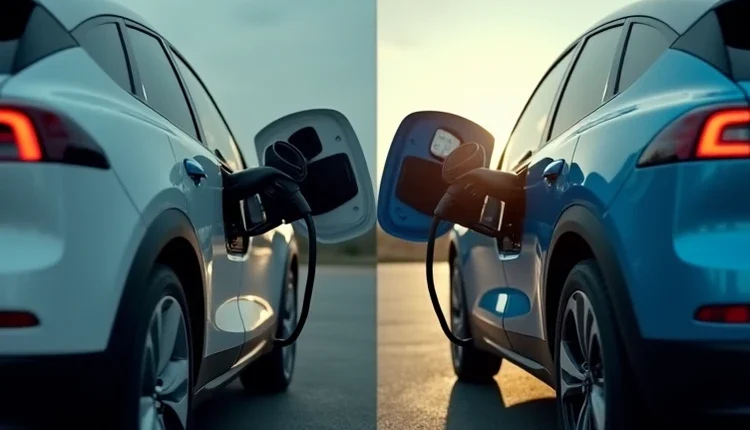
Electric vs. Gasoline Cars: Operation Analysis 🚗⚡️
In recent years, the car market has been experiencing a real revolution: electric cars are becoming more and more widespread. But are they worth so much more than traditional gasoline cars? Let's look at the operating features of each type of vehicle to make an informed choice. And if you are already considering a purchase, do not forget to select accessories for any type of car.
Cost of ownership and operation 🏷️💰
Electric cars:
- Purchase price: On average higher than petrol equivalents, but with government subsidies and incentives it becomes more affordable.
- Fuel Costs: No need for petrol or diesel significantly reduces monthly costs.
- Maintenance : Fewer moving parts mean less wear and tear and therefore lower maintenance.
Gasoline cars:
- Purchase cost: Typically lower than electric vehicles.
- Fuel costs: High, especially with oil prices constantly rising.
- Maintenance: Regular maintenance, oil changes, filters and other consumables increase the total cost of ownership.
Ecology and sustainable development 🌱🌍
Electric cars are often touted as a greener choice than petrol cars. They produce no CO2 emissions when in use, which significantly reduces air pollution in cities. However, it is important to consider the source of electricity used to charge the batteries: if the energy is produced in coal-fired power plants, the overall greenness is reduced.
Gasoline vehicles, despite improvements in filters and exhaust gas cleaning systems, still remain a significant source of emissions into the atmosphere.
Mileage and charging vs refueling 🛣️⚡️
Electric cars:
- Range: Modern models can travel up to 500 km on a single charge, which is suitable for most daily needs.
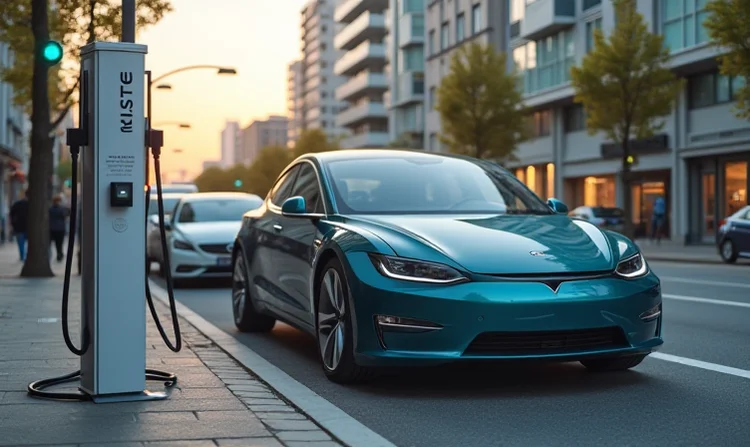
- Charging: Can take anywhere from 30 minutes to several hours depending on the power of the charging station.
Gasoline cars:
- Mileage: Limited only by fuel tank capacity and availability of filling stations.
- Refueling: Takes only a few minutes.
Ease of use and comfort 🚗💺
Electric cars and gasoline cars have their own unique advantages in terms of comfort and driving convenience. Electric cars provide a smooth and quiet ride, which is especially pleasant in urban conditions. Gasoline cars offer a more familiar driving experience and, often, more dynamic acceleration.
Secondary Market and Resale Value 🔄💲
Electric vehicles:
Due to rapid advances in technology and battery improvements, older models of electric vehicles can quickly become obsolete, reducing their resale value. However, as the popularity of electric vehicles increases, the secondary market for them is gradually expanding.
Gasoline cars:
Traditionally, they have a more stable demand on the secondary market, but with changing environmental standards and stricter emission regulations, their resale value may also decrease.
Development Prospects 📈🔮
The electric vehicle industry is booming, with promises of better batteries, longer ranges, and shorter charging times. New models with a variety of features and designs are also appearing on the market. At the same time, gasoline cars are making progress, focusing on improving engine efficiency and reducing emissions.
Conclusions and recommendations 🎯👨🔧
The choice between an electric car and a petrol car depends on many factors: personal preference, driving style, budget and environmental concerns. It is important to consider both the initial cost and the long-term operating and maintenance costs.
Environmental aspects 🌍♻️
The environmental aspect is key in comparing electric cars and gasoline cars. Electric cars are considered more environmentally friendly due to the absence of direct emissions of carbon dioxide and other harmful substances. However, it is worth considering the environmental friendliness of the production and disposal of batteries. While gasoline cars continue to be the main source of emissions into the atmosphere, modern technologies allow for a significant reduction in pollution.
Infrastructure and availability of charging/fueling ⚡️⛽️
For electric vehicles, the availability of charging infrastructure is critical. In cities and on highways, the network of charging stations is actively developing, but in remote areas, charging may be difficult. Gasoline cars in this regard benefit from a widespread network of filling stations.
Maintenance and reliability 🛠️🔧
Electric vehicles:
They have fewer moving parts and therefore require less maintenance than gasoline vehicles. However, the cost of replacing the battery can be significant.
Gasoline cars:
They require regular maintenance, including replacement of oil, filters and other consumables. But in case of breakdown, repair of a gasoline car can be more accessible and understandable for most car services.
Final opinion 🚗💡
The choice between an electric car and a petrol car depends on the individual needs and preferences of the driver. Electric cars are ideal for city driving and for those looking to reduce their environmental footprint. Petrol cars may be preferable for longer trips and in areas with limited charging infrastructure.
Cost of operation 💵🔍
When comparing the operating costs of electric cars and gasoline cars, it is important to consider not only the cost of fuel or electricity, but also the overall costs of maintenance, taxes, and insurance. Electric cars are often more expensive to purchase, but they are often cheaper to operate due to the low cost of electricity and fewer parts to service. At the same time, gasoline cars require higher fuel costs and regular maintenance.
Impact on the environment 🌿🌎
An important aspect of choosing between an electric car and a petrol car is their impact on the environment. Electric cars are considered more environmentally friendly, as they do not emit harmful emissions when driving. However, the production and disposal of batteries also have an impact on the environment. Petrol cars, despite modern exhaust cleaning technologies, still remain a significant source of air pollution.
Practicality and ease of use 🚘👌
In terms of practicality, choosing between an electric car and a petrol car also depends on the individual needs of the driver. Electric cars offer a quiet and smooth ride, quick acceleration and the convenience of home charging. However, range and charging time can be limiting factors. Petrol cars offer longer range and quick refueling, making them more convenient for long trips.
Conclusion 🎯🚗
The choice between an electric vehicle and a petrol car depends on many factors, including lifestyle, driving preferences, budget and environmental considerations. Both types of vehicles have their advantages and disadvantages, and the choice should be based on a careful analysis of individual needs and operating conditions.