
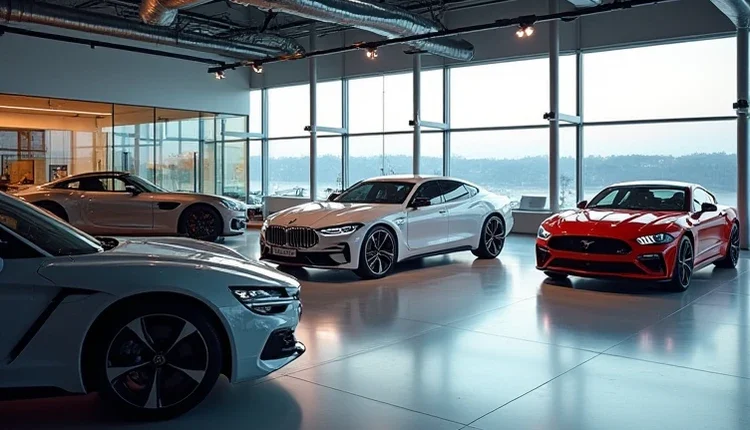
Popular Cars in Germany: Exquisite Choice and Innovation
Traveling on German roads is impossible without the characteristic contours of German cars. These cars not only symbolize engineering mastery, but also reflect the culture and preferences of the local population. But which brands and models are the most popular in Germany? And what makes them so special? You will find the answers to these questions in our review, and for those looking for the perfect car, we suggest choosing a car popular in Germany here.
🚘 German car brands: Synonymous with quality and reliability
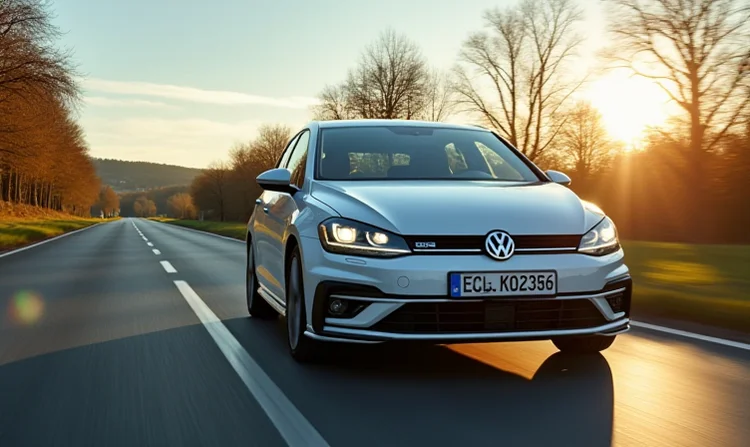
Volkswagen – Top Seller
Volkswagen is undoubtedly one of the most recognizable car brands in Germany. Models such as the Golf and Passat have long been classics and are popular due to their reliable quality, versatility and affordable price.
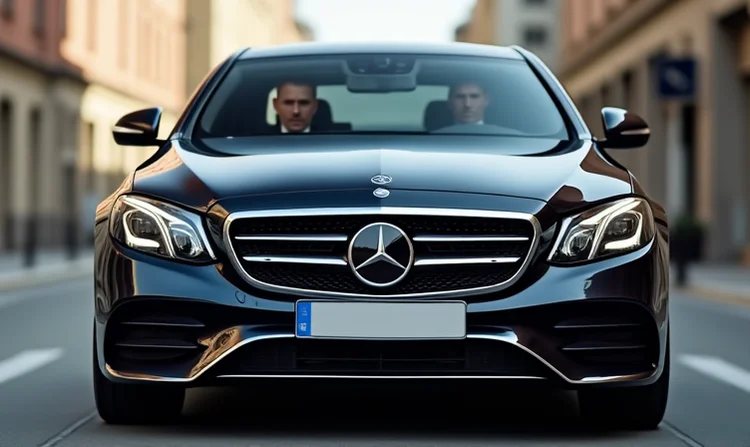
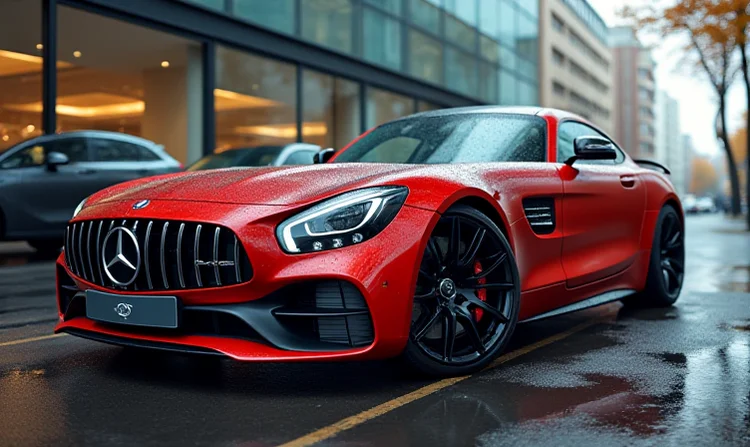
Mercedes-Benz – Icon of Luxury
Mercedes-Benz is known for its high-quality, luxurious and technologically advanced cars. The brand is chosen for its elegant design, innovative technology and outstanding driving performance.
BMW – Sporty spirit and innovation
BMW is synonymous with dynamic driving style and cutting-edge innovation. Models such as the 3 and 5 series provide a unique combination of comfort, performance and elegance.
Audi – Modernity and High Technologies
Audi attracts buyers with its modern design and advanced technology. Models such as the A4 and Q5 are popular for their stylish appearance and innovative features.
🛣 Cars for German roads: What do Germans choose?
German roads are known for their quality and the variety of scenery, from the Autobahn to picturesque country roads. That is why Germans prefer cars that provide comfort and safety in all conditions. High safety standards, fuel efficiency and ease of control are key factors when choosing a car for German roads.
🌱 Environmental trends: Focus on sustainability
The German car market is moving towards sustainability and eco-friendliness. The growing popularity of electric cars and hybrids reflects Germany’s commitment to reducing carbon emissions. Companies such as Volkswagen and BMW are investing heavily in the development of electric vehicle technology to meet these new trends.
🌍 The Impact of Global Trends on the German Car Market
Every year, the German car market is becoming more and more integrated into global trends. The increasing demand for cars with autonomous driving functions, as well as for connected vehicles, significantly influences the preferences of German car enthusiasts. Manufacturers such as Audi and Mercedes-Benz are actively implementing driver assistance systems and multimedia innovations in their models to remain at the forefront of the automotive industry.
💡 Technology and Innovation: The Path to the Future
German carmakers have always been renowned for their commitment to innovation. From cutting-edge safety systems to revolutionary developments in electric vehicles , Germany remains at the forefront of automotive technology. This not only strengthens their position in the domestic market, but also helps them compete on the international stage.
🚗 What does the future hold for the German car market?
When forecasting the future of the German car market, we can expect a strengthening of the trends towards environmental friendliness, technology and automation. The increase in the share of electric vehicles and the expansion of the charging infrastructure will facilitate the transition to more sustainable vehicles. In addition, the integration of modern technologies and digitalization will play a key role in the development of the automotive industry.
🌐 Influence of global trends
Global economic and environmental trends also influence the German automobile market. Increased interest in sustainability and environmental awareness encourages manufacturers to create more economical and environmentally friendly vehicles. This, in turn, leads to innovative solutions that will shape the future of the automobile industry.
📈 Electric vehicle market in Germany
The electric vehicle sector is booming in Germany. Manufacturers such as Volkswagen and BMW are actively introducing electric and hybrid vehicles into their model ranges. Government support in the form of subsidies and incentives is also contributing to the growing interest in electric vehicles. This trend reflects the global trend towards reducing carbon emissions and switching to cleaner energy sources.
🌱 Ecological aspect
Environmental initiatives such as reducing CO2 emissions and switching to alternative energy sources are having a noticeable impact on the German car market. Car manufacturers are increasingly focusing on developing environmentally friendly and efficient vehicles, which is in line with Germany's efforts to reduce its environmental impact.
🤝 Interaction with global markets
The German car market is closely linked to global trends and markets. This not only affects the export and import of cars, but also the exchange of technology and innovation with other countries. German manufacturers actively cooperate with international partners to ensure a competitive advantage in a changing world.
🚀 Prospects and challenges
The German automotive market faces a number of challenges in the near future, including the transition to electric vehicles, increased environmental protection measures and the introduction of new technologies. These changes will contribute to the development of new standards in the automotive industry and will set new directions for future growth and innovation.
🏁 Results
Analyzing the current situation and trends in the German automobile market, several key conclusions can be drawn:
-
Electric cars and sustainability: In Germany, there is a growing interest in electric cars, supported by government initiatives and environmental regulations. This not only reflects a desire to reduce the carbon footprint, but is also part of a global movement towards a more sustainable future.
-
Innovation and technology: German manufacturers invest heavily in research and development of new technologies, allowing them to remain at the forefront of the automotive industry. Modern technologies such as autonomous driving and improved safety systems are becoming a key factor in choosing a car.
-
Globalisation and cooperation: The German car market is closely linked to global trends, which entails active interaction and partnership with international companies. This facilitates the exchange of experience, technology and the strengthening of positions on the global stage.
-
Future challenges: The transition to electric vehicles and adaptation to changing environmental standards are among the main challenges for the German automotive industry. This requires not only innovations in vehicle production, but also the development of infrastructure for servicing and charging. In conclusion, the German automotive market continues to develop, focusing on ecology, innovation and global trends. This promises interesting prospects for the future of the automotive industry.
