
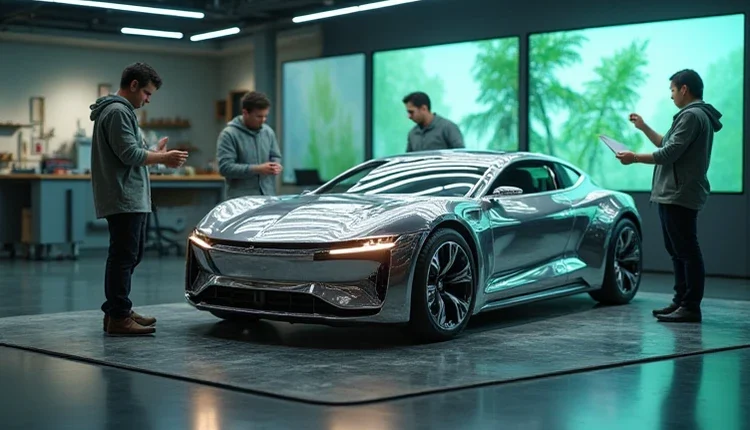
🌱 How Car Brands Are Adapting to Climate Change
In today's world, automotive brands face a major challenge: adapting to climate change. The answer to this challenge not only determines the future of the industry, but also affects the ecology of the planet.
🚗 Electrification of the vehicle fleet
🔋 Transition to electric vehicles
Most well-known car manufacturers are actively investing in the development and production of electric vehicles. Electrification of the vehicle fleet helps to reduce emissions of carbon dioxide and other harmful substances.
🌍 Contribution to environmental protection
Electric cars use renewable energy sources such as wind or solar power, making them more environmentally friendly than traditional cars.
💚 Sustainable production
🏭 Eco-friendly technologies
Car manufacturers are introducing new green technologies into the production process. This includes the use of resource-saving materials, minimizing waste and reducing energy consumption.
🔄 Recycling and reuse
Many auto companies are moving towards closed-loop manufacturing, where most materials can be recycled or reused.
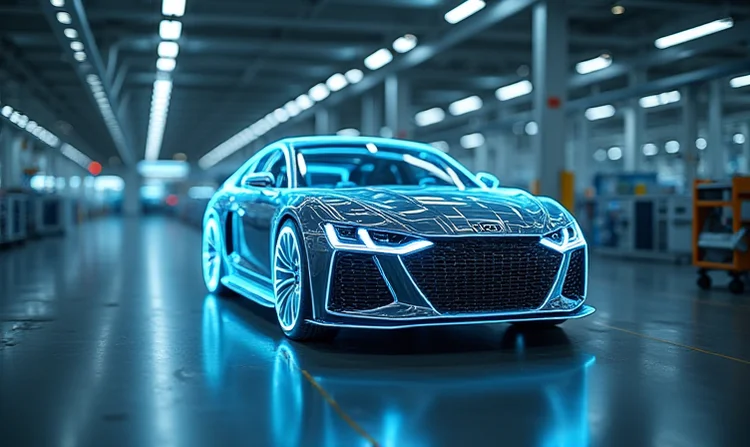
🌿 Eco-friendly materials in car interiors
🌱 Using recycled materials
In recent years, car brands have begun to actively use recycled and biodegradable materials in car interiors. This includes recycled plastic fiber for seats, natural materials for upholstery and bioplastics.
🌟 Innovative solutions
The development of technologies allows us to create high-quality and durable materials that are not inferior to traditional ones in their characteristics, but are much more environmentally friendly.
🌐 Global responsibility and cooperation
🤝 Partnerships and standards
Automotive companies are working with governments and environmental organizations to develop new standards in sustainability. This includes participation in international environmental programs and initiatives.
🌏 Contribution to global goals
Through these partnerships and initiatives, the automotive industry contributes to achieving global goals on sustainable development and combating climate change.
🌤️ Developing technologies for climate adaptation
🌡️ Climate adaptation of cars
In response to global warming, car brands are developing technologies that allow cars to better adapt to changing climate conditions. This includes improving cooling and heating systems, as well as adapting to extreme weather conditions.
🌬️ Improved airflow management
New car models feature improved aerodynamics to reduce air resistance, which improves fuel efficiency and reduces CO2 emissions.
🌳 Implementation of green technologies
🌱 Innovative environmental technologies
Automakers are actively implementing green technologies such as rainwater collection and recycling systems, solar panels to power additional vehicle functions, and the use of environmentally friendly fuels.
🌐 Global carbon footprint reduction
The goal of these technologies is not only to reduce the environmental impact of each vehicle, but also to reduce the overall carbon footprint of the automotive industry.

📈 Analysis and forecasting of climate change
🌥️ Using climate data
Automobile companies actively cooperate with scientific organizations to analyze and predict climate change. This data helps in developing new models of cars that will be maximally adapted to future conditions.
📊 Modeling and adaptation
Using computer modeling, car manufacturers develop and test different scenarios to ensure their products are able to cope with changing climate conditions.
🚗 Transition to electric vehicles
⚡ Reducing emissions
Most car manufacturers are actively moving towards the production of electric vehicles, which is a key factor in reducing carbon emissions and combating climate change.
🔋 Innovations in battery technology
Advances in battery technology are allowing electric vehicles to have longer ranges and shorter charging times, making them more attractive to consumers.
🌿 Sustainable production
🔄 Closed production cycle
Automakers are striving to create closed production loops where materials can be recycled and reused, thereby reducing the overall environmental impact.
♻️ Use of recycled materials
New vehicles are increasingly using recycled and environmentally friendly materials in their production, helping to reduce overall waste and pollution.

🌐 Cooperation with governments and public organizations
🤝 Working on environmental standards
Automobile companies are actively cooperating with governments and international organizations to develop and implement new environmental standards and regulations.
🌍 Global initiatives
Participation in global environmental initiatives and programs helps automakers not only adapt to climate change, but also actively participate in its prevention.
🌱 Development of public transport technologies
🚌 Electrification of public transport
Many cities are actively introducing electric buses and trolleybuses, which helps to reduce pollution and noise levels, as well as improve the comfort of residents.
🚆 Improving urban infrastructure
The development of infrastructure for electric vehicles, including charging stations and special lanes, helps to increase their attractiveness and ease of use.
🍃 Implementation of environmental technologies in cars
🌐 Air purification systems
New vehicle models are equipped with advanced air purification systems that help reduce pollution inside the cabin and around the vehicle.
🌿 Eco-friendly materials
Using eco-friendly and recycled materials in the car's interior not only improves appearance and comfort, but also reduces the impact on the environment.

🌟 Conclusion
Automotive brands are actively adapting to the challenges of climate change by adopting clean technologies and sustainable production practices. Such changes not only help reduce their environmental impact, but also drive innovation in the automotive industry.
