Modern technologies to prevent accidents on the road 🚦🔧🚗
In today's world, technology plays a key role in ensuring road safety. Let's look at the most advanced and effective technologies that help prevent accidents and ensure the safety of drivers and passengers.
Parking assistance systems and rear view cameras 📸🚘
Importance and Benefits
- Minimizing blind spots: Parking assistance systems and rear view cameras significantly reduce blind spots, making the parking process safer and more convenient.
- Collision Avoidance: These technologies are particularly useful in urban environments where the risk of collisions with pedestrians and sudden obstacles is high.
Real use cases
Many modern cars are equipped with parking assistance systems that are activated automatically when the car is in reverse. Rear view cameras transmit images to the central display, allowing the driver to see everything that is happening behind.
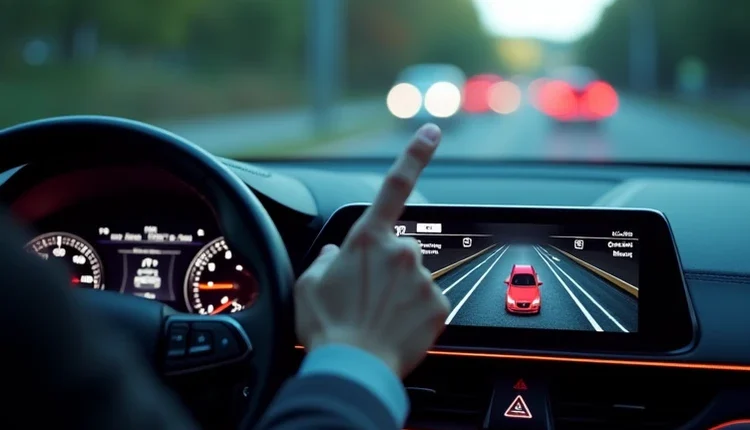
Adaptive cruise control and collision avoidance systems 🛑✋
Key Features
- Traffic Adaptation: Adaptive Cruise Control automatically adjusts your speed to maintain a safe distance from the vehicle in front.
- Automatic braking: Collision avoidance systems can automatically slow or stop the vehicle in critical situations, preventing accidents.
Real life examples
Many premium cars are already equipped with these technologies. They are actively used to reduce the risk of accidents on highways and in dense city traffic.
Blind Spot Monitoring and Lane Departure Warning Systems 🚦👁️🗨️
Security implications
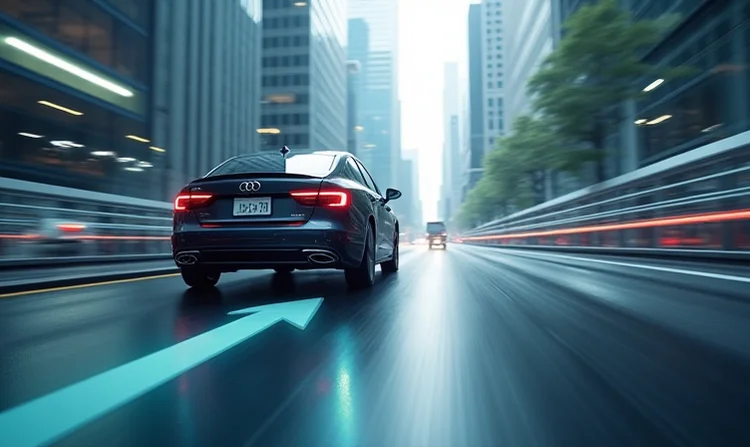
- Blind Spot Vehicle Detection: These systems help drivers detect vehicles in their blind spots, reducing the risk of collision when changing lanes.
- Lane Departure Warning: Lane Departure Warning systems automatically alert the driver if the vehicle begins to leave its lane uncontrollably.
Practical application
These systems are widely used in new car models and are actively used to improve driving safety, especially on long journeys and on high-speed motorways.
Automatic braking systems when pedestrians are detected 🚶💥🛑
Importance and effectiveness
- Pedestrian Protection: These systems can detect pedestrians on the road and automatically apply the brakes, reducing the risk of injury and saving lives.
- Preventing accidents in urban conditions: Particularly relevant in urban traffic conditions, where pedestrians often appear suddenly.
Examples from life
Many modern cars are already equipped with such systems. They are becoming an integral part of safety in cities where the probability of unexpected situations with pedestrians is high.
Driver Condition Monitoring Systems 🚗👀
Security implications
- Fatigue Prevention: Monitoring systems watch for signs of driver fatigue or drowsiness, warning you when it's time to take a break.
- Reduced risk of accidents: Avoiding driving while tired or drowsy significantly reduces the risk of accidents.
How does this work
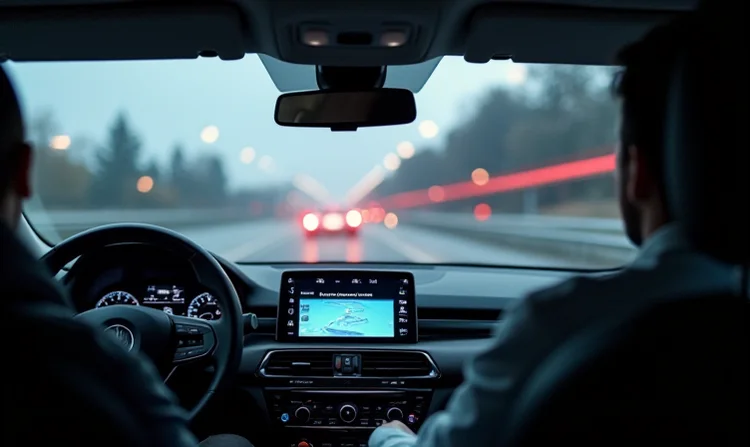
The systems use various sensors and cameras to analyze the driver's behavior, gestures, and eye movements. If signs of fatigue are detected, the system activates audio and visual signals, prompting the driver to take a break.
Intelligent Lighting Systems 🚗💡
Increased visibility and safety
- Adaptive Lighting: Intelligent lighting systems automatically adapt the headlights to the current driving conditions, improving visibility.
- Preventing dazzle to other drivers: Systems can automatically switch from high beam to low beam, preventing dazzle to oncoming drivers.
Implementation in cars
Modern cars are equipped with sensors that monitor the level of external lighting, as well as the distance to the vehicles in front or oncoming, ensuring optimal illumination of the road.
Conclusion
Modern technologies play a huge role in improving road safety. From parking assistance systems to adaptive cruise control and intelligent lighting, all these innovations are aimed at preventing accidents and protecting the lives of drivers and pedestrians. Using these technologies can significantly reduce the number of accidents, making driving safer and more comfortable for all road users.
