🚗 Cars communicating with each other: safety and comfort
In today's world, motorists all over the planet face many challenges related to safety and driving comfort. The latest technologies in the automotive industry, such as vehicle-to-vehicle communication systems, open up new horizons in solving these problems. Here you will find accessories for modern cars that will help you stay connected and safe.
📡 How does it work?
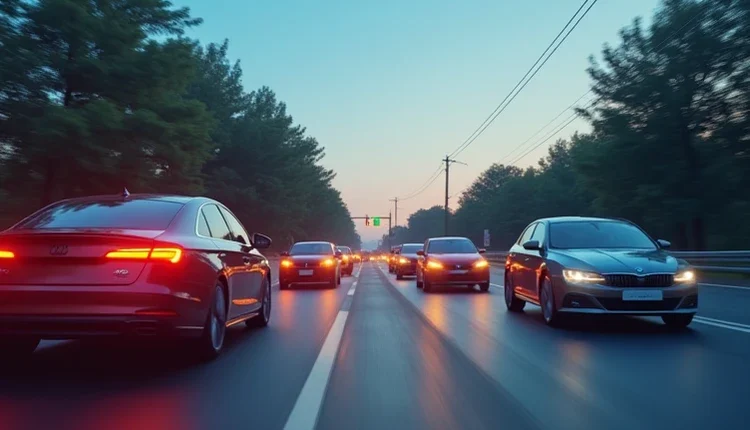
Vehicle-to-vehicle communication systems are sophisticated technologies that allow vehicles to “talk” to each other:
- Real-time data sharing: Vehicles can transmit information about their location, speed and direction of travel.
- Hazard Alert: Drivers receive warnings about potential collisions, road obstacles or changes in road conditions.
🚦 Benefits for drivers
Communication between vehicles brings significant benefits to everyday driving:
- Increased safety: Reduced risk of accidents through timely warning of hazards.
- Traffic efficiency: Improved traffic flow and reduced travel times through more efficient allocation of road space.
💡 Innovations in comfort
Technologies not only improve safety, but also make driving more comfortable:
- Personalized routes: Systems are able to analyze driver habits and suggest optimal routes.
- Integration with smart city systems: Cars can “interact” with road infrastructure, such as traffic light control systems.
🌐 Impact on the environment
Communication systems between cars not only increase safety and comfort, but also contribute to improving the environmental situation:
- Reduced emissions: More efficient traffic management results in less time for vehicles to be idling on the road, which reduces emissions.
- Optimising fuel consumption: Driving smoothly without frequent stops and accelerations has a positive effect on fuel economy.
🌍 Global Perspectives
The widespread adoption of vehicle-to-vehicle communication technologies has the potential to radically change the face of transportation systems globally:
- International cooperation: Countries and companies around the world are joining forces to develop and standardize technologies.
- Integration with other modes of transport: Possibility of coordinating movement not only between cars, but also with other modes of transport, such as public transport and bicycles.
🚘 Practical examples
Let's look at some practical examples of the application of communication technologies between cars:
- Intelligent traffic lights: Vehicles that communicate with traffic light control systems can optimize traffic flow by reducing stops.
- Emergency response systems: In the event of an emergency, the system automatically alerts emergency services, transmitting precise coordinates and incident data.
🚗 Prospects for the development of technology
The development of inter-vehicle communication technologies opens up new horizons:
- Climate change adaptation: Cars can respond to changing weather conditions, providing drivers with up-to-date information and advice on safe driving.
- Integration with smart cities: Connection with urban infrastructure will optimize traffic flows, reducing road congestion and travel time.
🔗 Technological innovations
The technology of communication between cars includes a number of innovative solutions:
- V2X communication: Vehicle-to-Everything (V2X) systems allow vehicles to communicate not only with each other, but also with infrastructure, pedestrians, and other road elements.
- Wireless technology: Using advanced wireless technologies such as 5G provides high-speed and reliable data transmission.
🌎 Contribution to sustainable development
Vehicle-to-vehicle communication systems contribute to achieving sustainable development goals:
- Reduced air pollution: Efficient traffic management reduces emissions of carbon dioxide and other pollutants.
- Road Safety: Reducing the number of road accidents and related injuries and deaths.
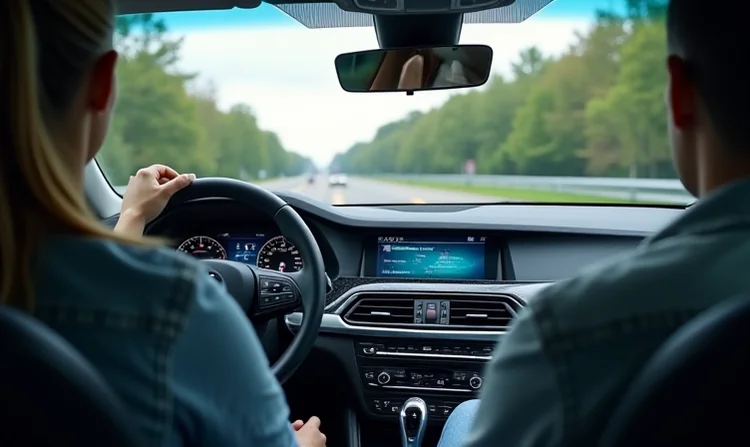
🚀 Future and Opportunities
The prospects for vehicle-to-vehicle communication promise breakthrough changes:
- Autonomous Driving: Integration of V2X technologies will accelerate the development of fully autonomous vehicles.
- Intelligent road systems: Road signs and traffic lights will be able to dynamically respond to current traffic conditions, improving traffic efficiency.
🧠 Artificial intelligence in motor transport
AI plays a key role in the development of this technology:
- Big Data Processing: Using AI to analyze data from vehicles will help predict and prevent traffic jams and accidents.
- Personalized driving: AI can adapt driving to individual driver preferences, taking into account driving style, route and weather conditions.
🌐 Global challenges and solutions
Key global challenges associated with this technology:
- Privacy and security concerns: Protecting data and preventing unauthorized access to traffic information.
- Standardization and interoperability: Develop universal standards to ensure interoperability between different vehicles and infrastructure.
📊 Statistics and analytics
- Research and reports: Analysis of the effectiveness of the technology based on statistical data on accidents, traffic jams and pollutant emissions.
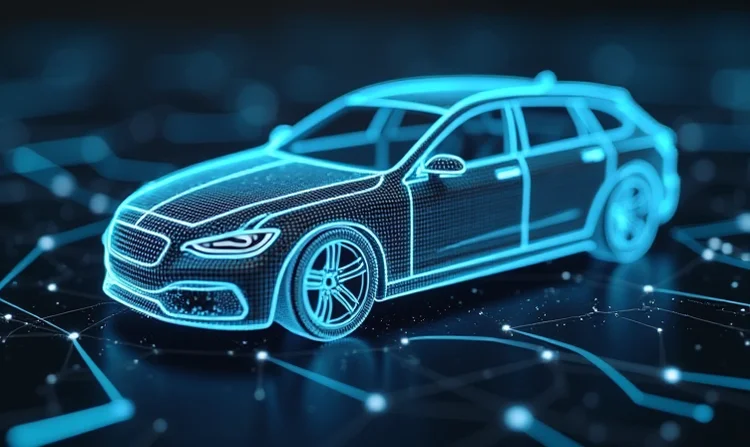
🚗 The Future of Road Traffic
Cars that communicate with each other will change everyday driving:
- Enhanced Navigation: Enhanced navigation systems will suggest optimal routes based on current traffic conditions.
- Proactive accident prevention: Collision warning systems can prevent many accidents by alerting the driver in advance of potential hazards.
🌍 Environmental aspects
Vehicle communication technology helps improve the environment:
- Reduced emissions: More efficient traffic and reduced congestion will reduce emissions.
- Fuel economy: Optimizing routes and avoiding frequent stops will reduce fuel consumption.
🔒 Security and privacy
As cars communicate, new safety challenges arise:
- Data protection: It is necessary to ensure the protection of traffic data and personal information of drivers.
- Countering hacker attacks: Developing protection against cyber attacks is becoming a priority in this area.
📈 Market Prospects
- Opportunities for Startups: The development of new technologies opens doors for innovative startups.
- Investment trends: Growing investor interest in the automotive communications sector.