

Autonomous Cars 2024: Between Dream and Reality 🚗🚀
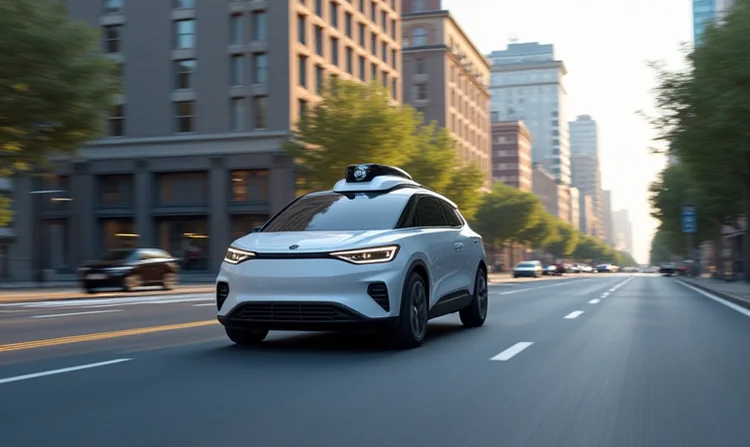
Autonomous cars have long ceased to be science fiction, but in 2024 they are still at the intersection of dreams and technical capabilities. Every year, technology advances, but full autonomy is still a long way off. In this article, we will consider what awaits us in the world of autonomous cars in 2024, what innovations have already been implemented and what still needs to be overcome.
here you will find accessories for autonomous cars
Current Status and Achievements 📊🚘
Autonomy Levels
By 2024, most autonomous cars are still at SAE Level 2-3, which means partial autonomy. Fully autonomous cars (Level 5) remain in development, although some models are already being successfully tested in closed environments.
Integration with Infrastructure
Progress in the development of autonomous vehicles also depends on the development of urban infrastructure. Some cities in Europe and America are already implementing systems that allow cars to “communicate” with road signs, traffic lights and other vehicles.
Research and Development
Major car companies and tech startups are investing heavily in research and development of autonomous technologies. This includes improving machine learning algorithms, developing imaging systems and sensor technologies.
Problems and Challenges 🚧🔍
Safety and Regulatory Restrictions
One of the main obstacles to autonomous cars is ensuring their safety. Legislation in many countries has not yet been adapted to fully autonomous vehicles, which calls into question their commercial use in the coming years.
Technical Difficulties
Achieving full autonomy requires solving many technical problems, including increasing the accuracy of sensors and improving data processing algorithms. Weather conditions, complex urban traffic and non- standard road situations present special challenges.
Ethical Issues
Autonomous vehicles pose complex ethical questions for society and policymakers, including decision-making in critical situations and liability for road accidents.
Looking Ahead: Outlook for 2024 and Beyond 🌟🛣️
Integration with Smart Cities
In the coming years, autonomous vehicles are expected to integrate with the concept of “smart cities,” where all elements of urban infrastructure interact with each other. This will improve the efficiency and safety of traffic flows.
Development of Technology
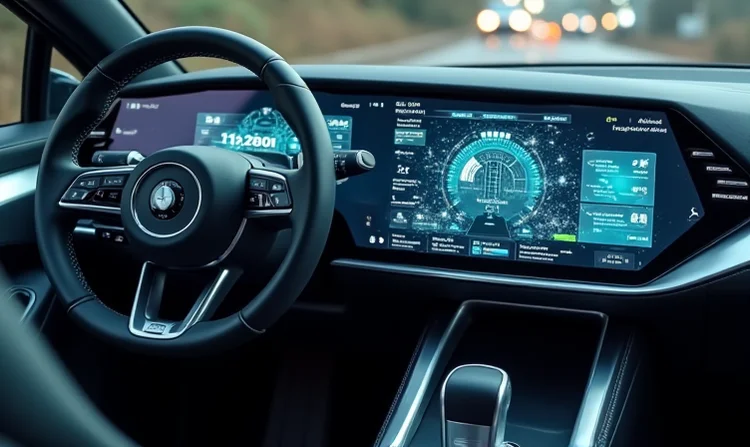
Technological innovations will continue to improve autonomous driving systems. Improvements in AI algorithms, sensor technology, and communication systems will make autonomous vehicles even more reliable and accessible.
Changes in Transport Infrastructure
The development of autonomous vehicles will require a revision of transport infrastructure and traffic regulations. This applies to both urban and intercity roads, as well as parking spaces and rest areas.
Development of the Service Ecosystem
The development of autonomous vehicles will enable new business models and services, such as autonomous taxis, delivery services, and car-sharing services. This will open up new opportunities for entrepreneurs and change the way we think about mobility.
Change Driver Role
The driving profession will also change. Drivers will act more as operators and observers, monitoring the operation of autonomous systems, rather than actively driving the vehicle.
Ecological Aspect
Autonomous cars can help reduce carbon emissions through more efficient traffic management and the use of electric motors, making them an important part of the strategy to combat climate change.
Conclusion and Findings 🏁🤔
So, in 2024, the world of autonomous cars will continue to evolve, although full autonomy and mass adoption are still in the future. The main areas of development are improving technologies, integration with urban infrastructure, and the development of new business models in the transport sector. Despite the technical and ethical challenges, the prospects for autonomous cars remain promising, opening up new horizons for the transport industry and society as a whole.
