
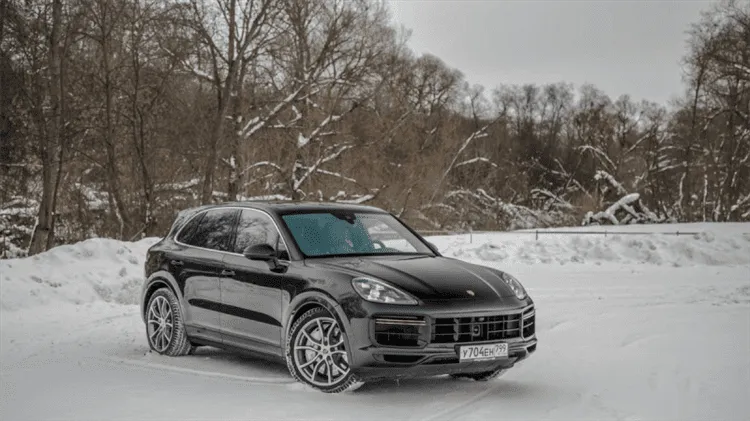
Cayenne – Porsche or not?
Just think, Cayenne, whose production began in 2002, will soon celebrate its 20th anniversary. During this time, the crossover from Stuttgart managed to change 3 generations, disperse around the world with a circulation of 225,000 cars and even get into the Guinness Book of Records.
And all this time, controversy has not subsided around him – some Porsche fans could not accept him, he gave others the opportunity to drive their favorite brand all year round, and for others he became the first Porsche at all.
But one thing is for sure, like the 911, it's more of a symbol than a machine, but in a different way. The 911 is an icon in the automotive industry, and the Cayenne is what keeps this icon alive and for which we will always be grateful.
The Cayenne as a symbol has transcended the company, much of its success owing to crossovers produced by sports brands, including the Urus, with which he graciously shared the engine.
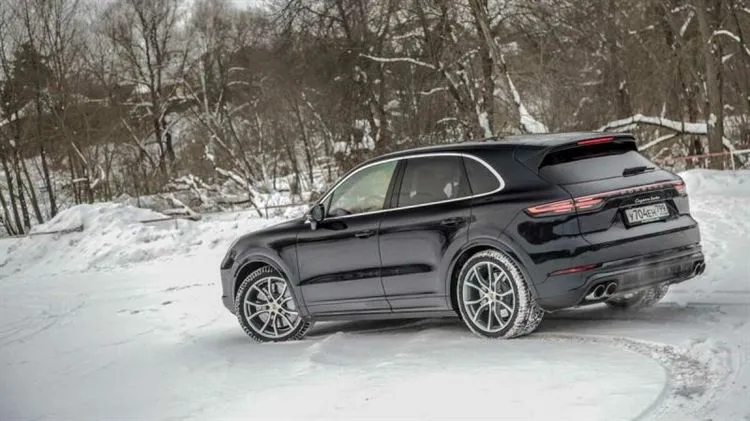
But what if we consider the Cayenne not as a symbol and not even as a Porsche, but as an independent unit? Like an ordinary, if you can call it that, crossover?
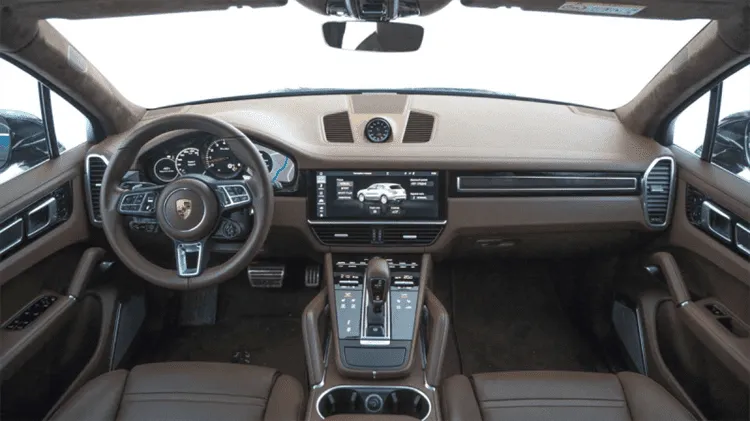
The interior does not make this task easier, if in the same Urus it is impossible to stop seeing Audi, then the Cayenne has nothing in common with the Touareg, whose platform it has been using all this time.
Steering wheel, dashboard, centrally located seats and clock, gearshift lever and buttons around it, nothing inside will let you doubt that this is a Porsche.
The appearance of the Cayenne is also quite consistent with the general style of Porsche – a taillight connected by a thin ribbon, headlights with 4 diodes around a large lens, the overall silhouette and window line emphasize the relationship with the 911 as much as possible.
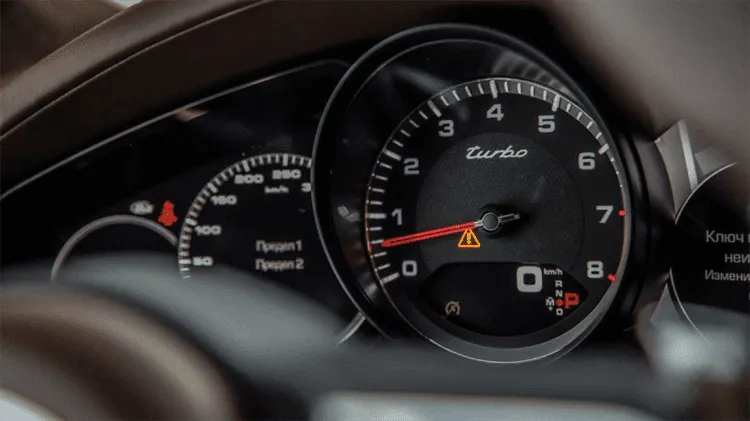
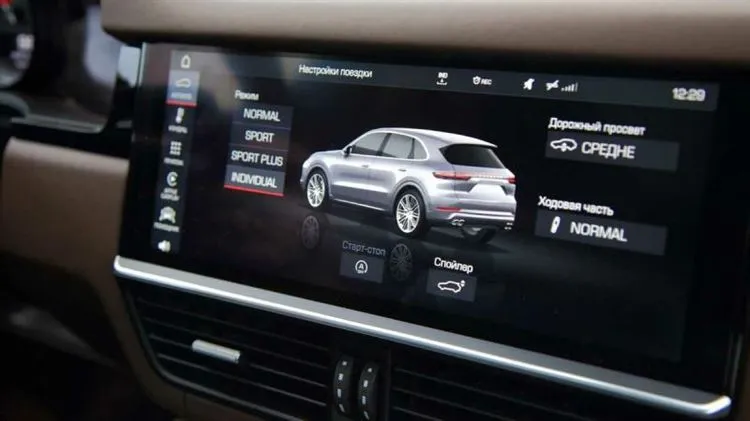
Technically, the third Cayenne, built on a short version of the MLB Evo platform, received many interesting solutions: adaptive dampers, an air suspension that also adds off-road modes to it, active anti-roll bars inherited from the Panamera, and the most interesting thing is a fully controlled chassis.
Something in it became a breakthrough – for the first time the car was equipped with brake discs with tungsten carbide coating, developed by Bosch (only in the Turbo version, an option for the rest).
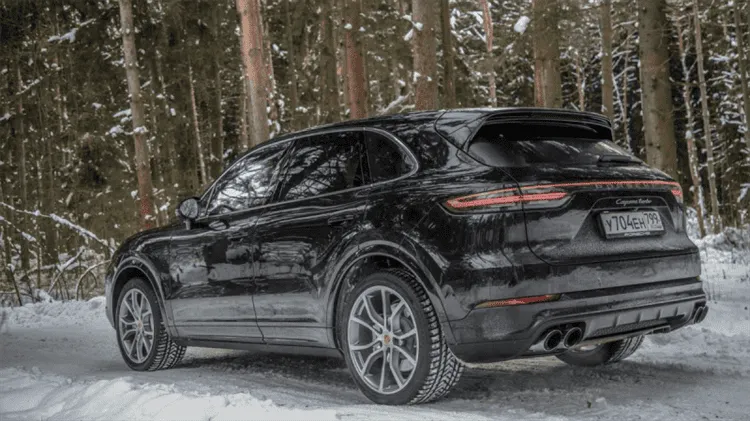
It's these decisions that set Porsche apart from the manufacturer, but what makes the Cayenne a true Porsche is the engines. Yes, all engines, from the base V6 to the insane 4-liter turbo-eight with 550 horsepower, are installed on various models of the entire Volkswagen group, but they were developed by engineers from Stuttgart.
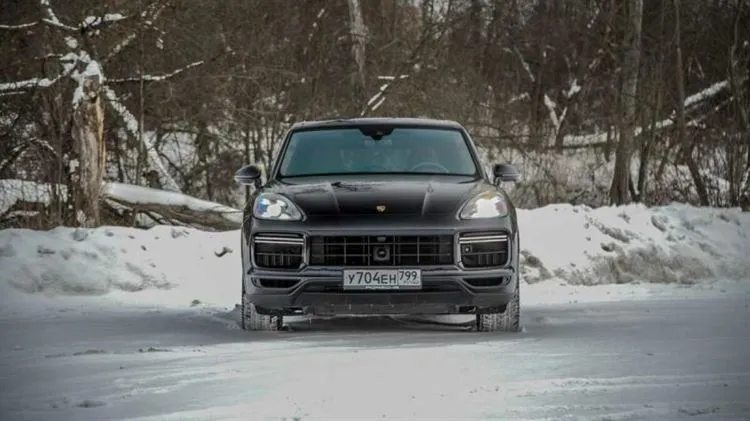
If earlier the Cayenne looked like an attempt to collect more money from customers who have a Porsche in the garage or dream of putting one of the models there, then the new Cayenne is definitely a Porsche in spirit. Not 100%, not perfect, but a Porsche: moderately tough, moderately sporty, moderately insane, but capable of feats if necessary.
Will the Cayenne take to the track? Of course not, like most Geliks will never see off-road, but the owners of the G-Class know that he is capable of it.
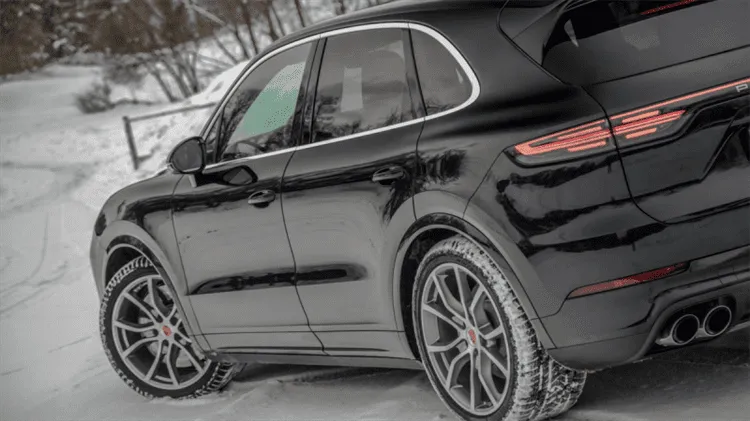
That's the difference between a Porsche crossover and a non-Porsche: its buyers know the Cayenne can perform on the race track, so it's a worthy representative of Porsche.
