
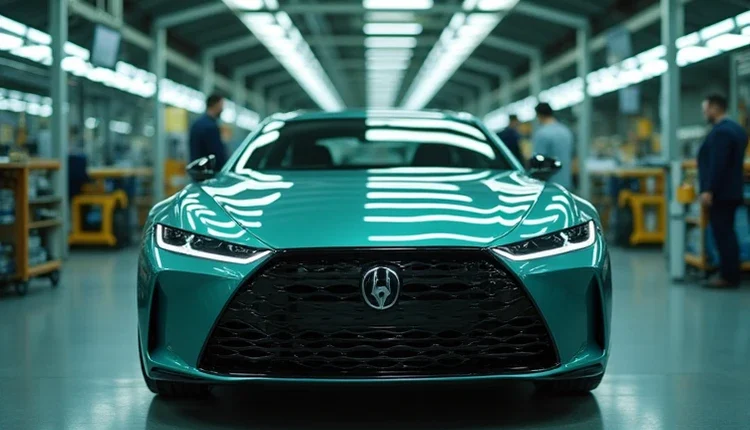
Eco-friendly cars: the future of the automotive industry 🌱🚗
Eco-friendly cars are becoming more and more popular every year. Countries such as Germany, the USA and all over Europe are paying special attention to reducing carbon dioxide emissions and improving the environmental situation, in which cars with alternative energy sources play a significant role. Choose accessories for an eco-friendly car.
Development trends 📈
Modern technologies make it possible to create cars that are not only environmentally friendly, but also highly productive. Electric cars and hybrid models are becoming increasingly accessible and practical for a wide range of consumers.
Electric cars ⚡
Electric vehicles use electricity as their primary source of energy, which significantly reduces carbon dioxide emissions. Thanks to advances in battery technology, modern electric vehicles can travel significant distances without recharging.
Hybrid cars 🔄
Hybrids combine an electric motor with a traditional petrol or diesel engine to reduce fuel consumption and emissions while still maintaining the driving style that drivers are used to.
Hydrogen fuel cells 💧
Hydrogen fuel cell cars are the future of the auto industry. They produce electricity by interacting with oxygen, and the only product of their work is water. This makes them one of the most environmentally friendly forms of transport.
Benefits of Eco-Friendly Cars 🌿
Reducing emissions
The main advantage of environmentally friendly cars is the reduction of emissions into the atmosphere, which helps improve the environmental situation in the world.
Fuel economy
Electric cars and hybrids help reduce fuel costs. Electric cars are especially cost-effective to operate because the cost of electricity is lower than that of gasoline or diesel.

Improving efficiency
Modern technologies make eco-friendly cars not only economical, but also highly efficient. Electric motors provide instant response and high torque, making driving more dynamic and comfortable.
Government support 🏛️
Many countries offer tax incentives and subsidies for the purchase of green cars. Such support significantly reduces the cost of purchase and stimulates the transition to greener modes of transport.
Infrastructure development 🔋
The development of a network of charging stations and hydrogen refueling stations simplifies the operation of electric vehicles and hydrogen cars, making their use convenient and practical in everyday life.
Table: Comparison of types of eco-friendly cars
Prospects and challenges 🌐🚀
Green cars are undoubtedly the future of the automobile industry. However, there are also certain challenges, such as battery disposal and infrastructure development.
Innovation and Research 🔬
Ongoing research into batteries and hydrogen fuel cells is opening up new opportunities to improve the efficiency and reduce the cost of green vehicles.
Environmental awareness 🌿
Increasing environmental awareness among consumers facilitates the transition to eco-friendly vehicles. Communication of the benefits of such vehicles plays a key role in this process.

Conclusions 🔄
Green cars represent an important step towards sustainability and environmental protection. They not only save money for owners, but also help reduce pollution.
Integration with renewable energy sources 🌞
Using renewable energy sources to charge eco-friendly vehicles further reduces their carbon footprint. Integration with solar energy and wind power plants is a key aspect in the development of eco-friendly transport.
Educational programs and conscious consumption 📚
Educating consumers about the benefits of green cars and their impact on the environment encourages conscious consumption. Educational programs and marketing campaigns can accelerate the transition to green transportation.
Public-private partnership 💼
Collaboration between the public and private sectors in the development and implementation of environmentally friendly vehicles facilitates the rapid development and availability of these technologies to a wider audience.
Global trends and legislative initiatives 🌍
Global trends and legislative initiatives in the field of ecology actively influence the development of eco-friendly cars. Countries around the world are introducing restrictions on vehicles with internal combustion engines and stimulating the use of eco-friendly alternatives.
Technological innovations and improvements 🔧
Continued technological developments in improving battery performance, increasing range and reducing charging times are key factors in accelerating the transition to green vehicles.

Conclusions 🔄
Green cars represent not only a new era in the automobile industry, but also form the basis for a more sustainable and environmentally friendly future. Their development and popularization play a critical role in reducing harmful emissions and protecting our planet.
| Type of car | Advantages | Peculiarities |
|---|---|---|
| Electric cars | Zero emissions, low operating costs | Requires charging from mains power |
| Hybrid cars | Reduced fuel consumption and emissions | Combination of electric motor and internal combustion engine |
| Hydrogen cars | Zero emissions, high fueling speed | Limited refueling infrastructure |
