
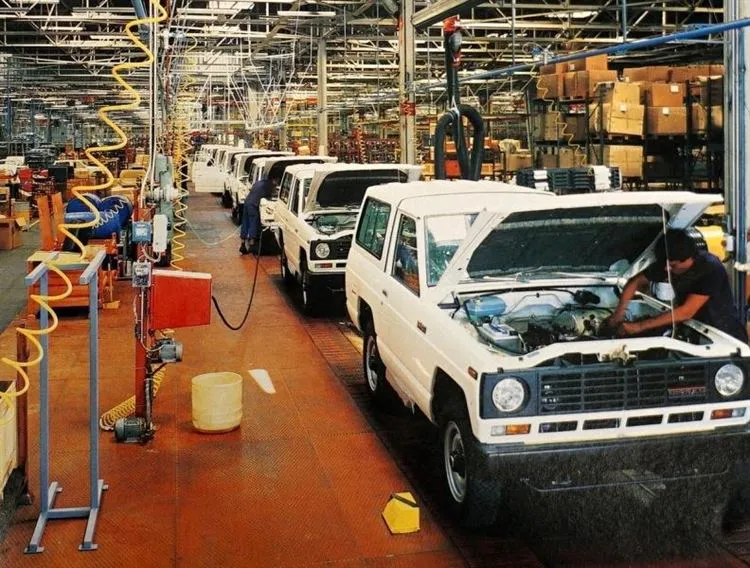
Nissan halts Barcelona plant to be sold and converted to electric vehicles
The decision to close the Barcelona plant was made by Nissan management last spring, but its fate has not yet been determined. The main contender for the purchase now is the Spanish company QEV Technologies.
Nissan's Barcelona plant (officially Nissan Motor Iberica) has been the victim of a Japanese company's resource optimization program: its electrification center for Europe has been chosen as a site in Britain's Sunderland, in which Nissan will invest another £1bn, while the Spanish company is out of business. It was planned to close at the end of 2020, but at the request of the Spanish authorities, concerned about the fate of the 3,000 people involved in this production, the closure of the plant was postponed to December 2021. December 17 A press release was issued about where the last assembled car (Navara pickup) rolled off the assembly line and the history of the company under the wing of Nissan is over.
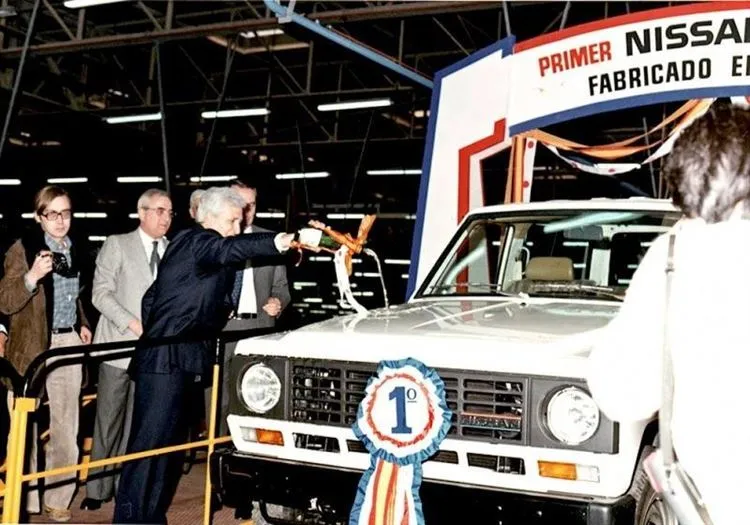
First Nissan Patrol assembled in Spain
The plant was launched in 1983 and began to produce Patrol SUVs on the chassis – it was the first Japanese car to be located in Europe. Subsequently, the Terrano II, Pathfinder, Navara, Serena, Primastar, NV200 and Pulsar models received Spanish registration. Together with the current third generation of the Navara pickup truck, the Barcelona plant produced its clones: the Mercedes-Benz X-Class and Renault Alaskan. In addition to the main assembly shop, Nissan Motor Iberica includes two auxiliary plants: one for casting, the other for chassis and suspension parts. Since its launch, Nissan Motor Iberica has produced 3,345,000 vehicles.
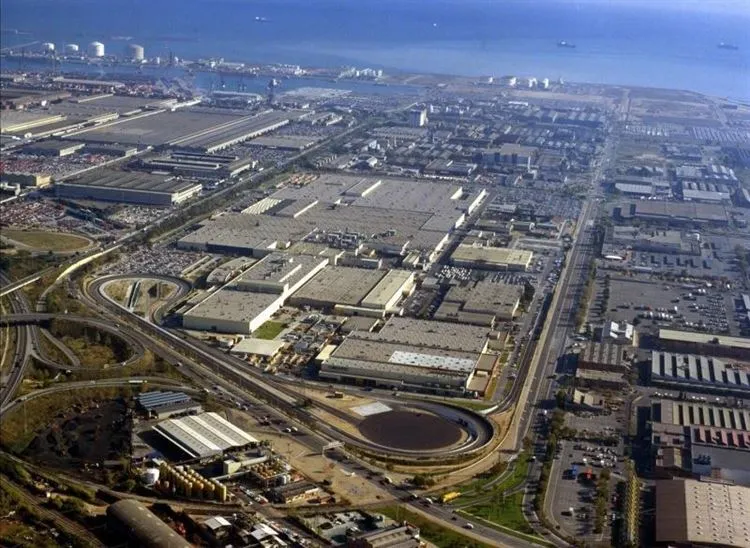
Modern panorama of Nissan Motor Iberica factory
In the summer, it became known that after the closure of the plant in Barcelona, the Nissan Navara pickup will leave the European market – in recent years it has sold much worse than its main competitors (Ford Ranger, Toyota Hilux and Mitsubishi L200), but Navara's career will continue in Asia, Africa and Latin America. The assembly of the Mercedes-Benz X-Class in Barcelona was halted in the spring of 2020 as Daimler management was very disappointed with the model's sales results. Renault Alaskan will not have an heir, even this clone was not a commercial success.
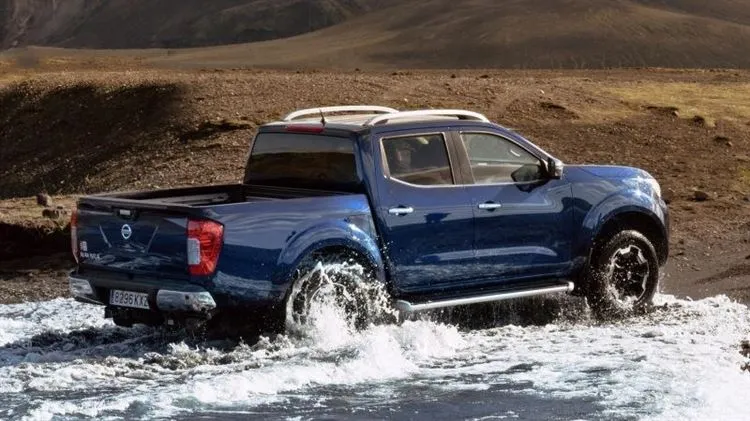
Nissan navara
Another year of work at the Nissan Motor Iberica plant did not help determine its fate: South Korean LG Energy Solution, French Schneider Electric and Chinese Great Wall Motor were previously named among potential buyers, but eventually left the company. Spanish place. Yesterday, Reuters reported that Spanish authorities named young local company QEV Technologies as a prime candidate for the acquisition: it will get a parent company and ancillary facilities will likely go to Spanish electric scooter maker Silence.
QEV Technologies is a pioneer in electric vehicles, but this company has never been involved in mass production before and has mainly been involved in motorsports, prototype production and high-tech components for small projects (the company's website, in particular, highlights work on a supercar under the Arcfox brand of the Chinese automotive BAIC). If the deal is successful, QEV Technologies, in cooperation with the Swedish companies Inzile and Volta, will start manufacturing components for electric motors (mainly batteries) in Barcelona and offer contract assembly of cars, as the Finnish company is currently doing. Valmet and Dutch VDL Nedkar.
Another potential buyer of Nissan Motor Iberica is the Belgian company Punch Powertrain, known for its automatic transmissions (installed on UAZ vehicles) and is now actively increasing the production of components and assemblies of electric vehicles. In general, while the fate of the plant in Barcelona hangs in the air, the Spanish authorities failed to ensure a “free” flow of its employees from one owner to another. As soon as a new owner is determined, it will take him at least a year to adapt the plant for his purposes.
