
Unique but useless art: French WWII wheeled vehicles
In contrast to the leadership of the automotive industry of the USSR, the French military department in 1935 found the strength to abandon obsolete half-tracked vehicles and switch to all-wheel drive vehicles and wheeled tractors, which brought her a worthy place in the world in creating unique samples of army vehicles.
The creation of French off-road vehicles began in the 1920s, when brave travelers on their fragile tricycles traveled across the sands of the Sahara. Then came the turn of cars with all-wheel drive single wheels, final drives and twin bumper rollers for easier driving on rough terrain. This work was interrupted by the capitulation of France on June 14, 1940 and the subsequent occupation of the country, but for a number of all-terrain vehicles it continued until victory.
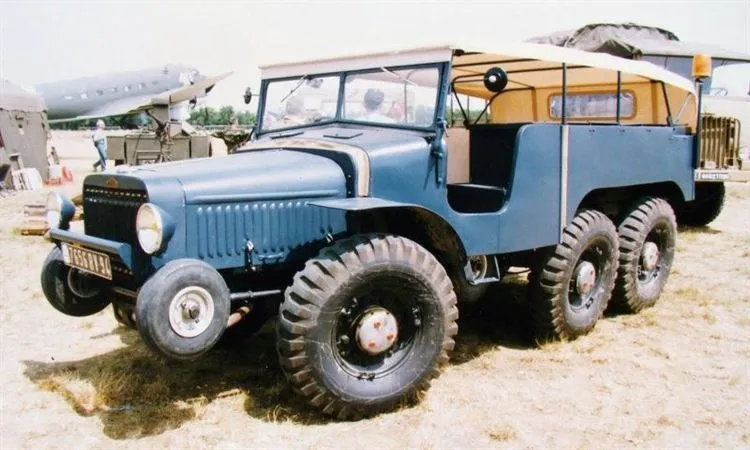
The most efficient Hotchkiss W15T conventional right-hand drive artillery tractor
Three-axle Lorraine cars (1934-1941)
In the mid-30s, escort vehicles appeared in French cavalry units, which Lorraine-Dietrich acquired under license from the Czechoslovak Tatra plant and renamed Lorraine 72. Their basis was the T72 (6×4) model with a 30-horsepower air-cooled engine, a central spinal frame and independent suspension of all wheels.
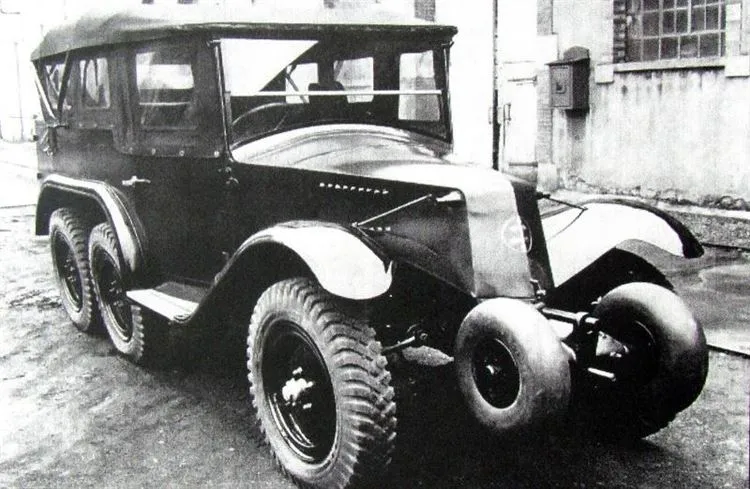
The Lorraine 72 machine of Czechoslovak origin was used in most French military formations. 1935
Two years later, the Lorraine-Dietrich company began assembling experimental T28 (6×4) trucks in a shortened Lorraine 28 version with a 63-horsepower water-cooled engine. Closed 10-seat vans with communications equipment, tanks and road tow trucks were mounted on it. Until 1941, 384 cars were assembled.
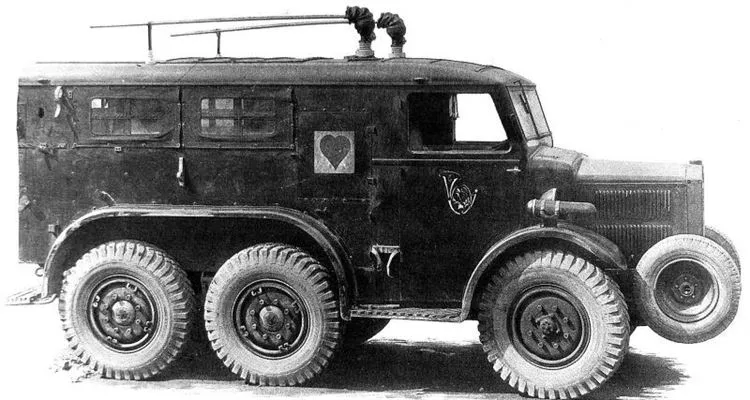
Staff car Lorraine 28 based on a three-ton Tatra-28 with a standard body and a radio station. 1938
Wheeled vehicles of the company Latil (1934-1944)
The extensive military program of the Latil company made it a leader in the production of light and medium two- and three-axle all-wheel drive tractors and army all-terrain vehicles for various purposes.
KTL4 (1934-1940)
The KTL family of tractors was born in 1924, when an ordinary tractor was turned into a road tractor TL (4×4) with all steerable wheels and solid tires. In the 30s, a 36-horsepower version of the KTL4 appeared for towing guns with a double or extended cab with a soft top for eight people and a winch.
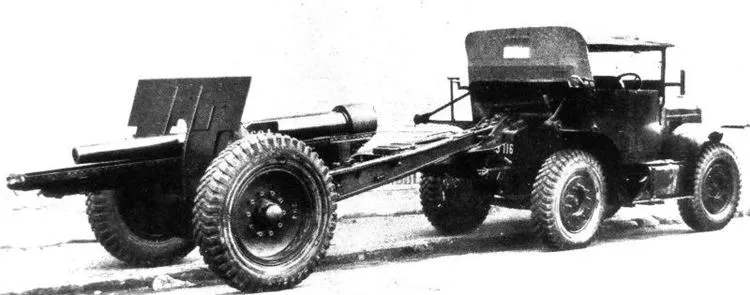
Light artillery tractor Latil KTL4 on pneumatic tires with a fifth wheel coupling. 1934
М2TL6 (1934-1940)
The M2TL6 (4×4) short-wheelbase artillery tractor was created by installing a new 67-horsepower engine, a six-speed gearbox, various cab options and side bodies on the KTL4 chassis.
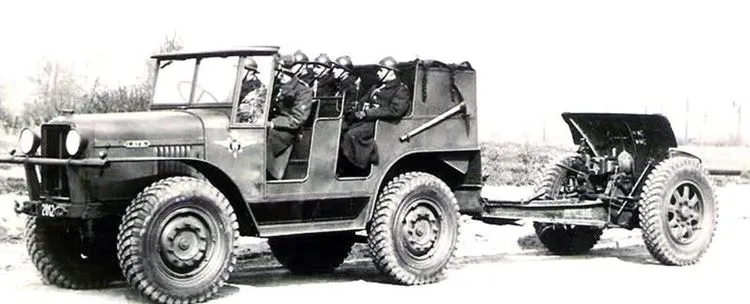
Artillery tractor Latil M2TL6 with an open body and a place for four people of the combat crew of the gun. 1936
M7T1 (1938-1940, 1944)
The five-seater M7T1 (4×4) was a combination of a command vehicle with a high-speed tractor for cavalry units. It was equipped with a 50-horsepower engine, differential locks, spring suspension on all wheels and hydraulic brakes. Until the end of 1940, 170 cars were manufactured, and after the occupation, another 300 units were assembled.
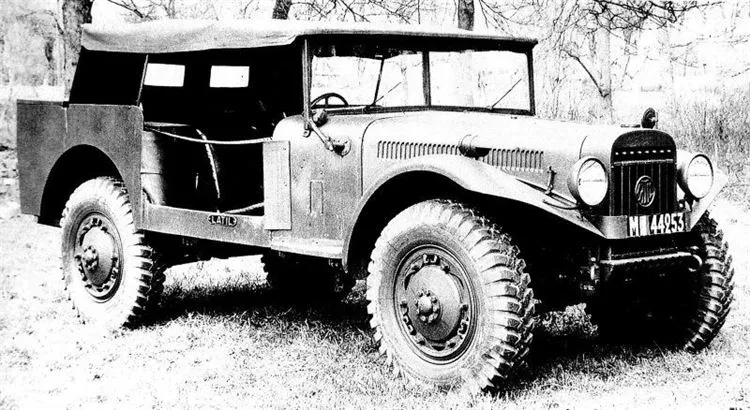
Latil M7T1 with left front swivel seat for unfolding documents at the center table. 1940
M2TZ (1938-1940)
The compact 67-horsepower M2TZ (6×6) tractor was used to tow guns of 75-90 mm caliber and trailers with light tanks. It was equipped with a four-speed gearbox, a two-speed transfer case with three differentials and short flatbed or closed bodies for combat crews of towed systems.
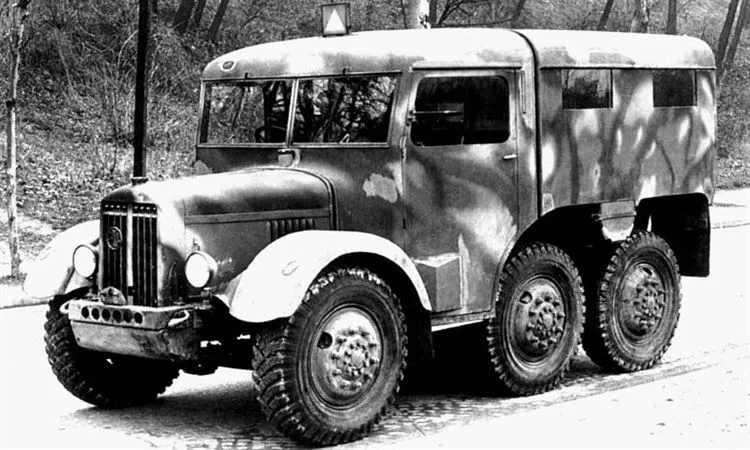
Short wheelbase tractor Latil M2TZ with a closed body for the transport of personnel and ammunition. 1937
On this chassis, they also assembled repair and recovery vehicles with a rear mechanical crane and a drum winch, as well as lifting vehicles for transporting ammunition. Until May 1940, 79 M2TZ machines were manufactured.
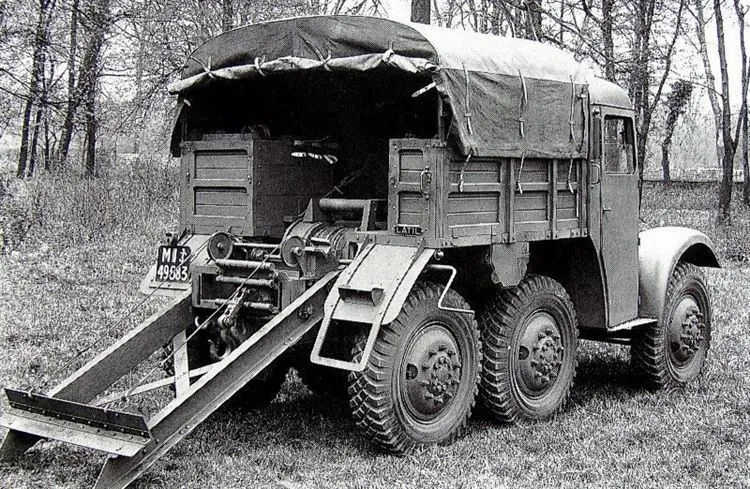
M2TZ vehicle for naval batteries with 90mm reloading system. 1938
Before the surrender, Latil managed to assemble ten 50-horsepower M7Z1 (6×6) staff vehicles for towing 25-mm anti-aircraft guns or carrying guns of up to 47 mm caliber in extensive body compartments, as well as combat crews and ammunition.
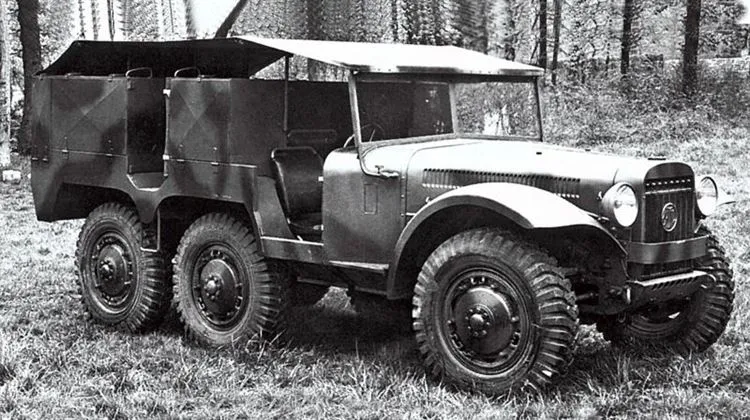
Staff Latil M7Z1 with a rear body compartment and a central table for officers. 1940
The first three-axle family of the Laffly company (1934-1940)
The basis of military unarmored vehicles was the program of the military department to create a “system of wheeled all-terrain vehicles with total adhesion” to replace horse-drawn traction in artillery, deliver infantry and support cavalry operations. The little-known company Laffly, which had a cooperation agreement with Hotchkiss, was appointed as the lead developer and manufacturer.
The first family consisted of six types of unified three-axle army vehicles and tractors with wheel formulas 6×4 and 6×6, which included a dozen and a half versions and more than a hundred versions.
The preserved army tractor Laffly S15T (6×6) with final drives and individual drive for each wheel
The main curiosity of the Laffley machines was the rear wheel drive system, which was patented by the Hungarian engineer Sigmund Hollosh. It consisted of two longitudinal cardan shafts on both sides of the tubular chassis frame and four wheels suspended at the ends of semi-elliptical springs. The torque to each of them was transmitted by onboard conical pairs and swinging axle shafts. The front wheels with a cross beam were also driven by side cardans.
The first short-wheelbase 80-horsepower tractor Laffly S35C (6×4) was built in the summer of 1934. It was followed by prototypes of the base machines S15C (6×4), S15R, S15T and S35T (6×6), approved by the military department. Their release began in the 37th and continued until the middle of 1940.
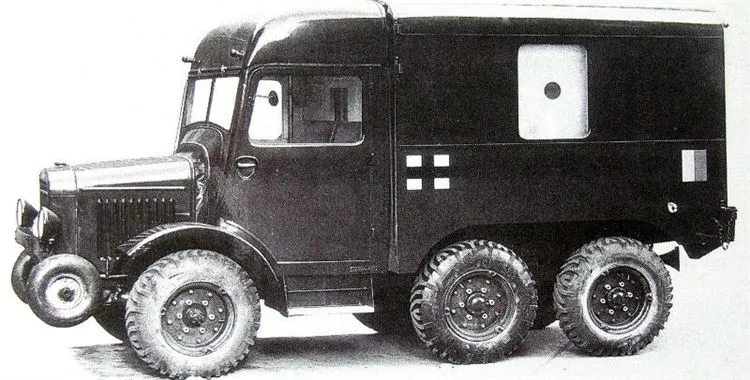
One of the first Laffly vehicles was the S15C ambulance with rear wheel drive and a longitudinal stretcher. 1936
The first in the extensive Laffley family were the S15R (6×6) command and reconnaissance vehicles. They were equipped with a 52-horsepower Hotchkiss engine, an open body for officers located in the central part of the cabin with a document box, a folding windshield, a rear trunk, two or four side support wheels. They were collected in the amount of 576 units.
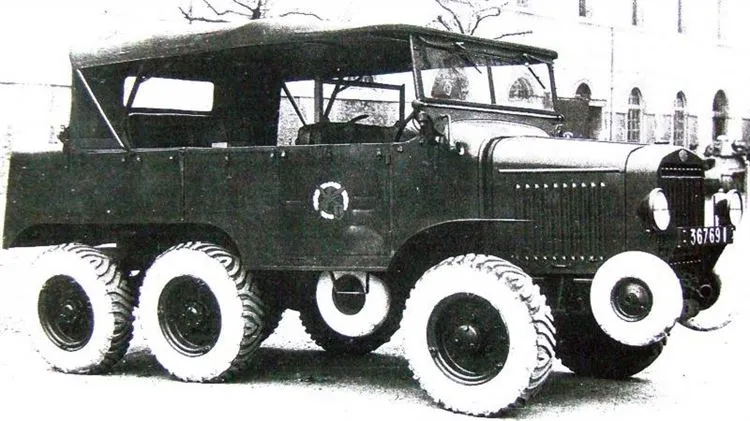
Reconnaissance vehicle Laffly S15R of the first release with an open six-seater body. 1935
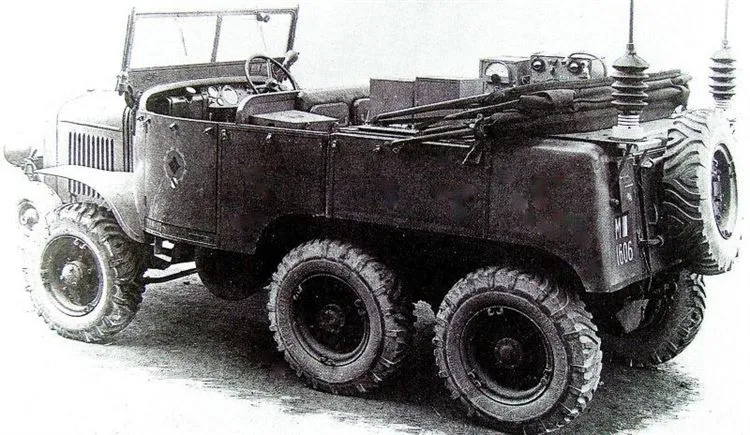
Car Laffly S15R with a radio station for adjusting artillery fire and a rear-mounted spare wheel
The second place in this family was occupied by a light five-seater S15T tractor for towing guns of 75-105 mm caliber, which was equipped with a cargo-passenger body with four side half-doors, a large rear compartment for coupling devices and ammunition, a removable canvas awning and a “spare wheel” on the rear wall of the body. A total of 411 vehicles were built.
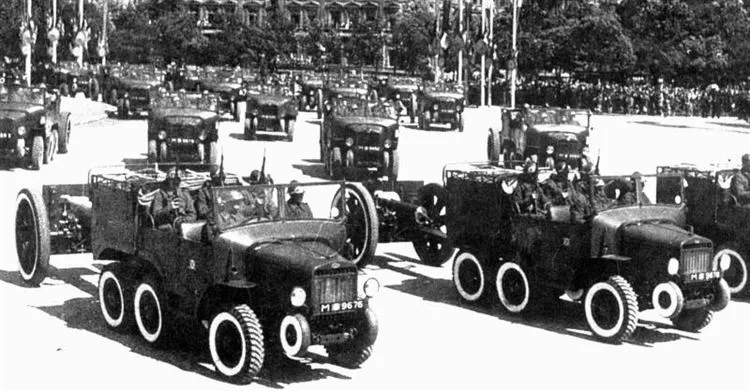
Light tractors Laffly S15T with two-section bodies and 75-mm guns at the parade on July 14, 1939 in Paris
This category also included S15L telephone exchanges and “colonial” tractors on the S15T chassis with side openings instead of doors.
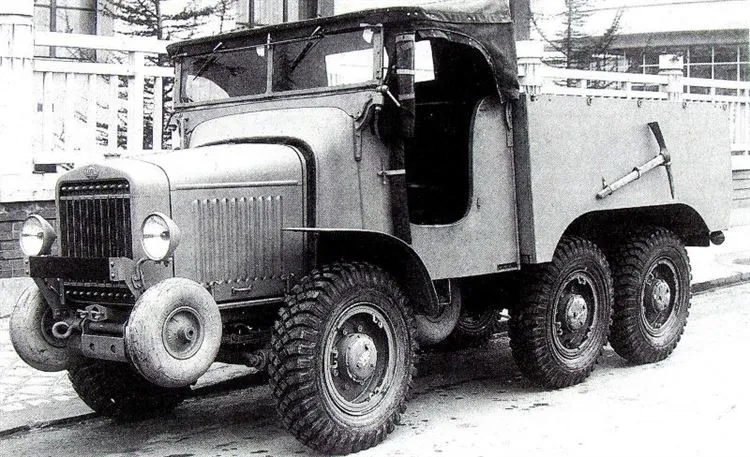
Outwardly, an ordinary Laffly S15T tractor, prepared for shipment to the French colony of Chad. 1939
The extended 68-horsepower transporter of the first production S20TL for cavalry units and towing light weapons was equipped with a high-sided 10-seat body with hinged doors or side openings, as well as boxes for ammunition. If necessary, guns of 25-60 mm caliber were placed in it. In general, 440 cars were assembled.
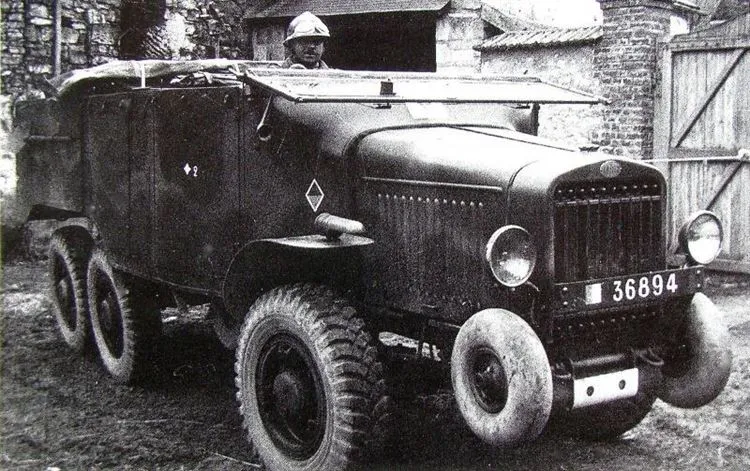
The base car Laffly S20TL with an open high-sided all-metal body. 1937
At the same time, until May 1940, Hotchkiss was engaged in completing and assembling 190 special S20TL vehicles for staff purposes, transporting infantry, telephone vans, tank trucks and vehicles for operation in the sands of the Sahara.
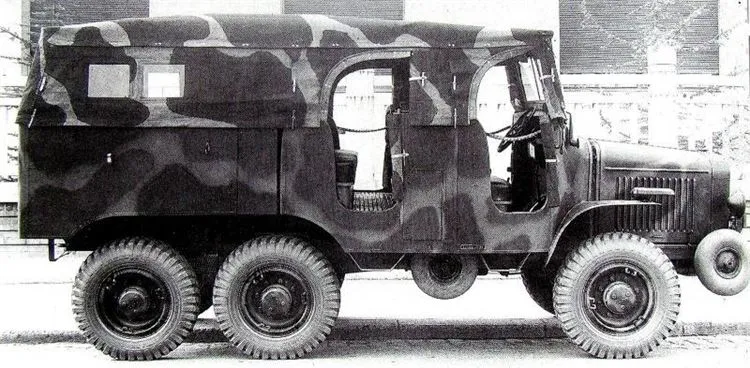
Late headquarters version of the S20TL with a high roof and four doorways designed by Hotchkiss. 1939
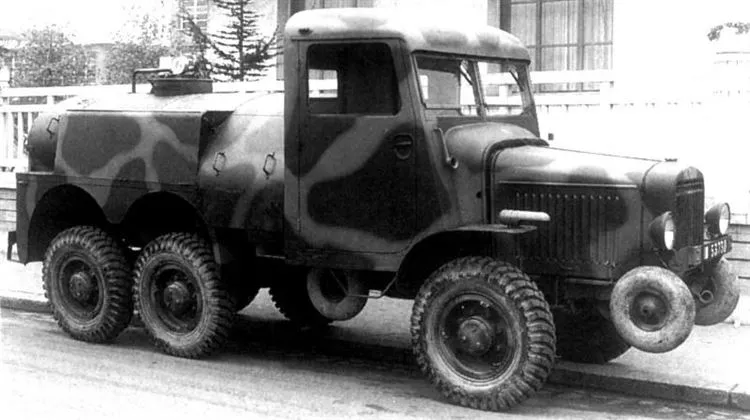
Hotchkiss tank truck on S20TL chassis with steel or light alloy tanks with a capacity of 1450 and 1900 liters. 1940
The S25T medium artillery tractor for towing guns of 105-155 mm caliber was equipped with a 60-horsepower Laffley engine, a closed body with two side doors and one narrow one leading to a compartment for eight combat crew members. They were built in 108 copies.
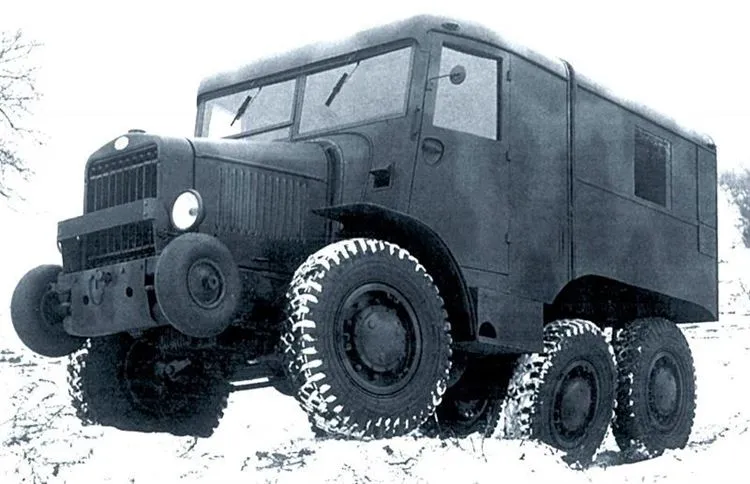
Medium tractor Laffly S25T with a van-type body with two longitudinal benches and a four-ton winch. 1938
The heavy 100-horsepower version of the S35T for working with 155-mm howitzers in the production version was equipped with a three-door body and 22-inch wheels. In the version of the tow truck, a rear mechanical crane and a six-ton winch were used. 225 of these machines were produced.
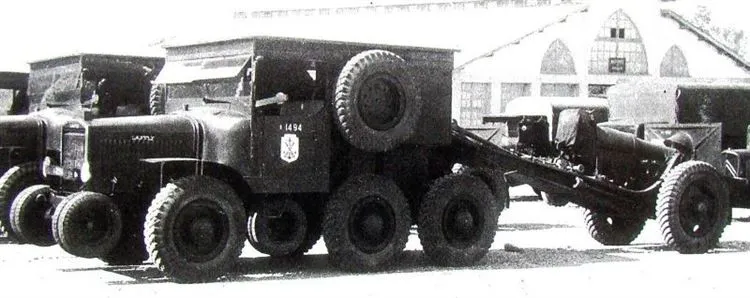
Tractor Laffly S35T of the first production with a metal body for combat crew and transportation of shells. 1937
The upgraded S45T tractor was equipped with an engine forced up to 110 forces with an aluminum block head, a vacuum brake booster and a closed body. A tank repair and recovery version with an open cabin, a rear overhead crane and a 6.5-ton winch could evacuate damaged equipment weighing up to 30 tons from the battlefield and tow the B1 tank.
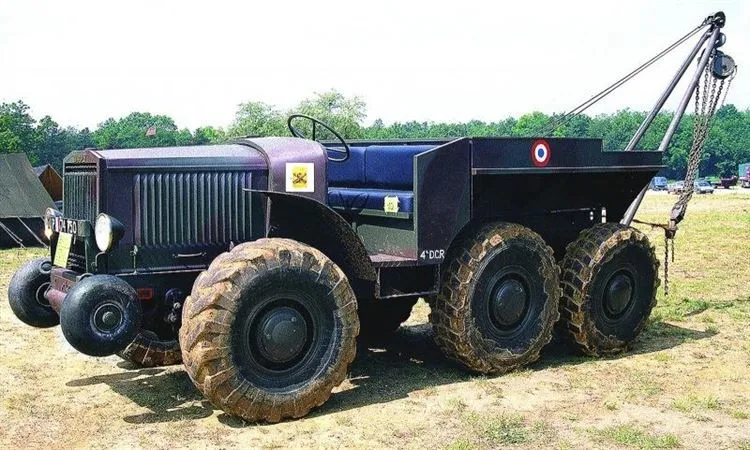
Heavy recovery vehicle Laffly S45T with a steel ballast box and a five-ton crane. 1939
Two-axle Laffly/Hotchkiss family (1938-1940)
At Laffley, the creation of a two-axle all-wheel drive family began in May 1937, when an experimental R15R staff vehicle with a 52-horsepower engine appeared. At the same time, Hotchkiss created their own prototype L480H, which differed in body shape, gearbox and tire type.
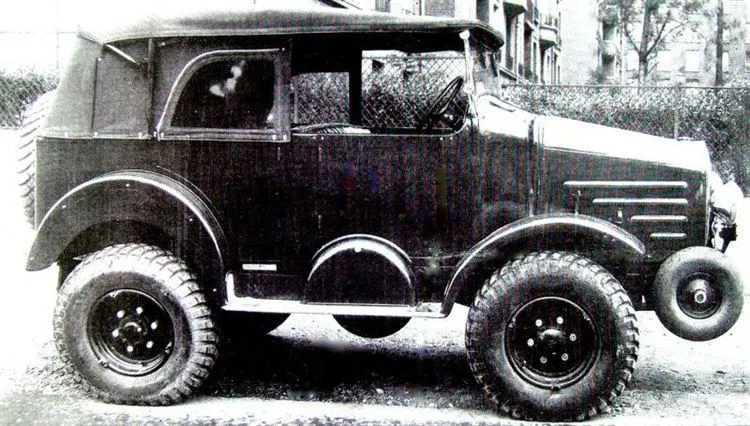
Experimental two-axle machine Laffly R15R with Hotchkiss engine. 1936
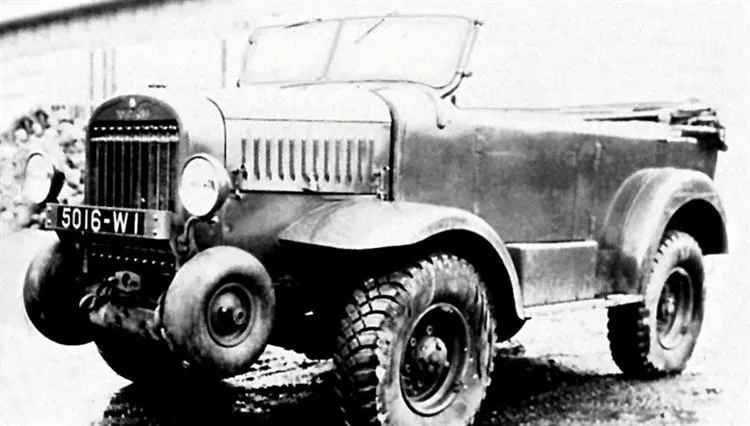
The second version of Hotchkiss L480H with modified body parts. 1937
Taking into account these developments, in the summer of 1938, small-scale assembly of Laffly V15R reconnaissance vehicles and V15T (4×4) tractors began with a 56-horsepower Hotchkiss engine and the main undercarriage units with cardan shafts and swinging axle shafts, which were halves from similar units of three-axle versions.
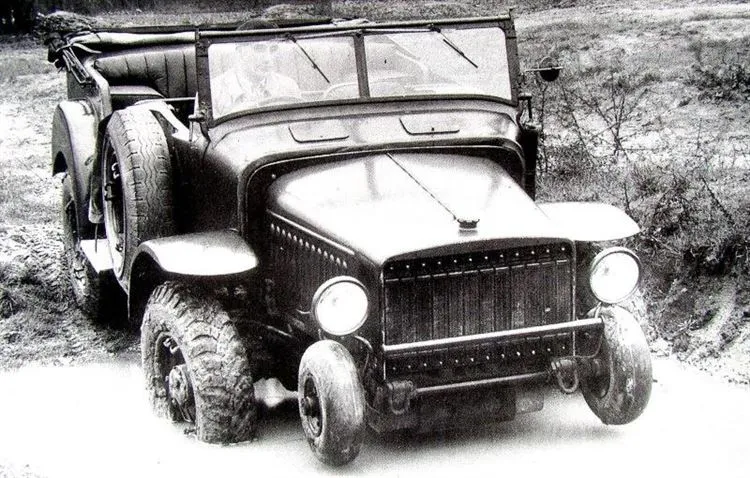
Tests of the second generation Laffly V15R reconnaissance vehicle with an open five-seater body. 1938
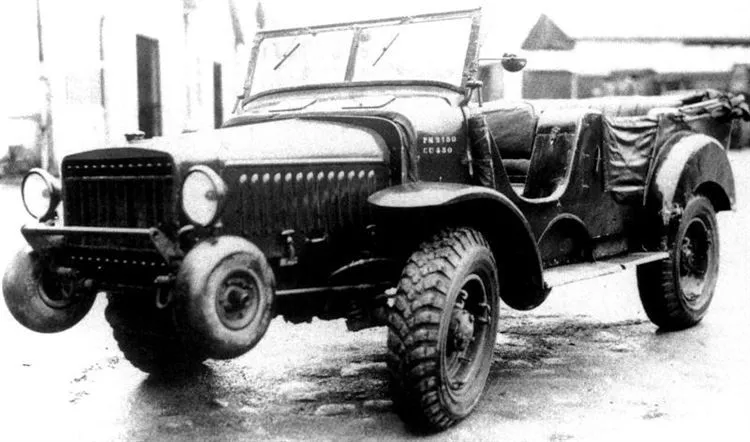
Laffly V15R with front spring suspension and door openings in the body developed a record speed of 79 km / h
Until the end of 1940, 63 V15R cars and about 200 V15T cars were assembled at Hotchkiss. In addition, the little-known “passenger” company La Licorne, which manufactured 150 all-terrain vehicles, was engaged in their release.
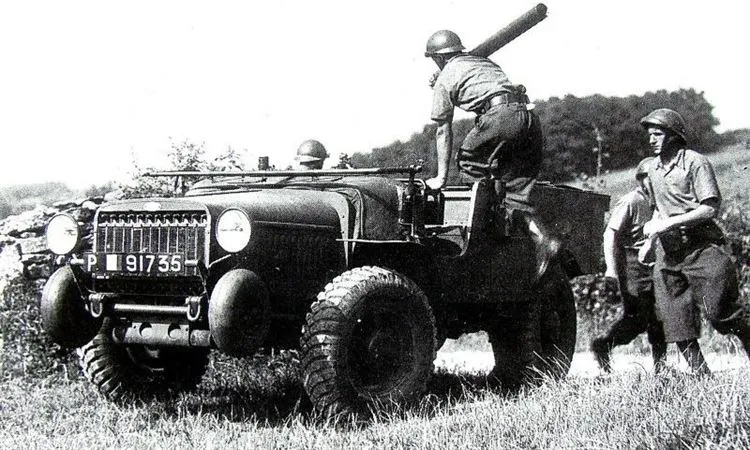
Tractor Licorne V15T, identical to the Laffly, on the exercises of cavalry units in the south of France. 1941
The second three-axle family of Hotchkiss (1938-1944, 1946)
Since 1938, the Hotchkiss company, under the Laffley license, has been producing W15R low-frame staff vehicles and W15T (6×6) tractors with the same 56 hp engine. and drive each wheel. Their main differences were modified six-seater bodies and a new front linkage spring suspension, which made it possible to lower the height of the body without reducing ground clearance.
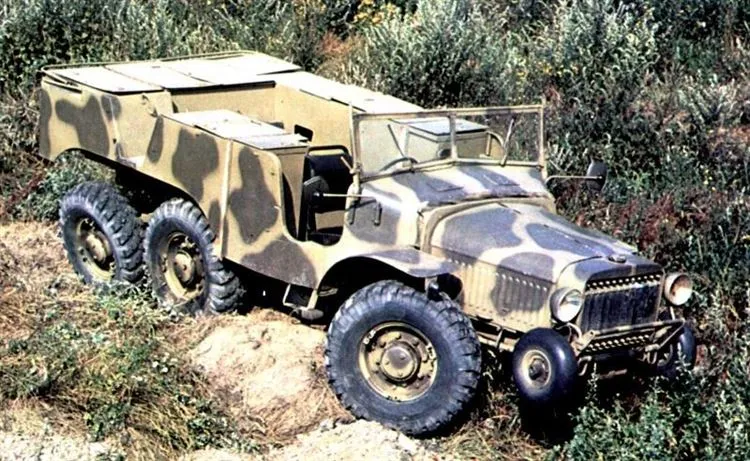
Low profile Hotchkiss W15T tractor with front independent suspension. 1939 (photo from the Museum of armored vehicles in Saumur)
Before the occupation, Hotchkiss managed to produce 148 vehicles of both types. In addition to them, Citroen assembled another 50 W15T tractors with their own 1.9-liter engines, gearboxes and high bodies.
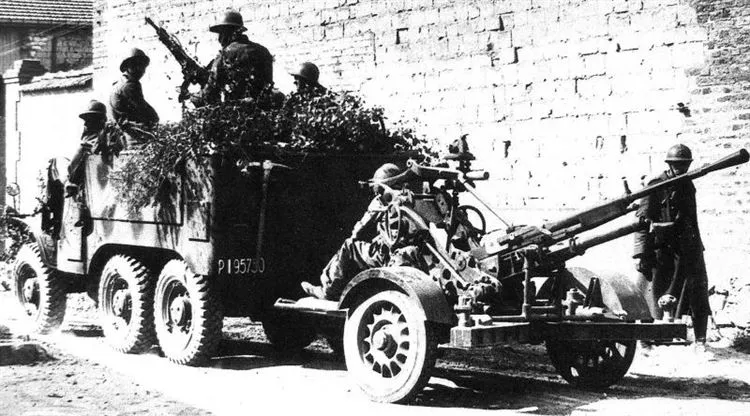
Citroen W15T tractor with 25 mm anti-tank gun, produced from December 1939 to May 1940
In May 1940, artillery mounts with swivel turrets with double armor and 47-mm anti-tank guns, built in 70 samples on a special W15TCC chassis with an open back of the cab, became the last chord.
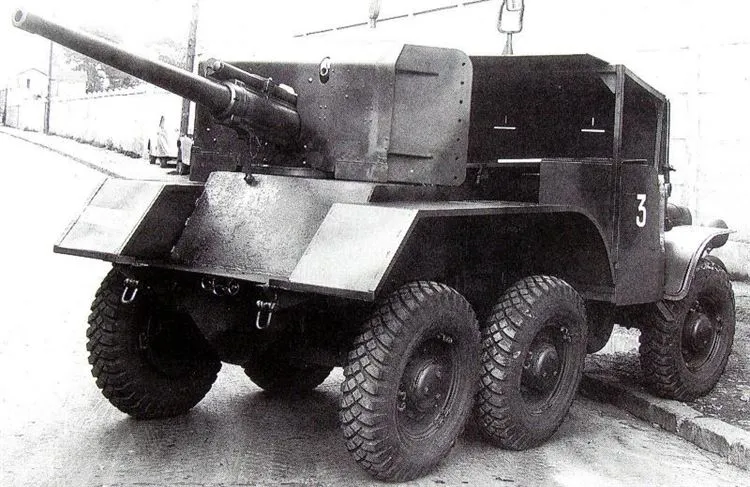
Self-propelled semi-armored installation Hotchkiss W15TCC with open places for combat crew. 1940
By June of the 40th, almost all French military equipment remained on the battlefield near Dunkirk, but the most advanced vehicles continued to be at the disposal of the Wehrmacht until 1944.
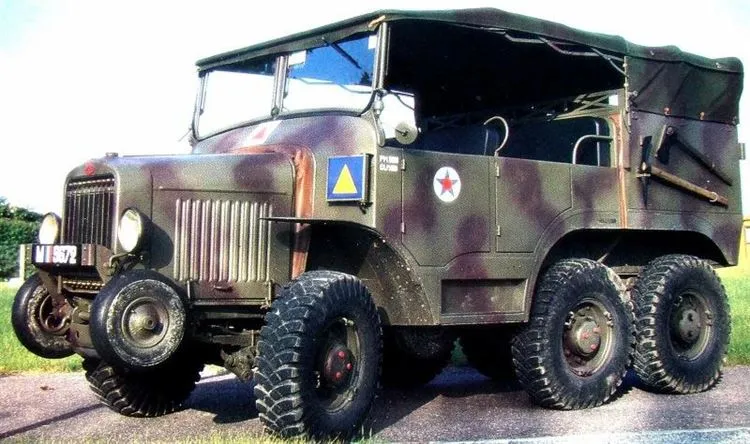
The title photo shows the largest and most powerful 110-horsepower Laffly S45T vehicle for the repair of heavy equipment in the field, which combined the functions of a tank tow truck.
The article uses only authentic black-and-white illustrations, full-scale color photographs were taken by the author.
