
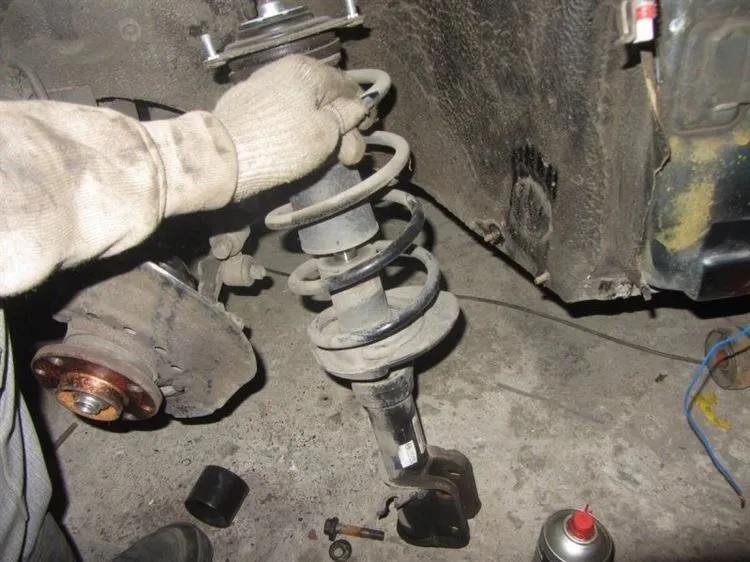
When is it better to change shock absorbers in pairs, and when it is possible to change one at a time
Every car needs maintenance sooner or later. And if in the first tens of thousands of kilometers such procedures as replacing filters and brake pads are quite likely, then when the runs exceed 100,000 km, a shock absorber and struts are often asked to be replaced.
Based on my personal experience, I can say that with adequate and careful operation, factory shock absorbers are quite capable of moving up to 150,000 km, and sometimes even more. But with such runs, problems often arise when one rack is already starting to break through or leaked, and the second is still alive.
Many drivers, seeing a defective suspension part, believe that it can be replaced separately without buying a pair of shock absorbers. Others, on the contrary, are sure that the most competent approach would be only a pairwise replacement of such elements. So how is it better? And here, oddly enough, there is no definite answer, and now I will tell you in which case you can change one shock absorber, and when it is better to change in pairs.
1 Big mileage
When the mileage on one set of shock absorbers is very large, and you have identified a defect in one of the suspension elements, it is better in this case to replace with a pair. Why? Here the logic, in my opinion, is quite simple.
Since the mileage is already high, and one strut (shock absorber) has failed, it is highly likely that the second one also does not have long to live. And in this case, it would be advisable to change the kit.
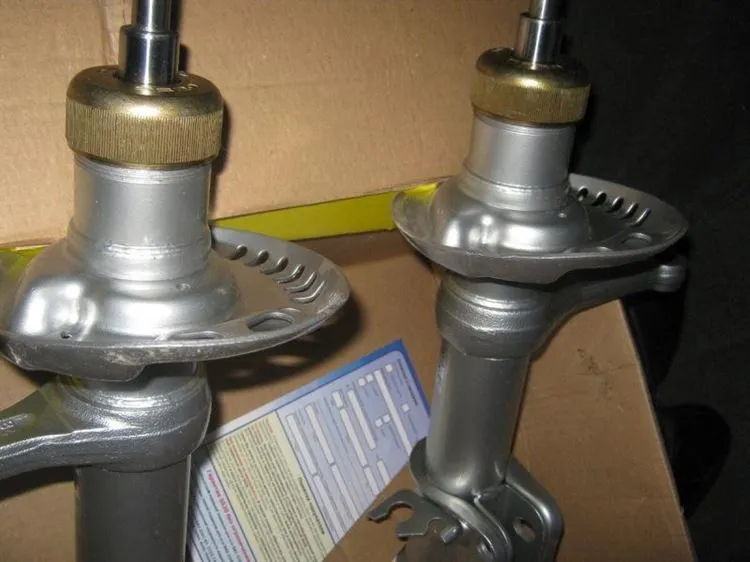
And one more thing that should not be forgotten: if you install one new one, and the second one remains the old one, then the suspension will no longer work as “synchronously” as it will with the same wear of the chassis parts. One shock absorber can hold perfectly, and the second one already “swings” when entering a turn or on bumps in the road, which is not entirely safe for driving.
2 Low mileage
But if the mileage of the car is small, and for some reason one of the shock absorbers has failed, I would recommend changing exactly one that is faulty, because the second one, in fact, does not yet have pronounced signs of wear, and the suspension will work evenly and there will be no those problems that were listed above in the first case.
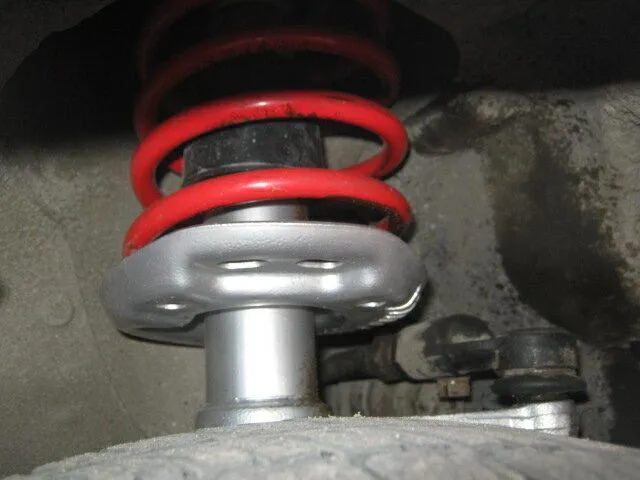
But here it is important to remember one point: you can only install a shock absorber that fully corresponds to the one already installed on the car. Both by type and stiffness, and by manufacturer.
I hope that the material will be useful to someone. If so, you can support the article with a like, and also subscribe to the channel so as not to miss new releases every day.
