Automotive technologies for comfortable driving in the city 🚗🌆
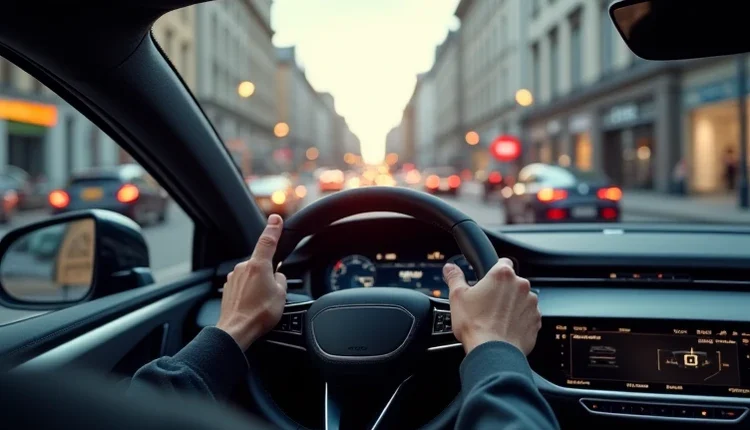
Every day, automotive technologies are developing, bringing more comfort and convenience to the lives of drivers. In modern megacities such as New York, Berlin or Paris, it is important to feel confident behind the wheel. Let's consider the key innovations that help drivers in urban conditions.
Parking assistants and navigation systems 🅿️🛰️
- Why they are needed: To facilitate parking in the limited space of city streets.
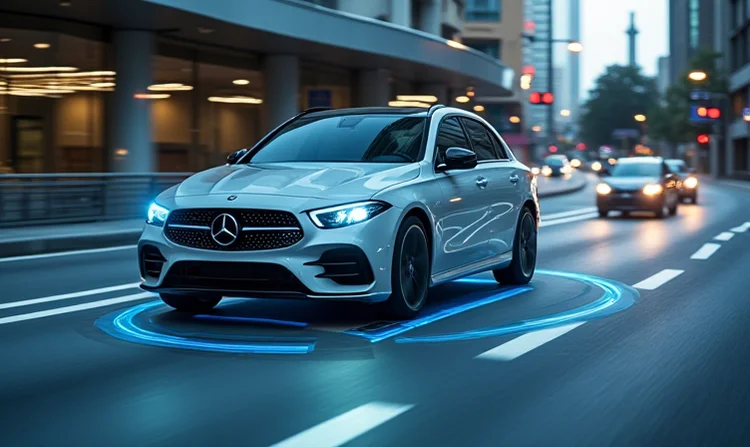
- How they work: Use sensors and cameras to determine the size of a parking space and maneuver automatically.
- Examples: Parking assistants from BMW, Mercedes-Benz, and Tesla.
Collision avoidance and automatic braking systems ⚠️🚦
- Objective: Prevention of road accidents.
- Mechanism of operation: Detection of potential obstacles on the road and automatic braking in the event of a collision threat.
- Benefits: Reduced risk of accidents, especially in heavy city traffic.
Eco driving mode 🍃🚘
- What it is: A mode that optimises fuel use and reduces CO2 emissions.
- Operating principle: Adaptation of the engine, transmission and other vehicle systems for more economical fuel consumption.
- Benefit: Fuel economy and reduction of harmful emissions.
Adaptive Lighting Control 🚦💡
- Objective: To improve visibility on the road and driving safety at night.
- Technology: Automatic adjustment of the angle and intensity of the headlights depending on driving conditions.
- Examples: Systems from Audi and Volvo that provide maximum effective illumination of the road without blinding other road users.
Image: Modern car with parking assistant system 🚗🅿️
Intelligent infotainment systems 📲🚗
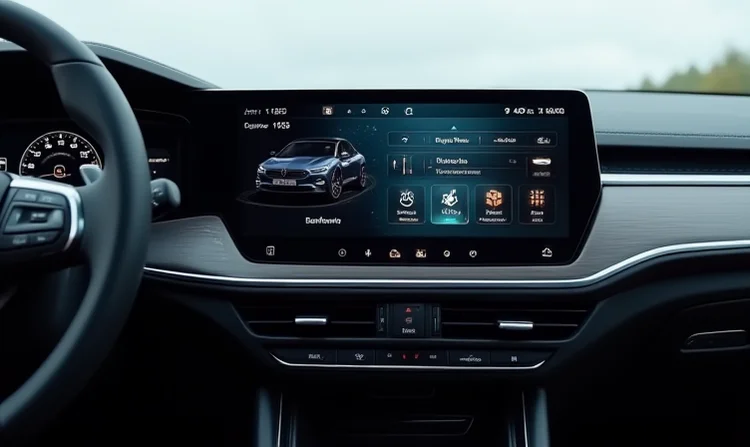
- Functions: Smartphone integration, access to multimedia, navigation and Internet services directly on board the car.
- Benefits: Improved comfort and entertainment on the road, convenient control of vehicle functions.
- Examples: Apple CarPlay and Android Auto systems, which offer easy integration with smartphones.
Automatic climate control 🌡️🌬️
- Why is it necessary: To create an optimal microclimate in the car interior.
- How it works: Automatic adjustment of temperature, humidity and air flow depending on external conditions and driver preferences.
- Examples: Climate control from Mercedes-Benz and Lexus with individual settings for each passenger.
Innovative security systems 🛡️🚦
- Meaning: Reduce the risk of accidents and improve driver and passenger safety.
- Technologies: Lane keeping assist, blind spot monitoring systems, adaptive cruise control.
- Importance: Preventing collisions and accidents, especially in heavy city traffic.
Electronic control assistants 🎮🚗
- What it is: Systems that improve the vehicle's response to the driver's actions.
- How they work: Adaptation of the suspension, steering and braking system to current driving conditions.
- Benefit: More precise and comfortable vehicle control, reduced driver fatigue.
Energy efficient technologies 💡🔋
- Direction: Development and implementation of technologies that reduce energy consumption.
- Methods: Use of LED headlights, regenerative braking, optimization of aerodynamics.
- Effect: Reduced fuel consumption and reduced environmental impact.
Autonomous driving 🤖🚗
- Trend: Development of autonomous driving systems and their gradual introduction into urban conditions.
- Prospects: Reducing the workload of the driver, reducing the number of accidents by eliminating the human factor.
- Status: Active testing and gradual implementation into production models.
Smart parking systems 🅿️🚘
- Objective: To facilitate the parking process in urban congestion.
- Functionality: Automatic detection of free parking spaces, assistance in maneuvering.
- Benefit: Reduces time spent searching for parking, reduces stress for the driver.
Development of a network of charging stations for electric vehicles ⚡🔌
- Significance: Increasing the availability and comfort of using electric vehicles.
- Actions: Expand the infrastructure of charging stations, including fast charging stations.
- Impact: Promotes the transition to electric vehicles, reduces environmental damage.
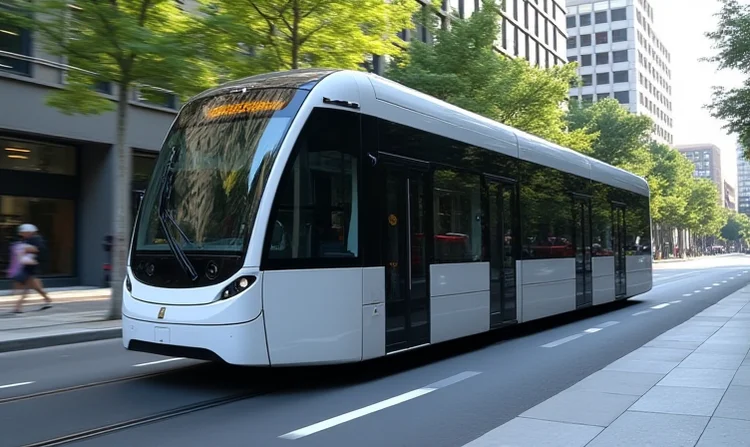
Adaptive Light Signaling 🚦💡
- Description: Intelligent traffic light control system.
- How it works: Adapts to current traffic conditions, preventing congestion.
- Benefits: Improved intersection capacity, reduced travel time.
Conclusion
Technologies for comfortable driving in the city are constantly evolving, bringing improvements to the daily life of motorists. From effective safety systems to autonomous driving, each innovation makes city driving safer, greener and more enjoyable. The adaptation of these technologies by city cars promises to make the future of driving more convenient and sustainable.
