
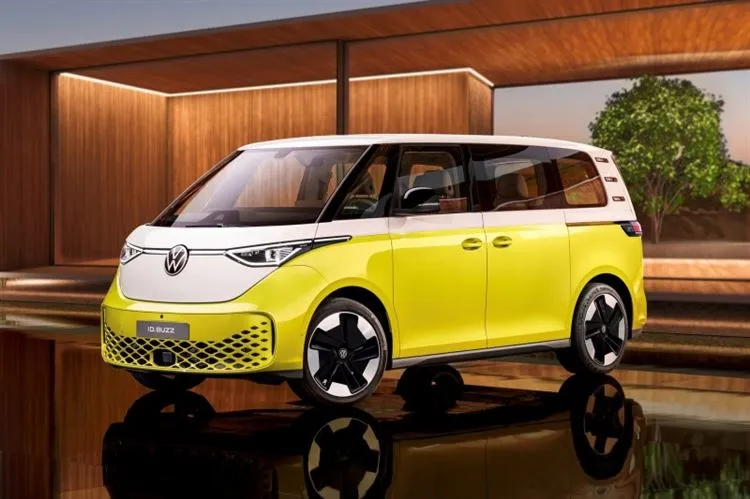
“Bull-calves” under current: VW ID. Buzz debuted in passenger and commercial versions
Volkswagen has unveiled the latest in its MEB modular electric vehicle platform: the long-awaited one-volume ID. Noise and identification. Charging noise. Initially, they will only be available with the standard short wheelbase, but long wheelbase versions will follow later.
Volkswagen has been mulling over the idea of resurrecting the legendary T1 minibus (also known as Bulli, meaning “bull”) since the turn of the century: Back in 2001, the Microbus concept was introduced, based on the hippie's favorite trailer, and a forerunner of serial identification. Buzz became an eponymous concept in 2017. In none of the iterations of the concept, VW designers did not dare to make the headlights of the new monocab round, like the classic “bull”, there are also no panoramic windows at the ends, the proportions of the body of the electric pickup truck only remotely resemble a nice bus with a serial number of the 1950s. The Buzz is more similar to the Volkswagen T7 introduced last summer and is essentially its electric alternative (the T7 is only offered with internal combustion engines).
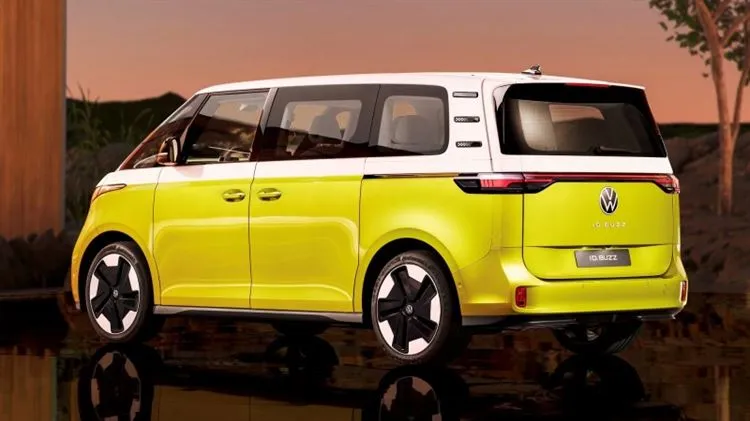
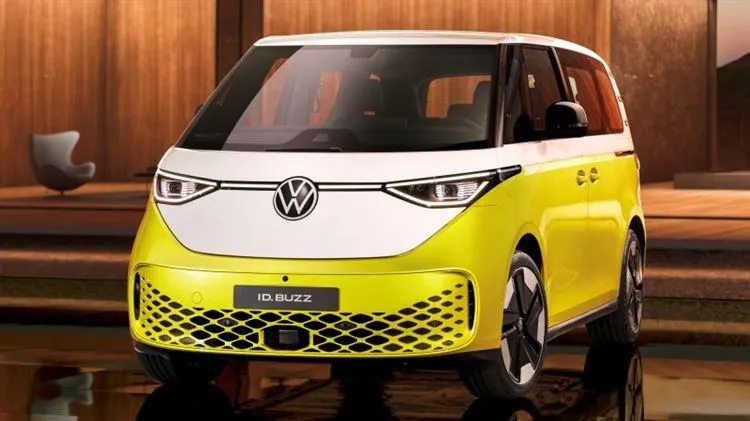
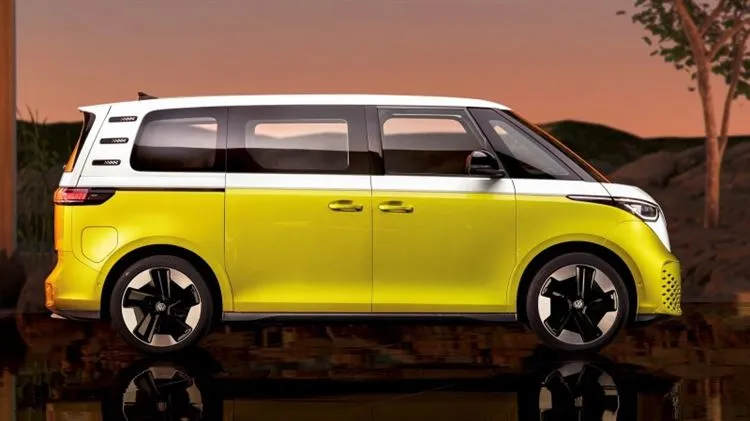
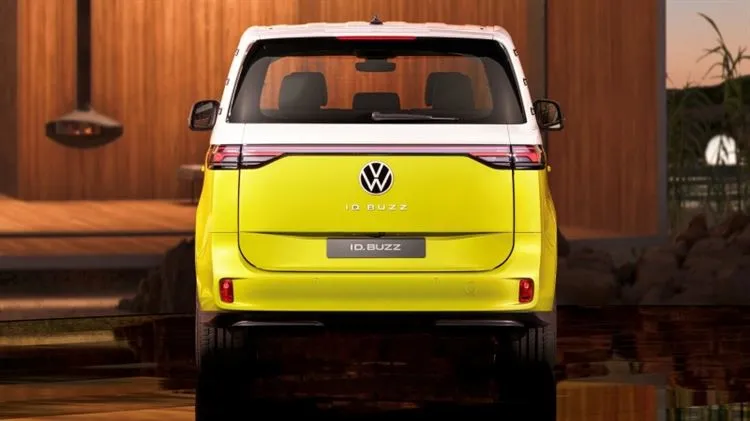
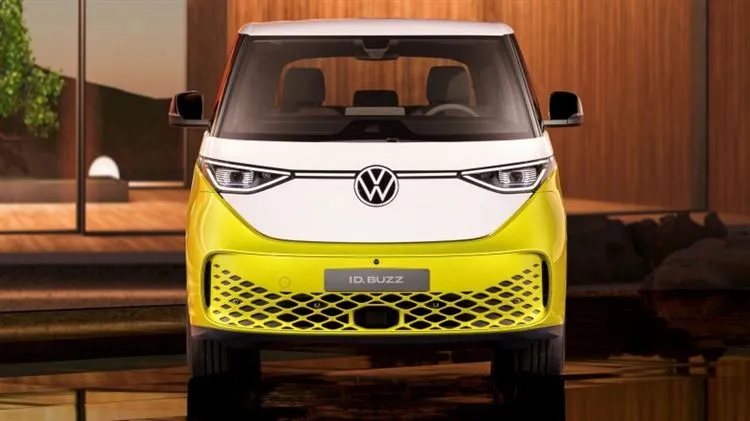
Standard wheelbase identifier. Buzz – 2988 mm, overall length – 4712 mm, height of the passenger version – 1937 mm, cargo ID. Buzz Cargo is only one millimeter taller (1938 mm). The dimensions of the future long-wheelbase version have not yet been disclosed: it will appear only in 2024 with an eye on the North American market, while there will be no cargo version of the Cargo in the USA.
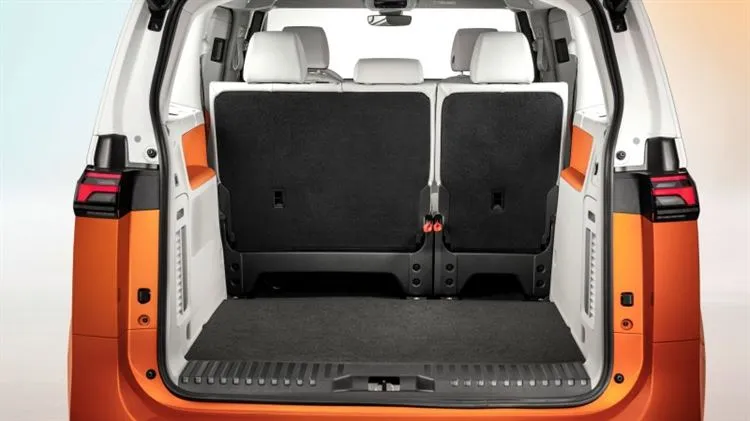
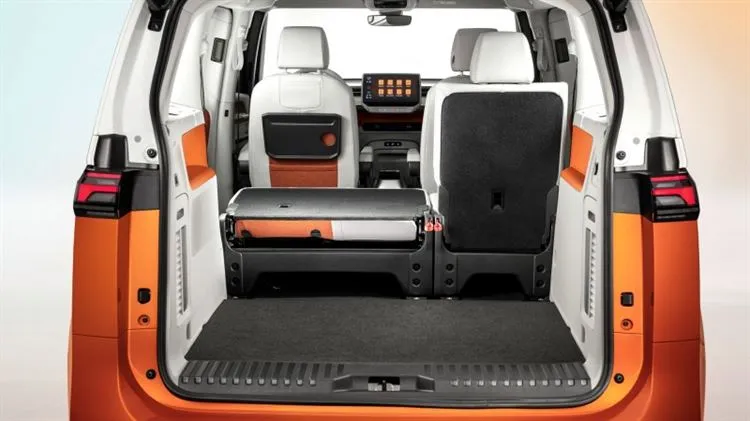
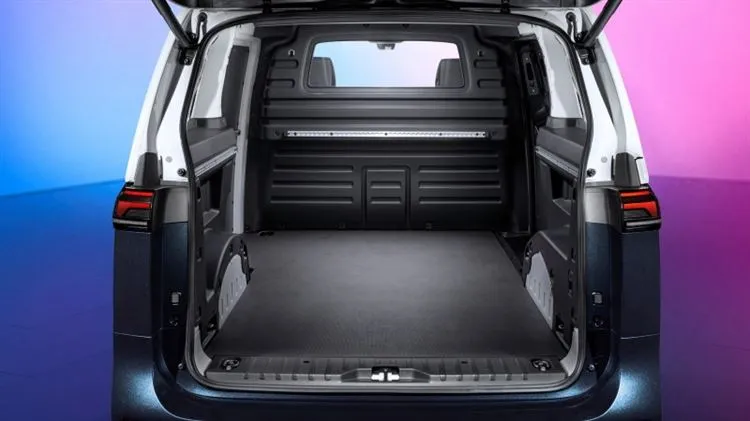
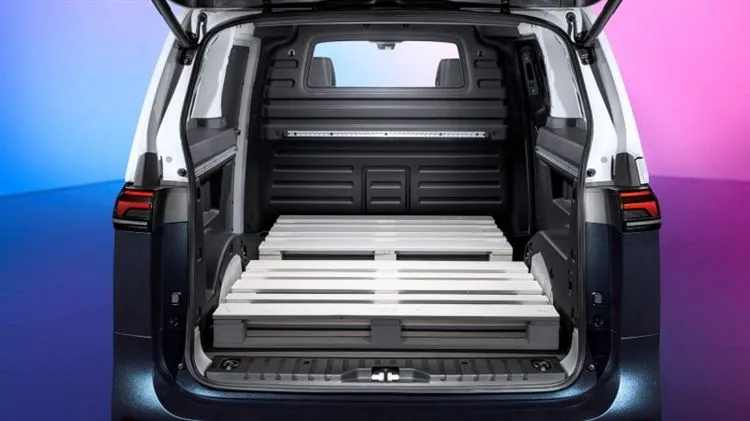
Passenger identification. Buzz so far exists only in a 5-seater version, that is, without a third row of seats, but with a large trunk volume of 1121 liters (with the second row folded down – 2205 liters). Identification of the volume of the cargo compartment. Buzz Cargo, separated from the driver's cabin by a partition, with a volume of 3.9 cubic meters, two euro pallets are placed on the floor. The passenger seat in the Cargo version can be wide, designed for two passengers. Load capacity – 650 kg. The body is well optimized in terms of aerodynamics (for example, the bottom is absolutely flat), the cx coefficient ranges from 0.285 to 0.29, depending on the modification. Tire sizes from 18 to 21 inches.
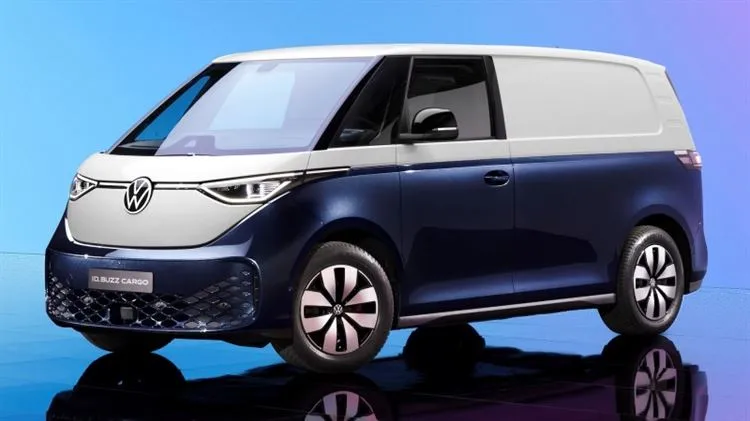
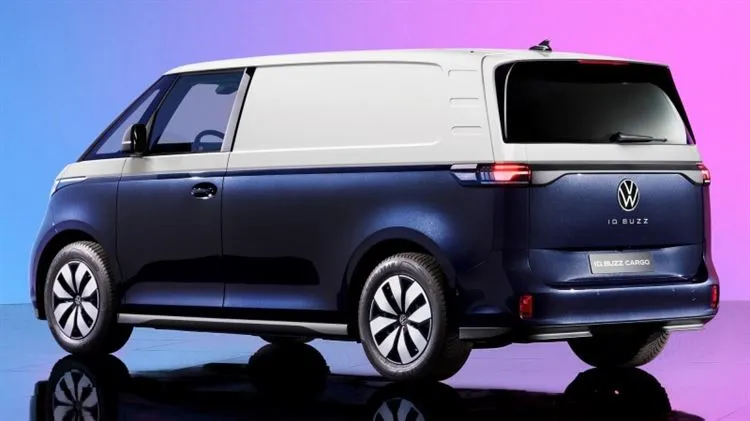
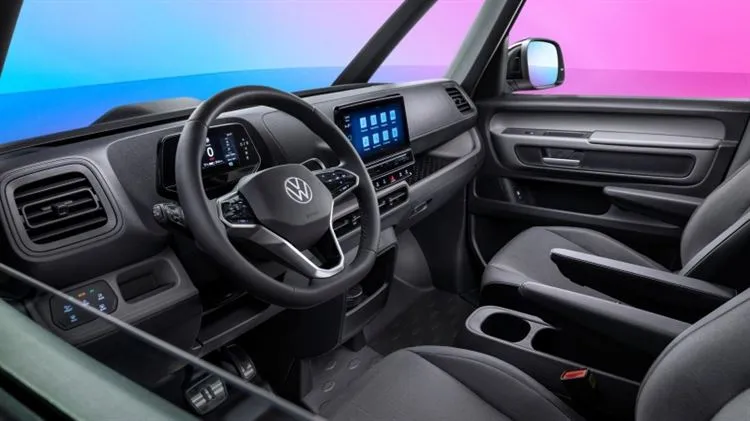
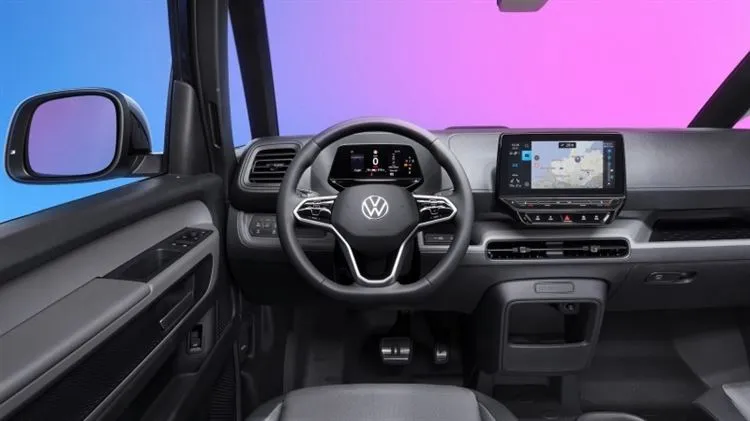
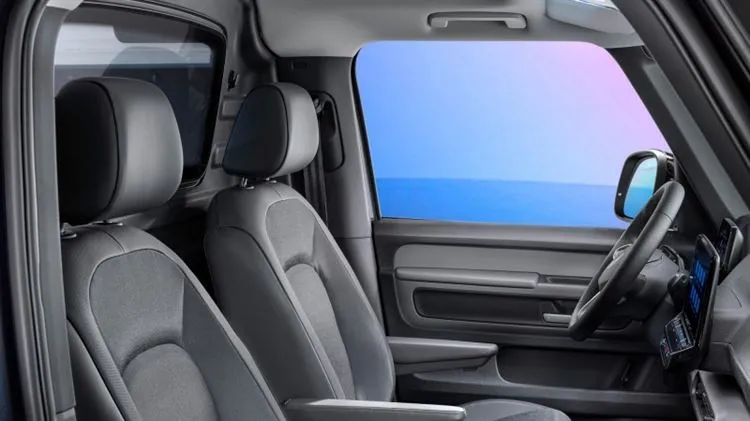
The power plant is also unique so far: one electric motor (150 kW, 204 hp, 310 Nm) turns the rear wheels. Battery capacity: 82 kWh (of which 77 kWh is available to the consumer). Power reserve on a single charge has not yet been specified. Top speed is limited to 145 km/h. The maximum battery charging power is 170 kW, which allows you to charge the battery from 5 to 80% in about 30 minutes. In the future, versions with larger and smaller batteries will appear, as well as a twin-engine all-wheel drive modification.
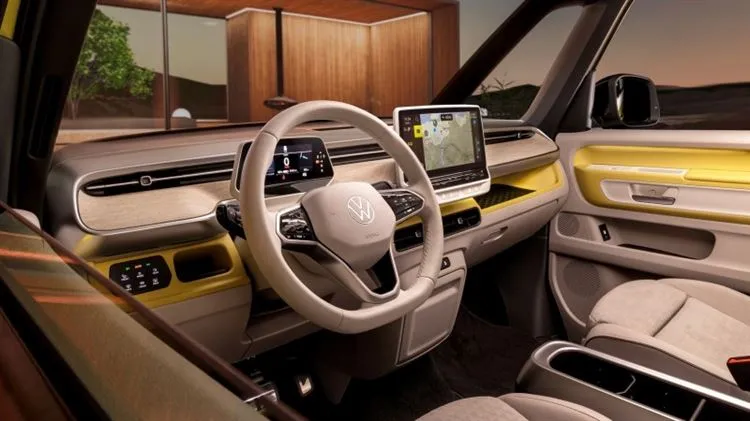
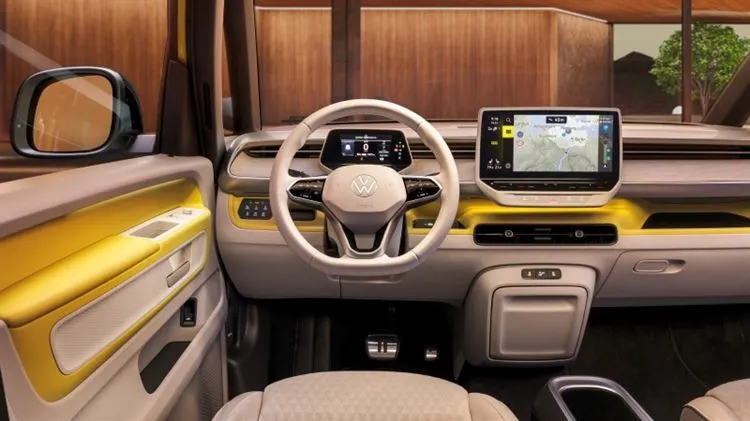
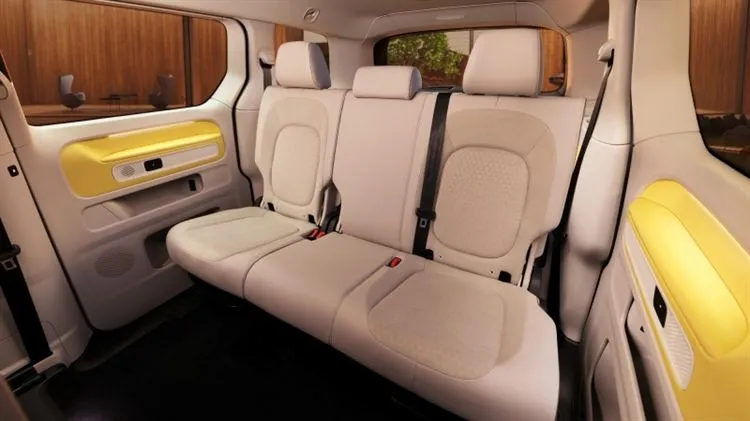
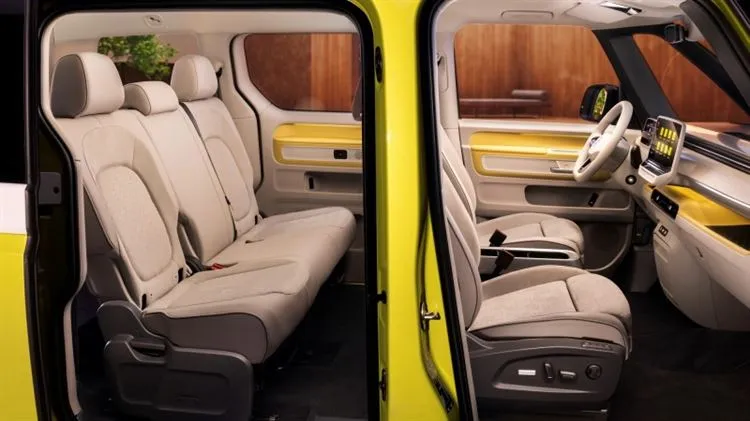
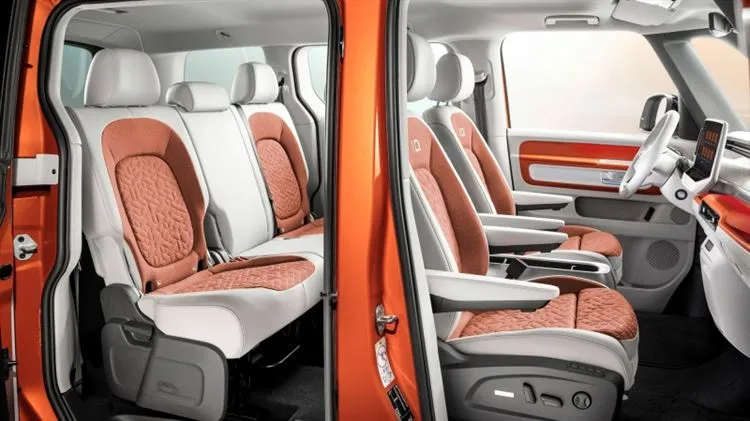
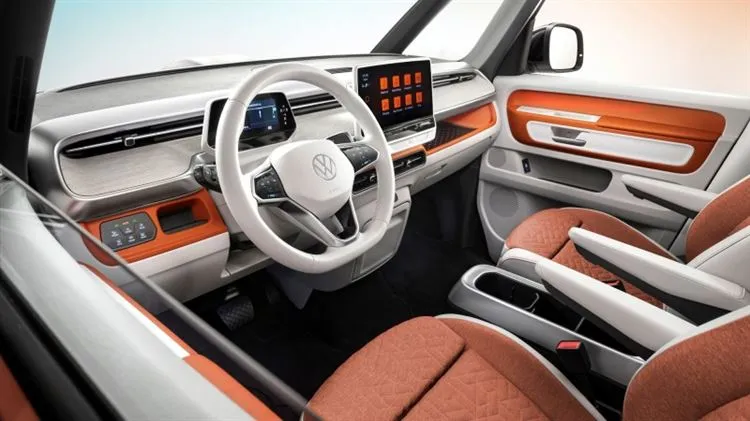
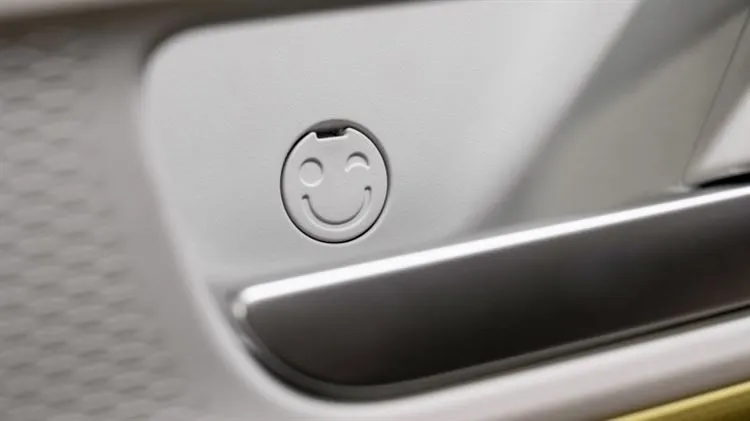
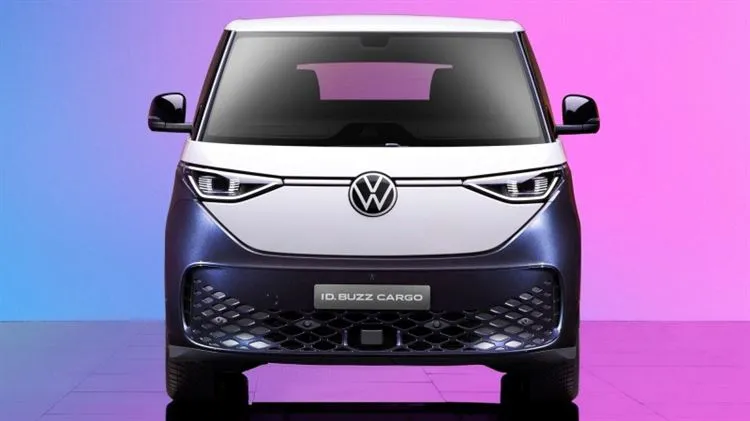
Internal identifier. Buzz is made in the spirit of other models of the ID family, that is, it retained a short 5.3-inch instrument panel and a scattering of touch buttons, which are extremely inconvenient to use on the go. The diagonal of the screen of the multimedia system is 10 or 12 inches. In the decoration – no skins of innocently killed animals, only synthetic and recycled materials. The Cargo version has a simpler front fascia design with larger side vents. Top-end versions offer the widest range of electronic driver assistance, including adaptive cruise control and parking.
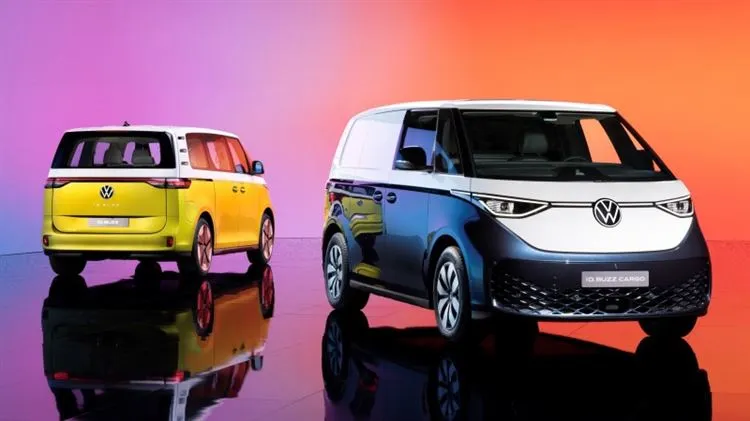
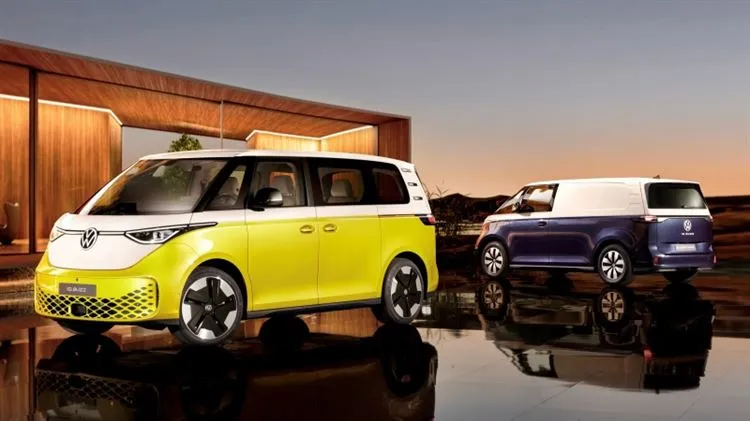
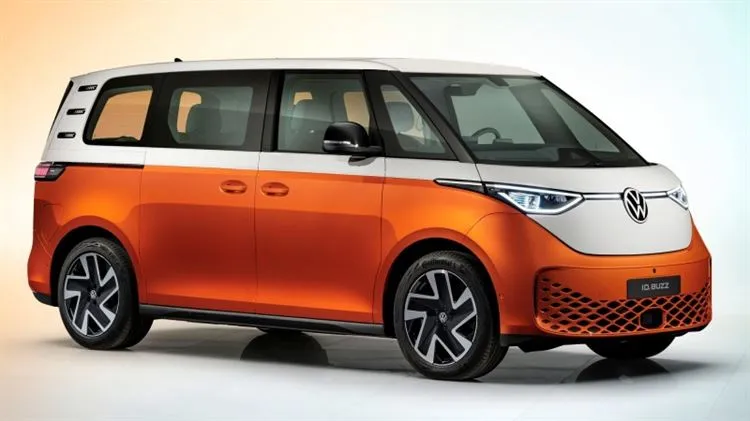
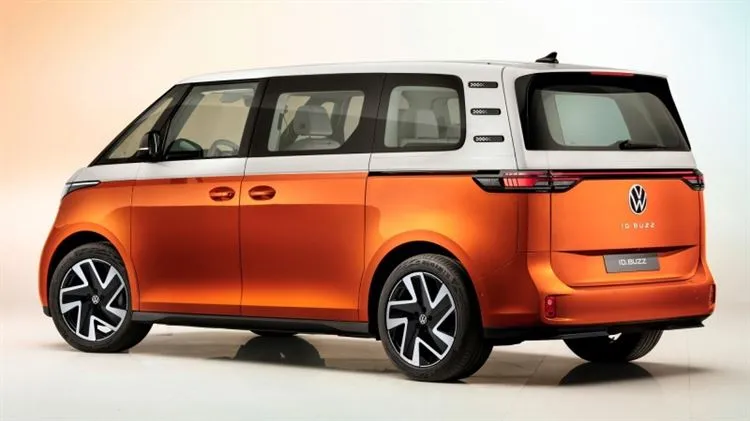
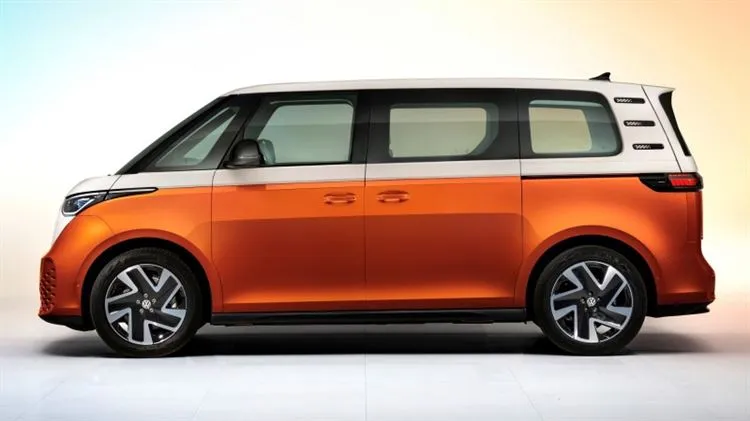
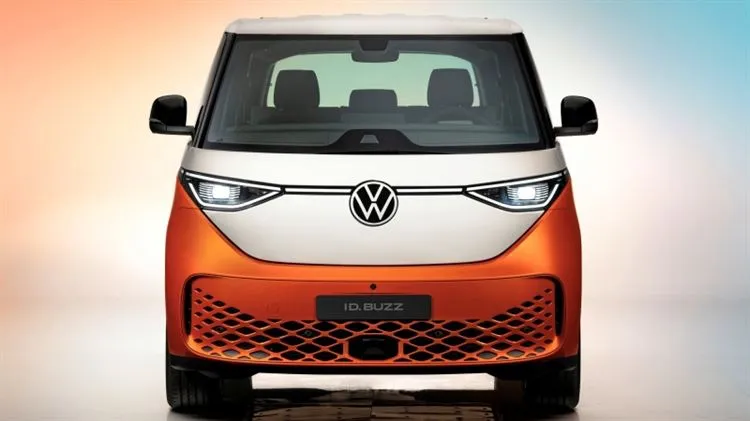
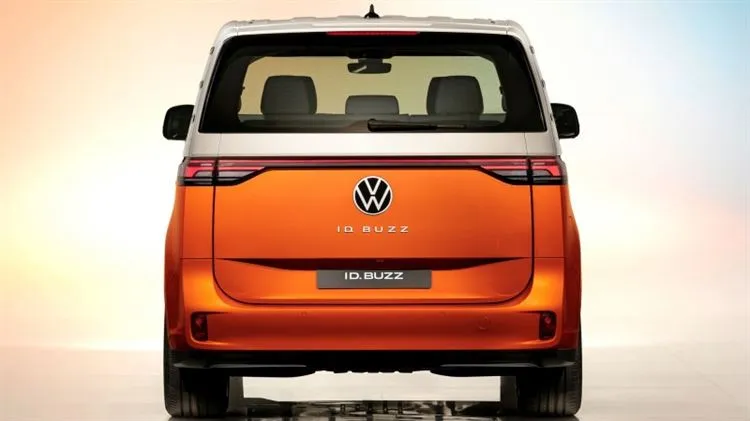
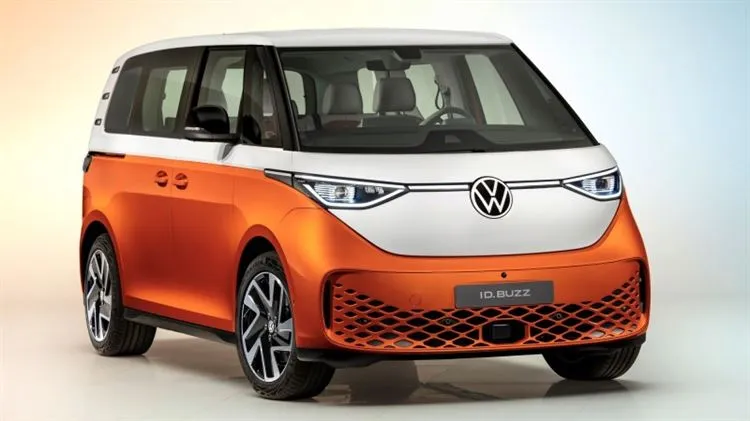
An identification number. Noise and identification. The Buzz Cargo will be located at Volkswagen's main commercial plant in Hannover, Germany. European orders will begin in May, with the first working vehicles hitting the streets in the fall. Pricing has yet to be announced, but according to the German magazine auto motor und sport, the passenger version will start at €53,900 and the commercial version at €38,900.
