
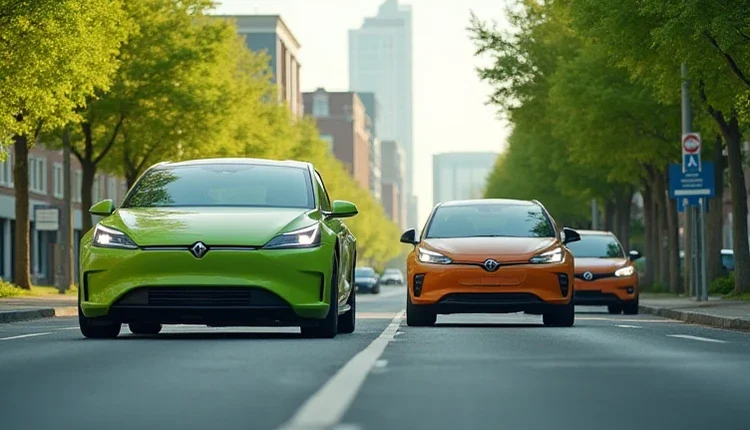
🌿 Eco-friendly cars: trends and choice in 2024
Green cars continue to gain popularity, and 2024 will be no exception. The shift to sustainable vehicles is driven by global environmental initiatives aimed at reducing carbon emissions and combating climate change.
🚗 Innovations in eco-friendly cars
Car manufacturers are working hard to create eco-friendly models. This includes improving electric and hybrid technologies, improving energy efficiency, and reducing the environmental impact of production processes.
Electric cars
Electric vehicles (EVs) remain at the forefront of clean transportation, with new models expected to arrive in 2024 offering improved range, faster charging, and affordable prices. Manufacturers such as Tesla, Volkswagen, and Nissan continue to innovate in this area.
Hybrid cars
Hybrid vehicles (HEVs) combine traditional combustion engines with electric motors, delivering more efficient fuel consumption and lower emissions. By 2024, HEVs are expected to have improved range and efficiency, making them an attractive choice for those not ready to go fully electric.
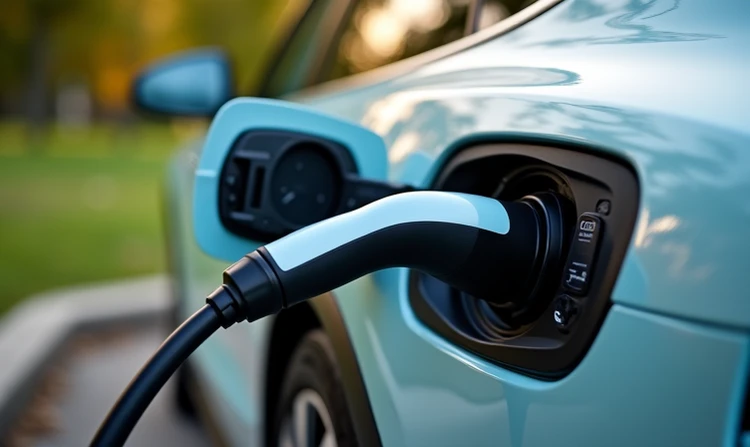
🌍 Environmental Contribution and Benefits
Clean cars make a significant contribution to reducing the environmental impact of transport. They help reduce carbon emissions, reduce air pollution and reduce dependence on fossil fuels. In the long term, this helps preserve the environment and improve quality of life.
Benefits for owners
Owners of eco-friendly cars enjoy a number of benefits, including lower operating costs, tax breaks and access to dedicated lanes. They also contribute to environmental protection, which is increasingly important to today's consumers.
🌱 Technologies and innovations in eco-friendly cars
Progress in eco-friendly car technology does not stand still. Developers are actively working on increasing battery efficiency, improving control systems and integrating the latest technological solutions.
Battery improvements
Modern lithium-ion batteries for electric vehicles and hybrids are becoming more powerful and durable. This allows for increased range on a single charge and reduced charging time.
Intelligent control systems
Intelligent control systems optimize energy use, allowing vehicles to operate more efficiently. This includes adaptive driving mode control, regenerative braking, and other innovative features.
📈 Market trends and consumer demand
The market for eco-friendly cars continues to grow, given the increasing demand from consumers. Increased attention to ecology and sustainability, as well as the development of electric vehicle charging infrastructure, are contributing to this trend.
Demand in the market
Analysts predict a significant increase in sales of electric and hybrid vehicles in 2024. This is due to growing awareness of environmental issues, as well as improved quality and availability of these vehicles.
Infrastructure development
The expansion of the charging network and the improvement of the conditions for using environmentally friendly cars are encouraging consumers to switch to more environmentally friendly vehicles. The increased availability and ease of use of such cars contributes to their popularity.
🚘 Comparative Analysis: Electric Cars vs. Hybrids
The choice between electric vehicles and hybrids is becoming increasingly important. Each of these options has its own unique advantages and disadvantages that should be considered when making a purchase.
Advantages of Electric Vehicles
- Environmentally friendly: No CO2 emissions during operation.
- Fuel Economy: Electric vehicles eliminate the cost of gasoline.
- Low running costs: Electric vehicles typically have lower maintenance costs than traditional cars.
Advantages of Hybrid Cars
- Long-range capability: Longer range than pure electric models.
- Fuel flexibility: Possibility to use both electricity and gasoline.
- Environmentally friendly: Reduced CO2 emissions compared to traditional petrol or diesel vehicles.
🌍 Impact on the environment and society
Clean cars have a significant positive impact on the environment. Reducing emissions of carbon dioxide and other pollutants helps improve air quality and combat climate change.
Environmental benefits
- Reduced air pollution: Electric and hybrid vehicles significantly reduce harmful emissions.
- Reducing Dependence on Fossil Fuels: Switching to alternative energy sources reduces the need for oil.
Public perception
Public awareness of the importance of environmentally friendly vehicles is growing. This is leading to increased demand and incentives for the production of more environmentally friendly vehicles.
🌐 Global Trends and Innovations in 2024
In 2024, the automotive market is undergoing a revolution, thanks to new technologies and changing consumer preferences. Innovations in electric vehicles and hybrids play a key role in this process.
Technological innovations
- Improved batteries: Electric vehicles now have larger capacity batteries, increasing their range.
- Innovative hybrid systems: Advanced hybrid technologies deliver better efficiency and performance.
Market trends
- Growing demand for green cars: More consumers are choosing electric vehicles and hybrids as their primary means of transport.
- Government support: Many countries provide tax breaks and subsidies to encourage the purchase of clean cars.
📈 Economic aspects
Economic factors play a significant role in the choice between electric vehicles and hybrids. Cost of ownership, electricity prices, and government incentives all influence consumer decisions.
Cost of Ownership
- Electric vehicles: Initial cost may be higher, but running costs are lower due to no need for fuel and low maintenance costs.
- Hybrids: Although they require fuel, their efficient use of energy can reduce overall fuel costs.
The influence of public policy
Government incentives such as tax breaks and subsidies have a significant impact on the green car market, making them more accessible to a wider range of consumers.
🏁 Conclusions
The choice between electric vehicles and hybrids in 2024 depends on a number of factors, including personal preference, cost of ownership, and environmental impact. Both types of vehicles offer benefits, but their role in the future of the automotive industry will continue to evolve in line with technological advances and changes in the global economic and environmental environment.
