
🌍 Electric cars and ecology: contribution to preserving the environment 🌱
Electric cars have become a symbol of a new era in transportation, offering a solution to reduce the impact on the environment. Switching to electric cars promises many environmental benefits, especially in countries with developed infrastructure, such as Germany, the United States and other European countries. Here you will find eco-friendly car accessories that will help you make your trip even more sustainable.
📊 Electric vehicles' contribution to reducing emissions
Reducing carbon dioxide emissions
Electric vehicles do not emit CO2 emissions into the atmosphere during operation, making them significantly more environmentally friendly than traditional petrol or diesel vehicles. Research shows that electric vehicles can reduce greenhouse gas emissions by up to 30-40%, even taking into account the production and disposal of batteries.
Reducing air pollution in cities
Urban areas, especially in large cities in Europe and the United States, suffer from high levels of air pollution. Using electric vehicles helps reduce toxic emissions such as nitrogen oxides and particulate matter, improving air quality and providing a healthier environment for residents.
Improving energy efficiency
Electric vehicles have a higher energy efficiency than traditional internal combustion engines. This means that most of the energy consumed is used directly for movement, rather than being lost as heat.
🌿 Green technologies and the future of transport
Integration with renewable energy sources
The development of charging networks integrated with renewable energy sources such as solar and wind allows for an even lower carbon footprint for electric vehicles, creating the potential for a completely carbon-neutral transport future.
Battery improvement and recycling
Battery technology is constantly evolving, increasing capacity and reducing weight. Work is also underway to improve the recycling of used batteries to minimize their impact on the environment.
Variety of models on the market
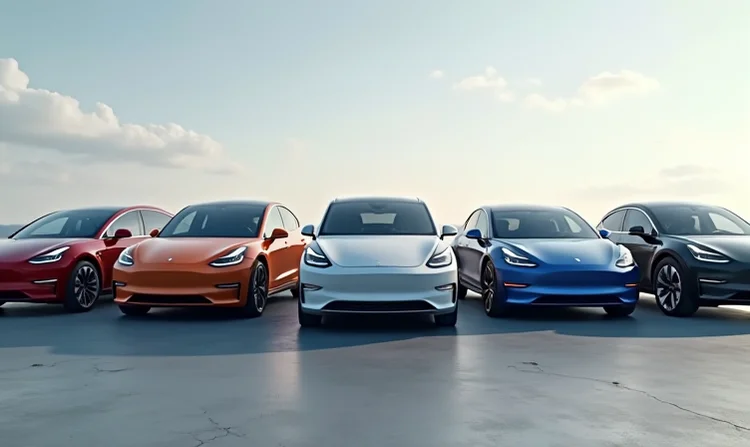
Electric cars are currently available in a variety of classes and price ranges, making them accessible to a wide range of consumers. From compact city cars to luxury sports models, the choice is impressive.
🚀 Development of charging infrastructure
Expansion of the charging station network
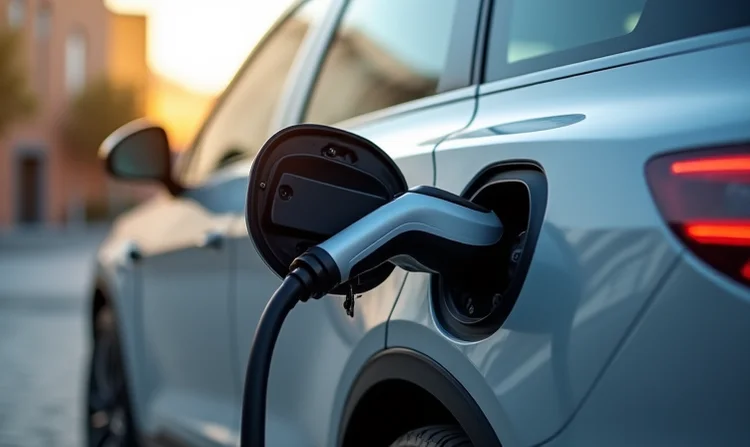
For the convenience of using electric vehicles, the availability of a developed charging infrastructure is critical. In Europe and the United States, new charging stations are being actively built, including fast and ultra-fast charging points, which makes long-distance travel by electric vehicle much easier.
Integration with smart technologies
Modern charging stations are often integrated with smart technology, allowing drivers to monitor charging availability and status via mobile apps. This improves the user experience and helps optimize charging.
Government support
Many governments offer subsidies and tax breaks to encourage the construction of charging infrastructure, helping to accelerate its development and make electric vehicles more affordable.

💡 Trends and prospects for the development of electric mobility
Global transition to electric vehicles
With the drive to reduce carbon emissions, many countries are setting ambitious targets to fully switch to electric vehicles in the coming decades. This creates huge potential for growth in the electric vehicle market.
Innovations in Autonomous Driving
Electric vehicles are ideal for integration with autonomous driving technologies. Their electrical systems provide the necessary power and stability to run the complex algorithms and sensors required for autonomous vehicles.
Sustainable production
Sustainable production of electric vehicles, including the use of environmentally friendly materials and waste minimization, is a key aspect of reducing the overall environmental impact of the automotive industry.
🌐 Impact on global economics and politics
Economic growth and new jobs
The development of the electric vehicle sector is creating new jobs, from component production to the construction and maintenance of charging stations. It also includes research and development into new technologies and improvements to manufacturing processes.
Changes in energy policy
The transition to electric vehicles requires a review of energy policy, including increasing electricity production from renewable sources and upgrading energy networks to ensure stable and efficient energy distribution.
International cooperation
Electromobility is driving international cooperation on technologies, charging standards and environmental regulations, contributing to global efforts to combat climate change.
📚 Education and awareness
Information campaigns
Raising awareness of the benefits of electric vehicles and their contribution to environmental protection is key to accelerating their adoption by society. Educational campaigns and public awareness programs play an important role in this process.
The role of educational institutions
Universities and technical colleges play a central role in training the next generation of engineers and developers who will be behind innovations in the field of electric mobility. They also contribute to research and development of new technologies.
Consumer education
Providing consumers with accessible and understandable information about the benefits and features of using electric vehicles helps dispel common myths and concerns associated with the transition to electric transport.
🌟 Conclusion: Results and Prospects
Electric vehicles are not just an alternative to traditional cars, but also a key element in the fight against climate change and pollution. Their impact extends across many areas, from improving air quality in cities to creating new jobs and promoting international environmental cooperation.
Contributing to a sustainable future
With the ever-growing need for sustainable and environmentally friendly technologies, electric vehicles are becoming not only an economically viable choice but also a moral necessity to preserve our planet for future generations.
Technological innovations
Continuous innovation in the field of electric mobility, including battery improvements, charging infrastructure development and integration with renewable energy sources, are opening up new horizons for the transport industry.
Global significance
Electric vehicles are more than just a means of transportation. They are part of a global movement towards a cleaner, greener and more sustainable future, where each of us plays a role in preserving our planet.
Ultimately, electric vehicles represent a significant step forward in our quest for greener and more sustainable lifestyles, demonstrating that technological advancement and environmental concern can go hand in hand.
