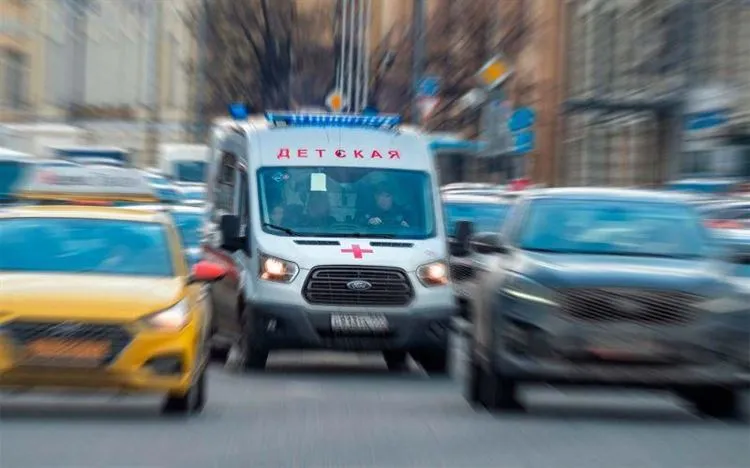
Ambulance drivers – about motorists
Why motorists don't let ambulances pass, why they often have a flashing light without a siren, when you need to press the panic button, and who is most likely to blame for the accident, drivers of special equipment told Autonews.ru
Photo: Konstantin Kokoshkin / Global Look Press
Two days later, ambulance drivers work. To obtain the right to drive an ambulance, you must obtain a professional driver's license of at least two categories and have five years of work experience in the city. Some people work all their lives behind the wheel of an ambulance, while others manage to combine them.
The drivers from St. Petersburg, with whom Autonews.ru spoke, turned out to be completely different: strong, big guys with scars on their faces, some resemble American TV show professors, and there are even quite ordinary pensioners. They treat their work without pathos, criticize the approach to recording accidents, crowded yards with cars and motorists who do not give way to them to the end.
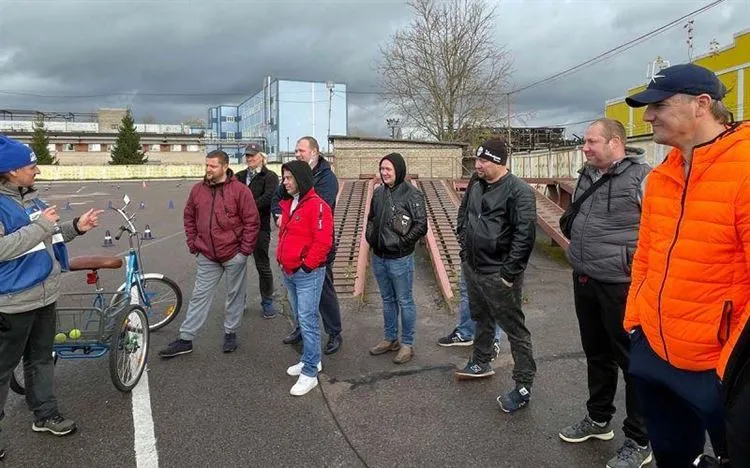
Photo autonews.ru
Why drivers interfere with ambulances and how to behave
“Some drivers are stubborn and just won't let me in even though I drive with a flasher. I exhale, bypass them and move on. No need to be nervous and tired. Sometimes there is confusion due to the fact that we only turn on the flasher, and the siren does not work. Some drivers think this way: if you drive with flashing lights, then you will go “red”, which means you can run against the rules. But in principle, if we go to a call, even if it is not urgent, we will still activate special signals. Drivers make their way, let. And I'm standing next to them at the traffic lights. Then they decide: “Oh, if so, then you have nowhere to hurry! Because then I turned on the flashers, so I won’t let you in at all!”
“The flashers are always on. Just to point out that I can deviate from the rules and break something at any time. And to get an immediate advantage, you have to turn on the buzzer and make sure that you are allowed to pass and that everyone can see.
“Many ordinary citizens do not understand that we simply designate ourselves with flashing lights. At the traffic lights, they start to get nervous, somewhere to go astray. I'm just getting attention. Yes, he has not violated yet and I am not in a hurry, but in a second a signal from the mobile group may come.
“Driving schools do not seem to explain to drivers at all how to behave when a car with special signs appears nearby. I took measurements: at equal distances in the same hospitals, only with a flashing light, and then with a siren. It turned out that without a siren I get faster. Because people get lost, do not know how to behave, and interfere. They start trying to park, climb somewhere and create problems for me.”
“How to behave when you get into an ambulance? There is no need to make unnecessary body movements. I myself know what to do and how to get around you. If there is nowhere to go, we will go to the oncoming lane and bypass everyone. If there is room, move; if not, don't move. The main thing is that the riders see me.”
What not to do on the road
“The worst thing is the phones! When drivers poke their noses into phones, they don't even hear the flashing lights. And when we turn on the “charlatan”, they begin to shrink, creating emergency situations. Because they get nervous. There are those who do not look in the mirror and play checkers. Taxi drivers are a separate category.
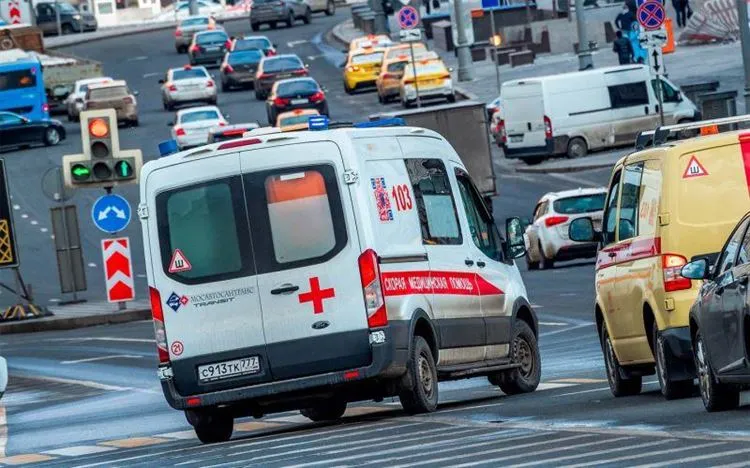
Photo: Konstantin Kokoshkin / Global Look Press
“If there is a possibility of an accident, women get behind the wheel and close their eyes – so their cars are usually unmanageable. These are statistics, I have worked in accidents for many years, I have seen and heard many times. I ask why she did not run away from the collision, what happened? And the first thing they say is how they covered their faces with their hands. These are instincts. Few women drive like men. The scariest category is women who don't have a quick reaction.”
Why ambulances have to move into the oncoming lane
“Riding in the opposite lane every time is very scary. And such a need arises quite often. If an oncoming car comes forward, then this is a minimum – material damage, a maximum – corpses. And the blame will fall on the driver of the ambulance. Because the rules of the road say we have to make sure we're allowed to pass.”
“I’m not afraid, but I’m not afraid of oncoming cars either. And those drivers who sit on their phones and drive forward with their knees on the steering wheel. Of course, they will never see me like this, and with such maneuvers, I just have to get back into the pile of my turn. That is, if the oncoming lane does not pass, we again try to get inside.
“They showed me the middle finger in the oncoming lane. I was driving into the oncoming lane, carrying a seriously ill child. I had to go out to overtake, and the driver of the oncoming car showed me these vile gestures. As long as you don't chase them, they don't care. But if their child is so lucky, they will say that I drive too slowly.”
“Recently, a situation developed in Moscow when the driver of a Toyota RAV4 was accused of improper actions and allowing an ambulance to pass. But he didn't know where to go, so he stopped and let the ambulance pass. There is no direct instruction in the rules of the road on how to act in such a situation. And then he was interrupted by the driver of the ambulance. This time he did it.”
“Now the drivers have become more adequate, someone on the left disperses, someone on the right, clearing entire lanes. This is not always the case, but most of them are cute. I think it started 3-4 years ago. Something has changed in their heads. Many went to Europe, saw how special equipment was let through there. There, people disperse and leave the central part for an ambulance, get up with a Christmas tree. And we started doing it too. But if one started, then others follow these rules.
Who will be to blame for an accident with a hurrying ambulance
“There are two rules with ‘flashing lights' – they do not give advantage on the road, but only point to it. And if with flashing lights and special signs you deviated from the rules of the road and got into an accident, then 100% In any case, it will be your fault. Anyway. Because a professional ambulance driver must first make sure that he is seen on the road and anticipate the situation. Yes, we have to run the rules of the road, but first we have to double-check them 100 times.”
“I had an accident and was found guilty. I was told: “Pay for property damage.” There is nothing right about this. This is abroad, if you have not abandoned special vehicles, then you can go to a ram. And we must be responsible for every scratch. My second job is as a rescuer of the Ministry of Emergency Situations. For every scratch on the rescue vehicle, I get kicked.”
“A lot of new cars have been killed now. They donated new cars, and now they are already standing and waiting for repairs, because they were given to someone it is not clear. Some people turn on the sirens and are unsure of the safety. The level of the driver is different, sometimes drivers just can't cope. Recently, a new Ford appeared, and two days later he was already on his side. I was driving, they didn’t convince me, they drove me on the side of the road. “
“Insurance? Do not make me laugh. In any case, the guilty driver will pay.”
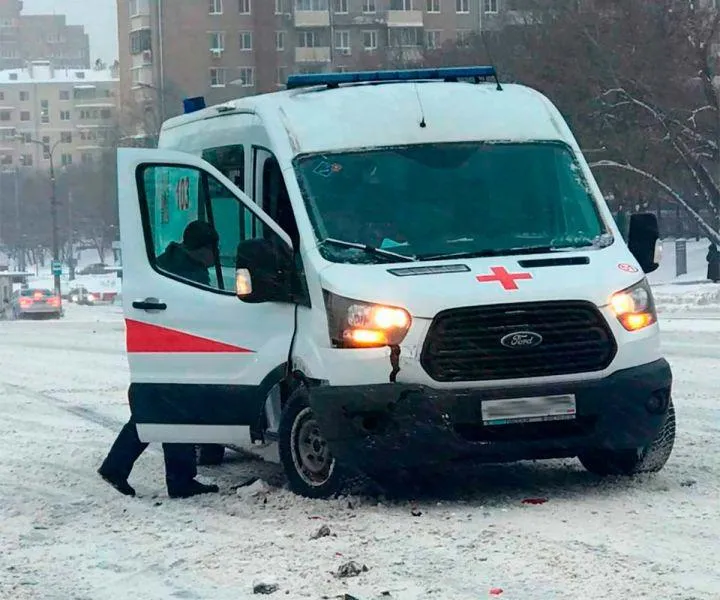
Photo: Elizaveta Konovalova
How ambulance drivers are attacked
“There are many examples of attacks. Most drivers regularly face this problem: we come to the call, now we are hospitalized, and some relatives or neighbors are in poor condition. And instead of helping with transportation, they do not let the ambulances move, they start turning the car with their hands and feet – some on the mirror, some on the glass. To not get carried away.”
“Recently, the driver came to the call. He turned off the buzzer and the light came on. We just need to leave it. The team approached the patient, and the driver was sitting in the car. And then my grandmother went out onto the balcony and saw the car. He grabbed the cast iron and threw it on the roof. He said that there is nothing to beat and shine. And there is nothing to take from her.
Why ambulances block yards
“There are people who come up to the ‘ambulance’ in the yard and say, ‘Put the car away, this is my place, I need to park, why did you stay here? “Resuscitation” is written on the sides, but they don't even read them. I tell them, they say, there are no sandwiches here. I get up and wait for the patient to be picked up because seconds count. Motorists don't look at it.”
“We don’t have the right to get in and out of the car. Also, if the big one cannot pass, but is lighter than 100 kg, the doctor must transfer the patient somehow. Only if it is heavier than 100 kg, they call the Ministry of Emergency Situations. Therefore, doctors have to run from apartment to apartment, seek help from residents. And we stand on our feet, guarding the car.”
“They give us 20 minutes to get there, which is fine. But there is a huge problem in the yards, especially with the new ghetto buildings. Houses are being built, but there are no entrances. We come to the ship's wheelhouse, the entrance is in the middle. And that's it, you have to get through. Or doctors are walking, and we are waiting.
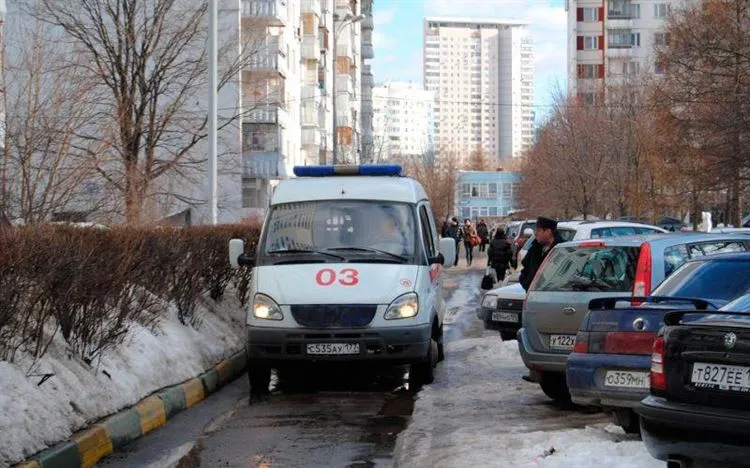
Photo: RBC
“Earlier, in the yards, “distant” were constantly buzzing and annoyingly blinking. But now they often take on a backup and rest. A lot depends on the person and upbringing. If possible, I'll go out of the conflict. But I can also look at the sick.”
What do you like about working in an ambulance?
“I have been in an ambulance since 1994. I like the program: I worked one day, two days off. You can go to the cottage to rest. It happens that the schedule changes and you can do your own thing. This is especially convenient on weekdays. But unofficially, you can work a day. This makes it more convenient for doctors, we adapt to them.”
“It's hard work, but I love it. I love driving with special signals, especially because I have a new Ford Transit.”
“We go out for the day, we work from morning to morning. Sometimes you don't get out of the car. Most calls take place in the evening – from 19:00 to the night – this is called “forwarding”. But due to the coronavirus, work has increased, we constantly travel from morning to morning. And so the problems are different: an accident, someone is hanging on the balcony from the 16th floor. But the most annoying thing is when they call a car, we come, and they are just drunk. And we didn't have time to see anyone.”
“We have a salary like that of ordinary state employees – 40-45 thousand conditional units. There are no preferential sanatoriums, everything is simpler. But the sick leave is paid, study leave for part-time students is paid, holidays are 28 days – in general, a normal social package. Even if the workload has grown over the past two years.”
Photo: Konstantin Kokoshkin / Global Look Press
