
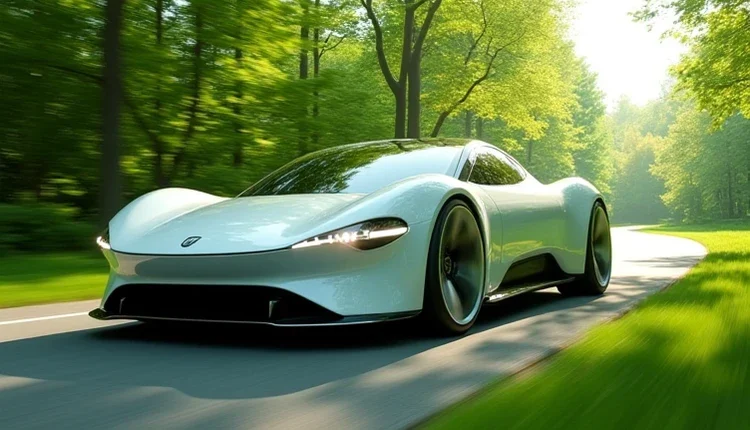
Eco-friendly cars: standards and requirements 🌿🚗
Environmentally friendly vehicles are one of the key trends of our time. But what exactly is meant by “green cars”? These are not only electric cars, but also biofuel cars, hybrids and even traditional cars with advanced engines that reduce CO2 emissions. Standards and requirements developed at the EU level and other regions play an important role in promoting environmentally friendly transport.
Choose accessories for your green car here.
EU Emission Standards 🇪🇺🔍
EU standards such as Euro 6 for passenger cars and commercial vehicles set maximum permissible levels of harmful emissions. For example, Euro 6 reduces the maximum permissible level of nitrogen oxide emissions for diesel engines from 180 mg/km (Euro 5) to 80 mg/km.
Innovations in engines and fuel systems 💡🛠️
Manufacturers are working on creating new generation engines that will not only be more economical, but also capable of using alternative fuels. Hybrid technologies are also being developed at full speed. They can significantly reduce CO2 emissions and other harmful substances.
Promoting the use of eco-friendly cars 🌱💰
Many governments offer tax breaks, subsidies and other incentives for buying green cars. For example, Germany and other EU countries have incentive programs for buying electric and hybrid cars.
Environmental legislation and regulations 📜🌍
The legislation in the field of car ecology is constantly being updated and tightened. This concerns not only new cars, but also the secondary market. Cars that do not meet modern environmental standards may face restrictions, for example, entry into ecological zones in cities.
Innovative technologies in the automotive industry 🚀🧠
The automotive technology industry is constantly evolving, offering new and new solutions. The emphasis is on improving the efficiency, safety and environmental friendliness of vehicles. Key areas include:
- Developing larger batteries for electric vehicles: This will allow for longer driving ranges without recharging, making electric vehicles more attractive to consumers.
- Integration of autonomous technologies: Self-driving cars have the potential to radically change the way we drive, improving road safety.
- Use of Artificial Intelligence: AI can help manage traffic flow, reduce fuel consumption and prevent accidents.

The role of governments and international organizations 🌐⚖️
Governments and international organisations play a key role in shaping the future of the automotive industry. They can influence the market through legislation, safety standards, taxes and subsidies. For example, the European Union is actively implementing CO2 emission standards, which encourages car manufacturers to invest in the development of environmentally friendly technologies.
The Future of Automotive: What's in Store for Us? 🚗🔮
In the near future, we can expect the growing popularity of electric and hybrid vehicles, the improvement of autonomous driving systems, and an increase in the share of renewable energy sources in transport. This will not only reduce environmental pollution, but also increase driving comfort and safety.
Technologies that will change the world 🌍💡
Integrating smart technologies into cars 📱🚗
Smart technologies are becoming an integral part of modern cars. They include:
- Driver assistance systems: This includes automatic braking, lane departure warning systems and adaptive cruise control.
- Integration with mobile devices: Ability to control your car via your smartphone – from remote engine start to monitoring the car’s condition.
Development of energy supply systems 🌿🔋
Energy innovations aim to reduce harmful emissions and improve fuel efficiency:
- Hydrogen fuel cells: They promise a cleaner alternative to traditional combustion engines.
- Improved lithium-ion batteries: These can increase the driving range of electric vehicles and reduce charging times.

Strengthening environmental safety measures 🌱🚘
Growing attention to the environment requires car manufacturers to meet strict environmental standards:
- Reducing CO2 emissions: Development of technologies aimed at reducing the carbon footprint of cars.
- Car Recycling and Disposal: Eco-friendly methods for recycling and disposing of used cars.
Automation and unmanned technologies 🤖🚗
Automation and unmanned technologies are one of the most discussed areas:
- Self-driving cars: The development of autonomous driving technologies that will allow cars to navigate the roads completely independently.
- Improving sensors and algorithms: Improving the accuracy of sensors and algorithms to ensure the safety and reliability of self-driving cars.
Sustainability and recycling of materials 🌍♻️
Sustainability and recycling are becoming key factors in car production:
- Use of recycled materials: Use of recycled and biodegradable materials in vehicle interiors and exteriors.
- Green manufacturing processes: Minimizing environmental impacts at all stages of vehicle production.
Table: Comparison of 2023 and 2024 vehicle technologies

Conclusions: The Future of Automotive Industry 🌟🚀
The automotive industry is on the threshold of global changes. Focus on ecology, safety and integration with modern technologies determines the development path of the industry. Adaptation to these changes and implementation of innovations will not only increase the level of driving comfort and safety, but also make the automotive industry more sustainable and environmentally friendly.
| Criterion | 2023 year | 2024 year |
|---|---|---|
| Unmanned technologies | At the initial stage of development | Advanced testing and implementation |
| Eco-friendliness | Euro 6 standards | Moving to stricter standards |
| Battery technologies | Traditional lithium-ion batteries | Advanced lithium-ion and hydrogen batteries |
| Integration of smart technologies | Limited integration | Deep integration with IoT and AI |
