
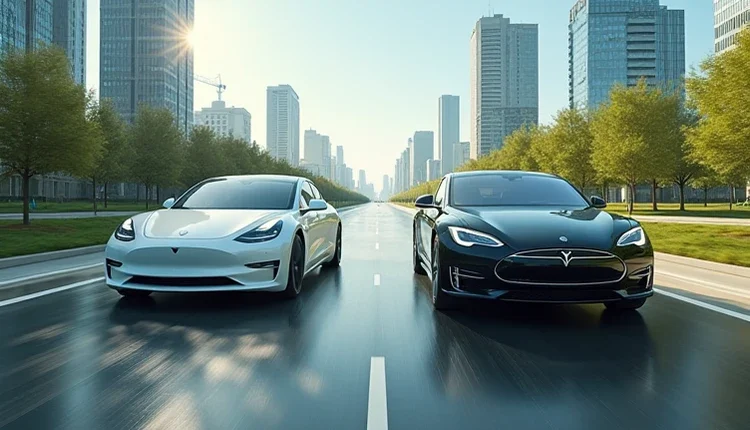
🌱 Electric cars vs. hybrids: the fight for ecology 🌿
In the era of active fight against global warming and the desire for an environmentally friendly future, the question of choosing between electric cars and hybrids is becoming increasingly relevant. Every year, interest in means of transportation that would not only provide comfort and safety, but also contribute to the preservation of the environment, increases. In this article, we will consider the key aspects of each of these options to help you make an informed choice.
🚗 Electric Vehicles: Clean Energy and Innovation
Electric cars offer a revolutionary solution to the problem of carbon dioxide emissions, being a completely eco-friendly means of transport. They run solely on electricity, eliminating the need for petrol or diesel fuel.
Advantages:
- Zero Emissions: Electric vehicles produce no CO2 emissions, making them an ideal choice to combat global warming.
- Fuel savings: No need to buy petrol or diesel.
- Low Maintenance Costs: Electric vehicles have fewer moving parts compared to traditional cars, which reduces maintenance costs.
Flaws:
- Limited range: Electric vehicles typically have a shorter range on a single charge than petrol or diesel vehicles.
- Charging station infrastructure: In some areas there may be a shortage of charging stations.
🚘 Hybrids: Combination of Tradition and Innovation
Hybrid vehicles combine both a traditional internal combustion engine and an electric motor, allowing the use of both gasoline and electricity.
Advantages:
- Versatility: Hybrids can automatically switch between electric and gasoline mode, increasing overall range and reducing the need to stop at the gas station.
- Fuel Economy: By using an electric motor, hybrid cars use less fuel and produce fewer emissions than conventional cars.
- Regenerative Braking: This technology allows energy to be recovered during braking, increasing energy efficiency.
Flaws:
- High Cost: Hybrids are generally more expensive than traditional cars due to the complexity of their design.
- Maintenance: Having two types of engines can make maintenance more complicated and expensive.
🌍 Environmental Impact: Which Choice is Better?
When choosing between an electric car and a hybrid, it is important to consider their impact on the environment. Electric cars are the leaders in terms of environmental friendliness, as they produce no emissions at all. Hybrids, although more environmentally friendly than regular cars, still produce some emissions when using a gasoline engine.
Ecological Footprint:
- Electric vehicles: Their environmental footprint is minimal, especially if the electricity for charging comes from renewable energy sources.
- Hybrids: While they reduce emissions, they still rely on fossil fuels and therefore have a greater environmental impact than electric vehicles.
📊 Comparative Cost Analysis
Let's look at the cost of owning an electric vehicle and a hybrid, taking into account the initial purchase price, fuel costs, maintenance costs, and resale costs.
Starting Price:
- Electric cars: Initially more expensive, but costs gradually come down due to increased production and improved technology.
- Hybrids: Typically cheaper than electric cars, but more expensive than traditional cars.
Operating costs:
- Electric vehicles: Low electricity and maintenance costs.
- Hybrids: Require fuel and are more expensive to maintain than electric vehicles due to having two motors.
Resale Value:
- Electric vehicles and hybrids: These are becoming increasingly popular in the used market, but resale value depends on a variety of factors, including the brand, model, and battery condition of EVs.
🌐 The Future of Transport: Where Are We Heading?
Industry forecasts and market trends indicate that electric vehicles and hybrids will play an increasingly important role in the automotive industry. As technology improves and charging infrastructure expands, electric vehicles may become more accessible and practical for a wider audience. Hybrids, in turn, will continue to serve as an intermediate option for those who are not ready to switch completely to electric vehicles.
The Future of Electric Vehicles:
- Innovation: Ongoing research into batteries and electric motors.
- Infrastructure: Increase in the number of charging stations and improved accessibility.
The Future of Hybrids:
- Technological Improvement: Improved efficiency and performance of hybrid technologies.
- Transition Period: Remains an important element on the path to fully electric transport.
🌿 Environmental Responsibility and Public Perception
Public awareness of the importance of environmental sustainability and the fight against global warming is growing. This affects the choice between electric cars and hybrids. Electric cars are often seen as a “greener” choice, increasing their appeal to environmentally conscious consumers.
Impact on Public Opinion:
- Electric cars: Becoming a symbol of environmental responsibility.
- Hybrids: Seen as a step towards a greener future, but not as radical as electric vehicles.
Regulatory Changes:
Governments around the world are introducing laws and regulations that encourage the use of electric and hybrid vehicles. This includes tax breaks, subsidies and restrictions on fossil fuel vehicles.
🌐 Contribution to the Fight Against Global Warming
The choice between an electric car and a hybrid has a direct impact on efforts to combat global warming. Electric cars, powered by renewable energy, can significantly reduce the overall carbon footprint, while hybrids, although better than traditional cars, still have a certain carbon footprint.
Reducing Carbon Emissions:
- Electric vehicles: Zero emissions in use.
- Hybrids: Reduced but not zero emissions.
💡 Conclusion
The choice between an electric car and a hybrid is not just a choice between two types of vehicles. It is a choice between different philosophies and approaches to ecology, technology and the future of the automobile industry. Electric cars offer a more radical approach to reducing emissions and combating global warming, while hybrids represent a more moderate but still effective step in this direction.
